 Anacortes Siding
 Building Decks for Edison and the Surrounding Skagit County Area
Edison sits in one of the wetter, saltier corners of Skagit County. It's close enough to the tidal flats and bay waters around Samish and Padilla Bay that airborne salt is a real factor in how outdoor structures age, and it's surrounded by enough farmland, tree cover, and low-lying ground that moisture management is a bigger deal here than it is a few miles inland. A deck built for this area needs to be built differently than a deck built for a dry suburban lot, and that's the whole point of this page: what a deck actually needs to hold up in Edison's conditions, what correct construction looks like, and why it matters to hire a crew that already understands this specific stretch of Skagit County.
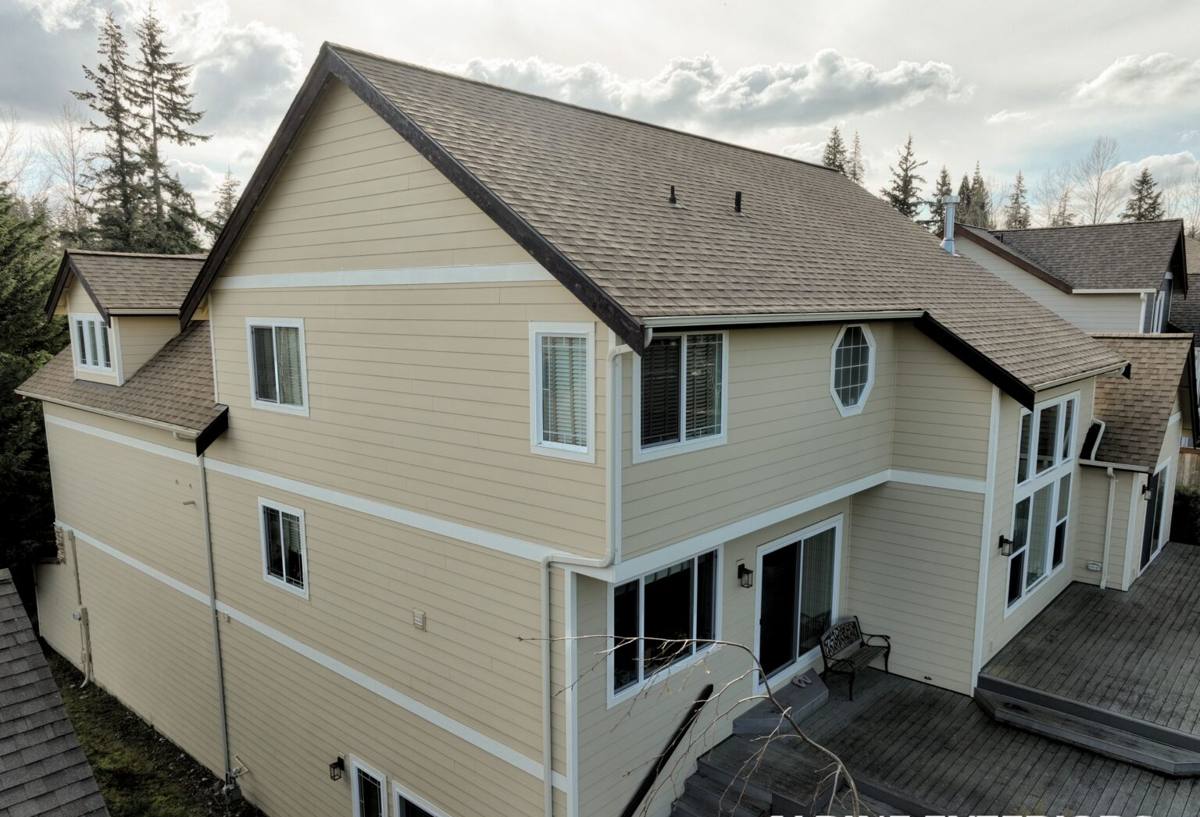
What Salt Air, Rain, and Moss Actually Do to a Deck
Salt Air and Metal Corrosion
Even a few miles from open saltwater, airborne salt settles on exposed metal and slowly accelerates corrosion. On a deck, that means fasteners, joist hangers, post bases, and railing hardware are the parts most at risk. Cheap or mismatched hardware can start rusting and staining the wood around it within a few seasons in this kind of environment, long before the structure itself would otherwise show wear. The fix isn't complicated, but it does require using the right-rated hardware from the start rather than swapping it in as a repair later.
Driving Rain and Water Management
Skagit County gets a lot of sideways, wind-driven rain off the water, not just straight-down rain. That matters for a deck because water gets pushed into places a calm rain never would — under ledger boards, into fastener holes, behind railing posts, into the gap where decking meets the house. A deck that isn't flashed and sloped correctly for that kind of weather will trap water in exactly those spots, which is where rot starts.
Moss and Algae Growth
Between tree cover, farmland humidity, and a long damp season, Edison sees moss and algae growth on outdoor surfaces for a good chunk of the year. On a deck, that's not just a cosmetic problem — moss holds moisture against the wood surface and makes boards slicker and more slippery underfoot, which becomes a real safety issue on stairs and near railings. Material choice, board spacing, and how much shade a deck sits in all affect how bad this gets.
Decking Material Options for This Climate
There's no single "best" decking material for every yard in Edison — it depends on sun exposure, tree cover, budget, and how much maintenance a homeowner actually wants to do. Here's how the common options compare for this specific climate:
| Material | Moisture & Rot Behavior | Moss/Algae Resistance | Maintenance |
|---|---|---|---|
| Pressure-treated wood | Good if properly sealed and re-sealed on schedule | Needs regular cleaning; grain holds moss | Annual cleaning, periodic sealing |
| Cedar | Naturally decay-resistant but still needs sealing near salt air | Moderate; smoother grain than treated pine | Sealing every 1-2 years to hold color and protection |
| Composite decking | Does not rot; some boards can absorb moisture at cut ends if not capped | Best resistance, especially capped composite | Occasional washing, no sealing |
| PVC decking | Fully moisture-proof | Very good; smooth non-porous surface | Lowest; wash as needed |
In a shaded, damp yard, we lean toward composite or PVC for homeowners who don't want to fight moss every spring. In a sunnier spot with good airflow, a well-sealed cedar or treated wood deck can perform fine and costs less up front — it just needs the maintenance to keep up with it. We'll walk your specific site with you and give an honest read on which category fits, rather than pushing one product line regardless of the yard.
What a Correctly Built Deck Actually Involves
A deck that lasts in this climate is decided mostly by what's underneath and behind the decking boards — the parts nobody sees once it's finished. The visible boards matter, but a beautiful deck surface on a poorly built frame will fail from the inside out.
- Footings sized for local soil: Skagit County has areas with soft, high-moisture soil. Footings need to be sized and set to local frost depth and bearing requirements, not guessed at.
- Ledger board flashing: Where the deck attaches to the house is the single most common rot point on any deck. Proper flashing — not just caulk — keeps water from working behind the ledger.
- Corrosion-rated fasteners and hardware: Given the salt air exposure in this area, hardware should be rated for coastal/treated-wood contact, not standard interior-grade fasteners.
- Joist protection: Taping or sealing the tops of joists before decking goes down keeps water from soaking into end grain and screw holes, which is where rot typically starts first.
- Correct slope and drainage: Decking should shed water away from the house, and any covered or low-clearance area beneath the deck needs a real drainage plan, not just gravel.
- Board spacing for airflow: Proper gaps between boards let air move and water drain, which slows moss growth compared to boards installed too tight.
- Guardrails and stair framing to code: Height, baluster spacing, and stair rise/run all have code minimums that protect your family and matter at resale.
Permits and Code in Skagit County
Depending on exactly where your property sits — inside Anacortes city limits or in unincorporated Skagit County — a new deck or a significant rebuild will typically need a building permit, and decks attached to a house or elevated more than a couple feet off grade almost always do. Permit requirements also touch on setbacks from property lines, and if your property is near shoreline or wetland areas common around Edison and the Samish/Padilla Bay flats, there can be additional environmental review involved. We handle the permit process as part of the job rather than leaving it to the homeowner to sort out, and we won't cut corners on this even if a smaller job "probably wouldn't get noticed" — an unpermitted deck can become a real problem at resale.
Our Process From Estimate to Finished Deck
The process is straightforward, and we keep it that way on purpose:
- On-site estimate: We walk the actual site with you — sun exposure, tree cover, soil, drainage, and how the deck connects to the house — and talk through material options honestly, including trade-offs.
- Design and permit: We finalize layout, size, and material, then pull the necessary permit before any work starts.
- Site prep and footings: Footings are dug and set to code for your soil conditions, not a generic template.
- Framing and flashing: Ledger flashing, joist layout, and hardware selection happen here — this is the stage that determines how the deck ages.
- Decking, railing, and stairs: Final surface materials go down with proper spacing and fastening for the material chosen.
- Final walkthrough: We go over the finished deck with you, including what maintenance it does and doesn't need going forward.
Deck Maintenance in Edison's Climate
Even a well-built deck needs some seasonal attention here, and what it needs depends heavily on the material chosen:
- Sweep debris and standing leaves off the deck surface regularly, especially under tree cover, so moisture doesn't sit against the boards.
- Rinse or lightly scrub moss and algae buildup before it gets established, particularly on shaded sections and stair treads.
- Check and re-seal wood decking on the schedule appropriate to the product — skipping a sealing cycle in this climate shows up fast.
- Inspect ledger flashing and fastener heads once a year for early rust staining or gaps in caulking.
- Keep gutters and downspouts near the deck clear so roof runoff isn't dumping extra water onto or under the structure.
Why Hiring a Crew That Already Works in Edison Matters
A lot of deck problems in this part of Skagit County trace back to construction that was done to a generic standard rather than to what this specific climate demands — wrong hardware grade, missed ledger flashing, decking material chosen without accounting for shade and moss, or drainage that wasn't thought through for wetter, low-lying ground. A crew that regularly works in and around Edison has already seen how salt air, driving rain, and moss behave on real decks in this area, and builds around those conditions from the start instead of learning it the hard way on your project. That's the difference between a deck that needs real work again in five years and one that just needs normal upkeep for the next twenty.
If you're considering a new deck or need to replace one that's showing its age, we're happy to walk the site with you and give you a straight read on what it needs — no pressure, no upsell. Use the form below to request a free estimate.