 Anacortes Siding
 What Cemplank Is — and What It Gets Right
Cemplank is a fiber cement lap and panel siding sold mostly through lumberyards and building supply chains rather than through a dedicated network of factory-trained installers. Like any true fiber cement product, it's made from cement, sand, and cellulose fibers, which puts it in the same broad material family as the siding we do install. It's non-combustible, it doesn't attract woodpeckers or carpenter ants the way wood siding can, and it holds paint better than vinyl over the long run. We're not here to tell homeowners that fiber cement as a category is a bad idea — the opposite, actually. Our objection isn't to the chemistry of the board. It's to the whole system around it: how it's engineered for climate, how it's finished, how warranty claims get handled years down the road, and how forgiving the material is of small installation mistakes.
Fiber Cement Is Not One Product
Homeowners researching siding often assume "fiber cement" means one interchangeable product with different price tags attached. It doesn't. Board thickness, moisture-cured versus autoclave-cured manufacturing, edge treatment, and factory finish quality all vary between fiber cement brands, and those differences show up ten and twenty years later — not on day one when everything looks the same on the truck.
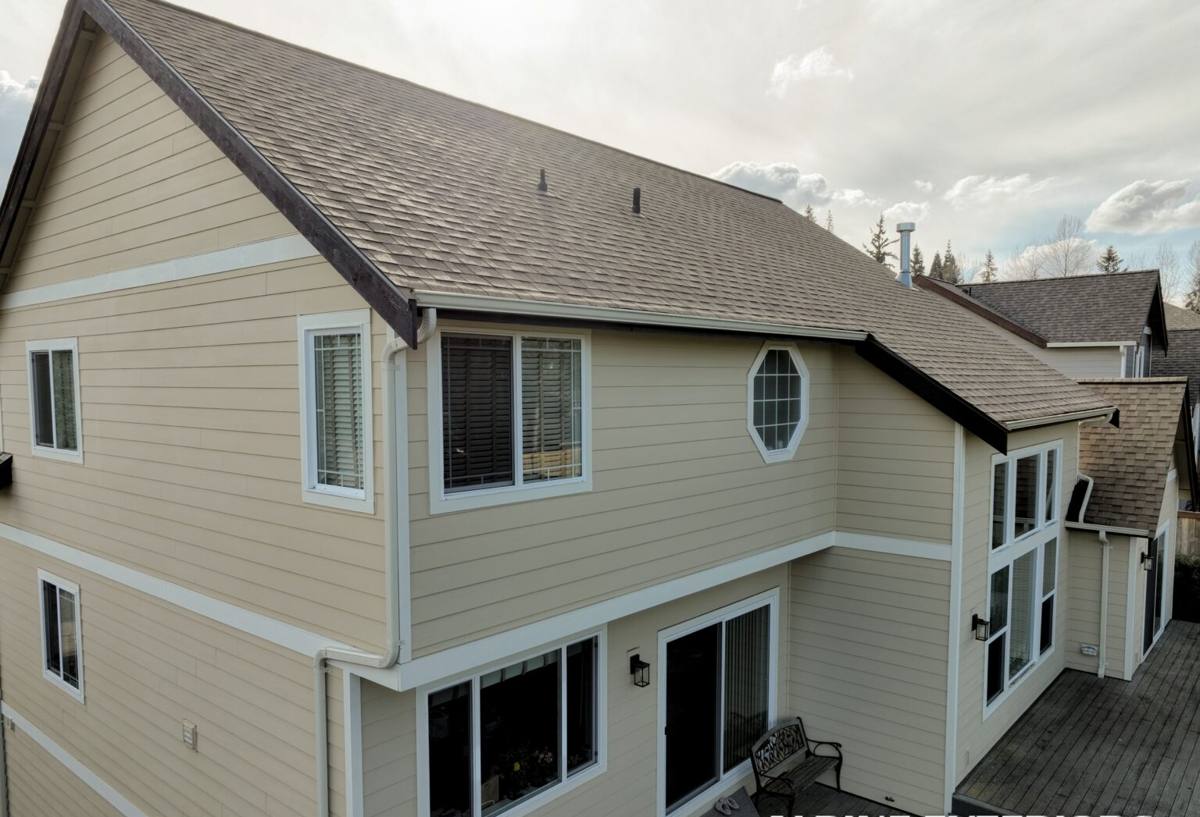
Why We Standardized on One Fiber Cement Brand
Every crew we run installs the same product, with the same fastening schedule, the same flashing details, and the same finish system, every time. That consistency is what lets us stand behind our work without hedging. When a contractor installs three or four different siding brands depending on what a supplier has in stock that week, the crew's muscle memory gets diluted, warranty paperwork gets more complicated, and — most importantly for a homeowner — nobody at the company can speak with real authority about how that specific product behaves in year twelve. We chose to specialize instead of diversify. James Hardie is the brand we know cold, in every color and profile we offer, which is why it's the only fiber cement siding on our trucks.
The Real Trade-offs We Weigh With Cemplank
Distribution and Warranty Support
Cemplank is typically distributed through building supply chains rather than backed by a national network of manufacturer-trained installers and dedicated regional support staff. That matters less on installation day and more five or ten years later, when a warranty claim needs documentation, a color match, or a manufacturer rep who can inspect a specific failure. A siding warranty is only as good as the infrastructure standing behind it when something goes wrong.
Factory Finish Consistency
Factory-applied finishes on fiber cement vary in how well they resist fading, mildew staining, and moisture intrusion at the coating level — not just the board level. A finish that isn't engineered as tightly for coastal, high-moisture climates is more likely to show chalking, streaking, or uneven weathering within the first repaint cycle, which in Western Washington can be well under a decade if the coating isn't holding up.
Climate-Engineered Product Lines
Some fiber cement manufacturers offer siding engineered specifically for different exposure zones — freeze-thaw regions, high-humidity regions, and coastal moisture regions each get a different formulation. A one-size-fits-all fiber cement product asks a single board recipe to perform in Arizona and Anacortes equally well. We'd rather install a product line that was engineered for our specific exposure zone than one that was engineered for the national average.
Anacortes' Climate Puts Extra Stress on Siding Choices
Anacortes sits on Fidalgo Island, surrounded by saltwater on three sides, which means homes here deal with salt-laden air working its way into fastener heads, cut edges, and finish coatings in a way that inland Skagit County homes don't experience nearly as much. Add driving rain off Rosario Strait and the Salish Sea, plus a long moss season that keeps north-facing walls and shaded elevations damp for months at a time, and you have a climate that punishes any weak point in a siding system — the caulk joint that wasn't detailed right, the cut edge that wasn't sealed, the finish that wasn't rated for constant moisture cycling. This is exactly the environment where the difference between a commodity fiber cement product and a climate-engineered one stops being theoretical.
Installation Sensitivity Is the Hidden Variable
Fiber cement siding, as a category, is less forgiving than vinyl of installation shortcuts — improper fastener placement, missed flashing details, or gaps left at butt joints can all lead to moisture problems that don't show up until the siding has been on the wall for years. That sensitivity doesn't change based on brand. What changes is how much manufacturer-backed installation guidance, training, and field support a contractor has access to when questions come up on a job. The table below summarizes the factors we weigh, without making unverifiable claims about any specific competitor's failure rate.
| Factor | Commodity Fiber Cement (Cemplank-type) | James Hardie |
|---|---|---|
| Primary distribution | Building supply / lumberyard channels | Dedicated dealer and contractor network |
| Climate-specific engineering | Generally one national formulation | HZ zone system engineered by climate exposure |
| Factory finish | Varies by supplier and run | ColorPlus baked-on finish with a dedicated finish warranty |
| Installer training pathway | Informal / lumberyard-level | Manufacturer-backed contractor programs |
| Warranty transferability | Varies, often limited | Non-prorated, transferable warranty terms |
Warranty Structure Matters More Than the Sticker Price
A lower upfront material cost only pencils out if the siding performs for its full expected lifespan without a homeowner absorbing repaint costs, caulk maintenance, or plank replacement earlier than planned. When we compare warranty language across fiber cement brands, we're looking at what's actually covered — finish fading, cracking, moisture damage — and for how long, and whether that warranty follows the house if it's sold. A shorter or more limited warranty structure shifts risk onto the homeowner in exchange for a lower price today. That's a legitimate trade-off some homeowners are willing to make; it's just not the trade-off we're willing to install and then stand behind as our own work.
What We Install Instead: James Hardie
We install James Hardie exclusively because it lets us commit fully to one system: HZ5-rated product engineered for our Pacific Northwest exposure zone, a factory-applied ColorPlus finish designed to resist fading and moisture damage without needing repainting on the same cycle as field-painted siding, and a warranty structure that's transferable if the home is sold. Just as important, it means every crew member on every job has installed this exact product dozens of times, knows its fastening schedule cold, and isn't guessing at flashing details because the brand changed since the last job.
Cost Factors Homeowners Should Actually Compare
When you're pricing siding bids that use different fiber cement brands, don't just compare the bottom-line number. Ask about these factors directly:
- What is the manufacturer's warranty term, and is it prorated or non-prorated?
- Is the finish factory-applied, and what's the finish warranty separate from the board warranty?
- Is the product engineered for a specific climate zone, or is it a single national formulation?
- How many years has the installing crew worked with this specific brand and product line?
- What's the expected repaint or refinish cycle, and what does that cost over 20 years?
- Is the warranty transferable to a future homeowner if you sell the house?
A siding bid that looks like a bargain on day one can cost more over two decades once repainting, caulk maintenance, and earlier replacement are factored in. That's the math we walk homeowners through before they commit to any siding product, not just the one we sell.
Our Bottom Line
We're not making a claim that Cemplank fiber cement siding fails on Anacortes homes — we don't have verified data on that, and we wouldn't make that claim if we did. What we can say honestly is that we chose to specialize in one fiber cement system, engineered for our specific coastal climate, backed by a warranty structure and installer support network we trust enough to put our name behind. Given the salt air, driving rain, and moss season that define siding performance here in Skagit County, we'd rather install fewer products extremely well than more products adequately.
If you're weighing siding options for a home in Anacortes or anywhere else on Fidalgo Island, we're happy to walk through your specific house, your exposure, and what a properly installed James Hardie system would look like on it. Reach out for a free, no-pressure estimate — no obligation, just an honest look at what your home needs.