 Anacortes Siding
 Exterior Work Built for La Conner's Waterfront Climate
La Conner sits close enough to Skagit Bay and the Swinomish Channel that its weather behaves differently than towns just a few miles inland. Homes here deal with salt-laden air off the water, wind-driven rain that comes in sideways during winter storms, and long stretches of shade and dampness that keep moss and algae established on roofs and siding for much of the year. We work throughout the Anacortes and Skagit County area, and La Conner is one of the places where the difference between a siding job done right and one done to minimum code really shows up within a few years, not a few decades.
This page covers what La Conner homes tend to face from the climate, how we approach siding, roofing, windows, and decks for properties in this area, and why the material choice and installation quality matter more here than in a drier, more sheltered part of the county.
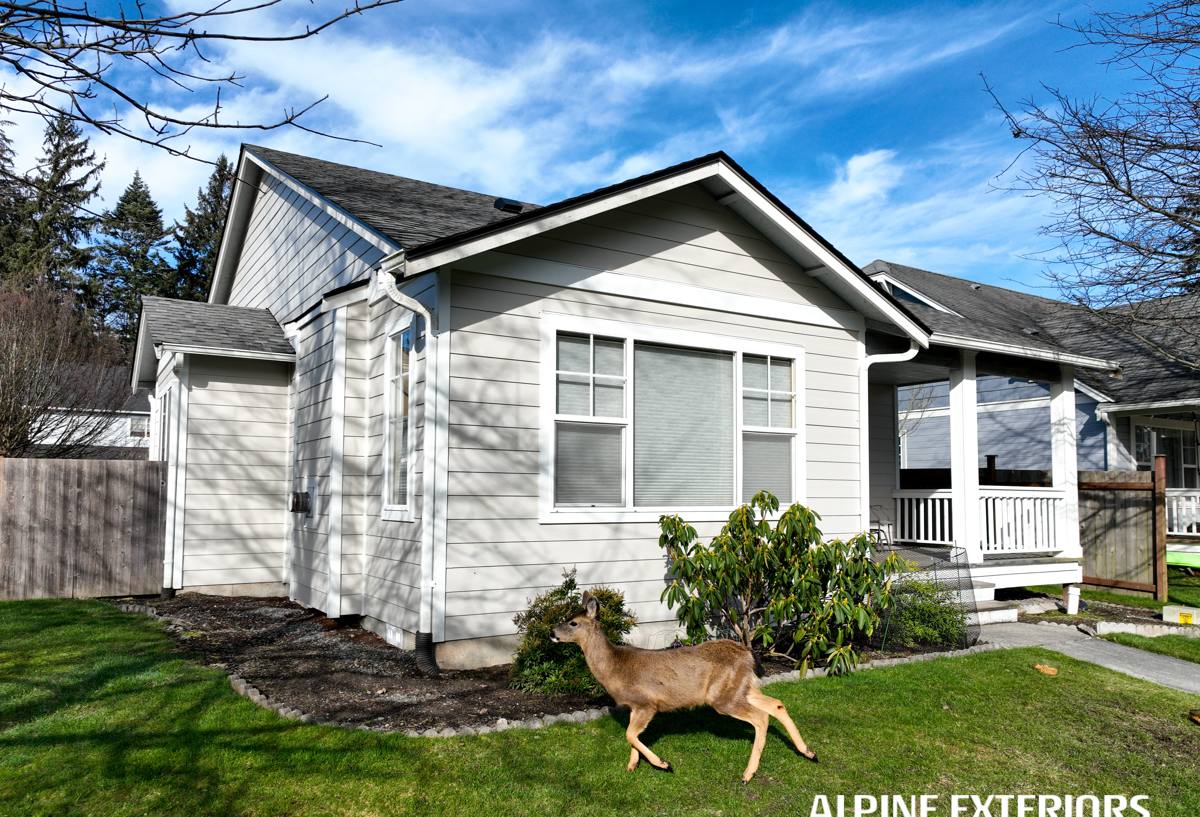
What the Climate Actually Does to a House Here
Salt Air and Metal Fatigue
Proximity to saltwater accelerates corrosion on anything metal — fasteners, flashing, gutter hangers, light fixtures, and the metal components hidden behind siding and trim. Cheaper or improperly coated fasteners can start rusting and staining a facade well before the siding itself would otherwise need attention. This is one of the reasons fastener selection and flashing details matter as much as the siding material — a beautiful product installed with the wrong hardware will still show rust streaks and eventually let water in around every fastener head.
Wind-Driven Rain
Storms coming off the water don't just fall straight down — they push rain horizontally into wall assemblies, especially on west and south-facing elevations with less tree cover. That means house wrap, flashing at windows and doors, and properly lapped siding joints aren't optional extras; they're what actually keeps water out of the wall cavity. A siding product that handles moisture well on the surface but is sensitive to installation mistakes underneath is a poor match for this kind of exposure.
Moss, Algae, and Shade
Between marine humidity and the shade many La Conner lots get from mature trees, moss and algae growth on siding and roofing is a near-constant maintenance issue. Materials that hold moisture at the surface, or that have seams and textures where organic growth can get a foothold, need more frequent cleaning and repainting to keep ahead of it. A dense, factory-finished material sheds this kind of growth more easily than a porous or absorbent one.
Why We Install Only James Hardie Fiber Cement Siding
We made a decision as a company to install James Hardie fiber cement exclusively, and we don't install vinyl, LP SmartSide, Cemplank, Allura, primed spruce, or cedar. That's not a marketing line — it's a standard we hold to because of what we've seen these products do, and not do, in exactly the kind of coastal, wet, shaded conditions La Conner gets every winter.
Fiber cement is non-combustible and dimensionally stable, meaning it doesn't expand and contract with moisture the way wood-based products can, and it doesn't soften or delaminate at cut edges and joints the way some engineered wood siding can when water gets past a seam. James Hardie's ColorPlus factory finish is baked on under controlled conditions, which gives it more consistent, longer-lasting color than field-applied paint — a real advantage in an area where you're repainting siding more often than homeowners inland due to salt exposure and moss cleaning cycles. Hardie also engineers specific product lines (their "HZ5" designation, for example) for regions with more moisture and freeze-thaw cycling, which fits the Skagit County coastline better than a one-size-fits-all product.
None of this means other siding products are junk — vinyl is inexpensive and low-maintenance in mild climates, engineered wood siding can look good and install quickly, and cedar has real aesthetic appeal. But each comes with trade-offs — moisture sensitivity at cut edges, seam and caulk maintenance, repainting cycles, or installation tolerances that are unforgiving — that we don't think hold up as well against decades of salt air and wind-driven rain. We'd rather install one product very well than offer several and hope the installation covers for a material's weak points.
Comparing Siding Materials for a Coastal Skagit County Home
| Factor | James Hardie Fiber Cement | Vinyl | Engineered Wood / Cedar |
|---|---|---|---|
| Moisture behavior | Dimensionally stable, resists swelling | Doesn't absorb water, but can warp and gap | Absorbs moisture at cuts and joints if not sealed |
| Finish longevity | Factory-baked ColorPlus finish | Color molded in, can fade and chalk | Field-applied paint or stain, shorter repaint cycle |
| Fire resistance | Non-combustible | Combustible, can melt/deform | Combustible |
| Maintenance in shade/moss areas | Sheds growth well, occasional wash | Low maintenance, but growth can streak surface | Needs regular cleaning and repainting/resealing |
| Typical warranty structure | Long-term, transferable manufacturer warranty | Varies widely by product tier | Shorter, often limited to material defects only |
Roofing, Windows, and Decks for La Conner Properties
Siding is only part of a home's defense against this climate, and we handle the full exterior envelope — roofing, windows, and decks — because they all interact with the same moisture and salt exposure issues.
Roofing
Moss and algae growth on roofing is one of the most common calls we get from homes in shaded, coastal areas like La Conner. Roof material, ventilation, and how well valleys and penetrations are flashed determine how fast that growth returns after a cleaning and how much water actually stays out during a wind-driven storm.
Windows
Window flashing and sealant details take a beating from horizontal rain here. When we replace siding, we check window flashing integration as part of the job, because a new siding job installed around poorly flashed windows just moves the leak point rather than fixing it. Replacement windows also make a real difference in comfort and energy use in older La Conner homes with original single-pane units.
Decks
Outdoor living structures near the water deal with the same salt and moisture exposure as the siding, plus foot traffic and UV. Fastener choice, ledger flashing, and material selection matter for longevity here just as much as they do on a wall.
Our Process for a La Conner Siding Project
- On-site assessment — we look at existing siding condition, moisture damage, flashing details, and any moss or algae staining patterns that point to trouble spots.
- Scope and product selection — we walk through Hardie product lines, colors, and profiles that fit the home and the site's sun/shade exposure.
- Prep and moisture management — house wrap, flashing, and any needed sheathing repair happen before a single piece of siding goes up.
- Installation to manufacturer spec — correct fastener spacing, clearances, and caulking are what make fiber cement perform for decades rather than years.
- Final walkthrough — we go over warranty registration and basic maintenance expectations for a coastal property.
What to Check Before Hiring an Exterior Contractor Here
La Conner and the surrounding Skagit County waterfront isn't a forgiving place for shortcuts. A few things worth confirming with any contractor you're considering:
- Are they licensed and insured to work in Washington State, and can they show proof without hesitation?
- Do they have experience specifically with coastal or waterfront properties, not just general regional work?
- Will they explain flashing and moisture-management details, not just the siding product itself?
- Do they install to the manufacturer's written specifications (fastener type, spacing, clearances)?
- Is the warranty they offer backed by the manufacturer, and is it transferable if you sell the home?
- Will they give you a written, itemized estimate rather than a vague lump-sum number?
A Local Crew Matters More Here Than People Expect
A crew that works the Anacortes and Skagit County area regularly has already seen how a given elevation, exposure, or shade pattern in this region behaves over a few winters. That's different from a contractor who mostly works drier, inland conditions and treats a La Conner job the same as anywhere else. We're not going to pretend every product performs the same everywhere — the salt air, the driving rain, and the moss season here are real factors in what we recommend and how we install it.
If you're planning a siding, roofing, window, or deck project on a La Conner property, we're happy to take a look and walk you through what we're seeing and what we'd recommend — no pressure, no obligation. Use the form below to request a free estimate.