 Anacortes Siding
 Roofing in La Conner Has a Different Set of Problems
La Conner sits low, close to the water, and squarely in the path of the marine weather that moves through Skagit County most of the year. A roof here doesn't fail the same way a roof does forty miles inland. Salt-laden air moves off the water and settles into fasteners, flashing, and metal edges. Rain doesn't just fall straight down — it drives sideways under wind, finding gaps that a calmer climate would never expose. And the shade, humidity, and long wet stretches that define this part of Washington keep moss and moisture-loving growth active on roofs for most of the year, not just a few weeks in spring.
None of that means La Conner roofs are doomed to constant trouble. It means repairs done here need to account for conditions a generic roofing crew from outside the area might not think twice about. We work on homes throughout La Conner and the surrounding Anacortes area regularly enough to know which failure points show up again and again, and we build our repairs to hold against them — not just patch the visible symptom.
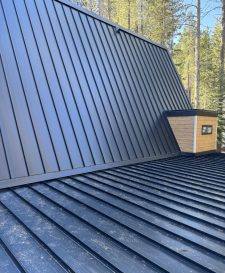
Why Salt Air, Rain, and Moss Wear Roofs Down Faster
Salt Air and Metal Corrosion
Salt in the air accelerates corrosion on exposed metal — nail heads, flashing seams, gutter fasteners, and vent boots with metal collars. A roof that would hold up for decades a hundred miles inland can show rust streaks, loosened fasteners, or pitted flashing years earlier near the water. Once a fastener starts to corrode, it loses its grip on the shingle or panel it's holding down, and that's often the first quiet step toward a leak that doesn't show up until much later.
Driving Rain and Wind-Driven Water
Skagit County storms frequently bring rain sideways, not straight down. Wind-driven rain gets pushed up and under shingle edges, around chimney flashing, and into valleys that would shed water fine in a calm downpour. Roofs that look intact from the ground can still be letting water in at these pressure points, especially around any roof penetration — vents, skylights, chimneys — where flashing has to do all the work.
Moss and the Long Wet Season
Shade, moisture, and mild temperatures make this a near-ideal environment for moss and algae growth on roofing. Moss doesn't just look bad — its root structure holds water against the roofing surface and works its way under shingle tabs, lifting them and breaking the seal that keeps water out. Left unchecked over a few seasons, moss growth turns small vulnerabilities into active leaks and shortens the life of an otherwise sound roof.
The Roof Problems We See Most Often in La Conner
- Lifted or curled shingle tabs from underlying moss growth
- Corroded or loosened nails and fasteners along ridges and edges
- Flashing failure around chimneys, skylights, and roof-to-wall transitions
- Clogged or sagging gutters holding standing water against the roof edge
- Soft spots or staining on decking from slow, long-term leaks
- Worn or cracked pipe boots and vent seals letting water track down into the attic
Most of these start small. A homeowner might not notice anything until a stain shows up on an interior ceiling — by which point water has usually been finding its way in for a while. Catching these issues early, before they reach the decking or interior framing, is what separates a straightforward repair from a much bigger project.
What a Correct Roof Repair Actually Involves
Diagnosing the Real Source, Not Just the Symptom
Water travels. A stain on a ceiling is rarely directly below the point where water is actually entering the roof — it can run along rafters or decking and show up feet away. A proper repair starts with tracing the leak to its actual source, which usually means inspecting flashing, penetrations, and shingle condition in the area above and around the visible damage, not just patching the spot that's showing.
Matching Materials and Technique
A repair is only as good as how well it integrates with the existing roof. That means matching shingle type, color, and exposure where possible, using flashing details appropriate to the specific transition being repaired, and making sure new material is woven or layered correctly with what's already there — not just caulked over the top of it. Repairs that rely heavily on sealant instead of proper flashing and shingle technique tend to fail again within a season or two.
Addressing the Cause, Not Just the Hole
If moss caused the lifted shingles, a real repair includes moss and debris removal and a plan to slow regrowth — not just replacing the damaged shingles and leaving the same conditions in place. If corroded fasteners caused the failure, we replace with fasteners suited to the exposure, not a like-for-like swap that will corrode again on the same timeline.
Repair or Replace? How We Help You Decide
Not every roof problem in La Conner needs a full replacement, and not every leak can be permanently solved with a patch. The right call depends on the roof's age, how widespread the damage is, and what's actually happening underneath the surface layer.
| Sign | Usually Points to Repair | Usually Points to Replacement |
|---|---|---|
| Leak location | Isolated to one flashing point or penetration | Multiple, unrelated leak points across the roof |
| Shingle condition | Localized lifting, cracking, or moss damage | Widespread granule loss, brittleness, or curling |
| Roof age | Well within expected lifespan for the material | At or beyond typical service life |
| Decking condition | Solid, no soft spots found during inspection | Soft, spongy, or visibly water-damaged decking |
| Repair history | First or infrequent repair needed | Repeated repairs to the same or nearby areas |
We'll give you a straight answer based on what we actually find, not what's easiest to sell. If a repair will hold and make sense financially, that's what we recommend. If the roof is past the point where repair is the responsible choice, we'll explain exactly why.
Our Roof Repair Process
1. Inspection and Diagnosis
We inspect the roof surface, flashing, penetrations, and, where accessible, the attic side of the decking to find where water is actually getting in — not just where it's showing up inside.
2. A Clear Explanation Before Any Work Starts
You'll know what we found, what caused it, and what the repair involves before we start. No vague line items — you should understand what you're paying for.
3. The Repair Itself
This includes removing damaged material, addressing moss or debris if it's a contributing factor, repairing or replacing flashing as needed, and installing matched roofing material with proper technique — correct nailing pattern, weather exposure, and integration with surrounding shingles or panels.
4. Cleanup and Final Check
We clear debris from the roof and gutters as part of the job, and do a final check of the repaired area and surrounding roof to confirm the fix is solid before we call it done.
Materials We Use — and Why
Most La Conner roof repairs involve standard asphalt composition shingles, which remain the most practical choice for this climate: predictable performance, wide availability for matching existing roofs, and a manageable maintenance burden. For older homes with cedar shake or other traditional roofing, repair requires more specialized technique to match the existing material and weathering pattern.
We're honest about trade-offs. Cedar shake, for example, can look great and suits certain older La Conner homes, but it demands more upkeep in a wet, moss-prone climate than composition shingle does — moisture retention and maintenance needs are simply higher. We'll tell you that directly rather than talk you into a product that fights the local climate instead of working with it. If your home already has cedar or another specialty roofing material, we'll repair it correctly to match, but we'll also be straight with you about what it takes to keep it performing here.
Older and Historic Homes in La Conner
La Conner has a good number of older homes, and older roofs come with their own considerations: original decking that may not meet current spacing or thickness standards, flashing details that were common decades ago but don't perform as well as current methods, and, in some cases, layers of roofing material added over the years instead of removed. A repair on an older home should account for what's actually underneath the current roofing, not assume it matches a modern build. We take the time to understand what we're working with before recommending a fix, especially on a home where the roof structure itself is part of what gives the house its character.
Signs Your La Conner Roof Needs Attention Now
- Visible moss growth, especially in shaded or north-facing sections of the roof
- Granules collecting in gutters or at downspout outlets
- Shingle tabs that are lifted, curled, or missing
- Any staining, discoloration, or sagging on interior ceilings
- Rust streaks below metal flashing or fasteners
- Daylight visible through the roof deck from inside the attic
- Gutters that overflow or hold standing water during rain
If you're seeing any of these, it's worth having someone look before the next stretch of Skagit County rain. Small issues caught early are almost always cheaper and simpler to fix than the same issue after another wet season has made it worse.
Why Local Experience in La Conner Matters
A roofer who mostly works dry-climate repairs, or who hasn't spent time on roofs exposed to this kind of salt air and moss pressure, can miss things that are obvious to a crew that works this area regularly. Knowing which flashing details tend to fail first near the water, which materials hold up against moss regrowth, and how wind-driven rain behaves around this region's typical roof designs isn't something you get from a general repair checklist — it comes from doing the work here, on roofs like yours, season after season.
We're based out of Anacortes and work throughout La Conner and the rest of Skagit County, which means we're not learning the local climate on your roof. We already know what to look for.
Get a Straightforward Estimate
If you're dealing with a leak, moss buildup, or damage you want a second opinion on, we're happy to take a look and give you a clear, honest assessment — no pressure, no upsell. Fill out the form below to request a free estimate for roof repair in La Conner.