 Anacortes Siding
 Why Color Choice Matters More on the Water
Anacortes sits where the San Juans meet the mainland, and that location does something to a house exterior that inland neighborhoods never have to deal with. Salt air pulls moisture and minerals onto every south- and west-facing wall. Driving rain off Rosario Strait and Guemes Channel drives water sideways into laps and trim. And from November through March, a low sun angle and constant damp keep north-facing walls in the shade long enough to grow moss on almost anything that will hold it. Color isn't just a style decision here — it's a decision about how forgiving your siding will be for the next 20-30 years.
James Hardie's ColorPlus Technology is a factory-applied finish, baked on and cured under controlled conditions before the boards ever reach a jobsite. That's different from field-painting fiber cement, and it changes how you should think about picking a color. This page walks through the practical side of that decision for a Skagit County home: undertone, sheen, how a color reads against our specific light and moss conditions, and where ColorPlus can and can't help you.
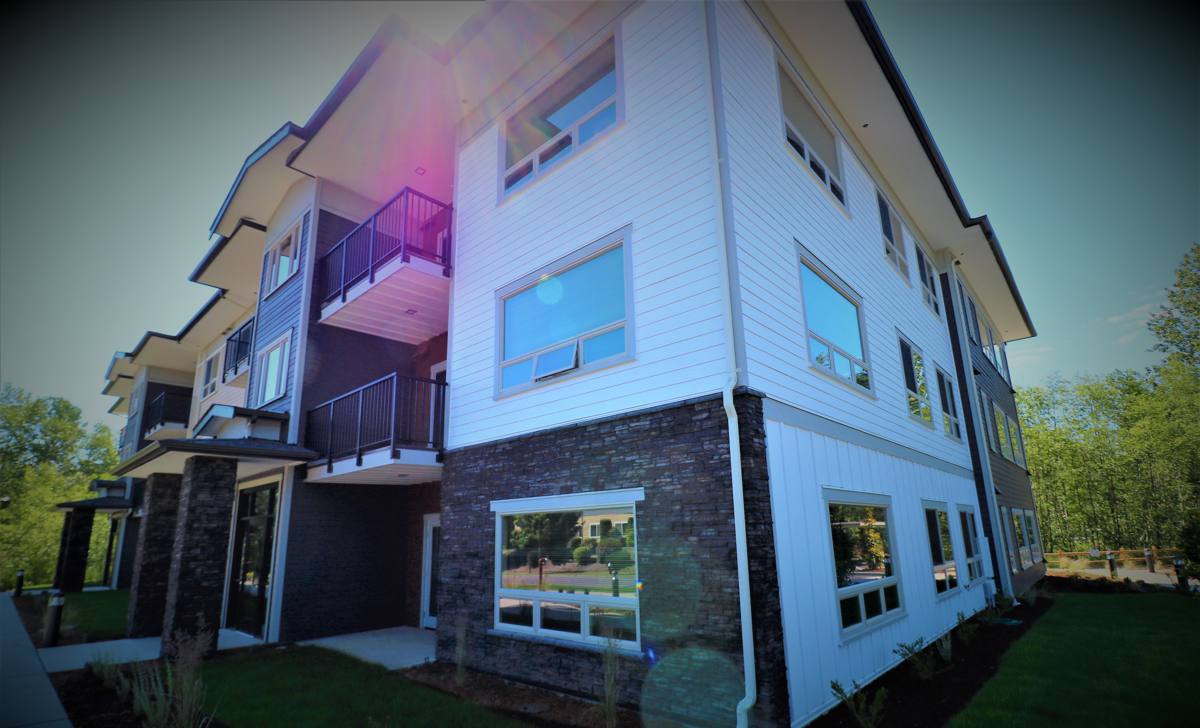
What ColorPlus Actually Is
ColorPlus is not paint in a can. It's a multi-coat, oven-cured finish applied to the fiber cement plank before it leaves the factory, with a color-matched touch-up kit provided for site cuts and minor nicks. The finish is bonded to the substrate rather than sitting on top of raw fiber cement the way field-applied paint does, which is why Hardie backs it with a longer, separate finish warranty than the base product warranty.
That matters in Anacortes specifically because our climate is hard on field-applied coatings. Salt-laden moisture and repeated wet-dry cycling stress a paint film's adhesion over time, and a poorly cured field coat can start chalking or fading years before it should. A factory-cured finish isn't immune to weather, but it starts from a more consistent, better-bonded baseline than a coat applied on scaffolding in variable weather.
Where Field Paint Still Comes In
Trim, fascia, and any primed-only Hardie product still get painted on site, and that paint job is only as good as the prep and the painter. If you go with ColorPlus siding, matching trim colors well — and having a plan for repainting trim on a normal maintenance cycle — is part of getting a cohesive, long-lasting result.
Reading Color Against Anacortes Light and Moss
Two local factors change how a color performs visually here, and both are worth walking your specific lot for before you commit.
Marine Light Is Flatter and Grayer
Overcast skies dominate a large share of the year in Skagit County, and that flat, diffuse light reads colors cooler and grayer than the same swatch looks in direct sun. A warm greige that looks inviting on a sunny showroom sample can read flat and cool on a gray February afternoon. If you're choosing a warm-toned color, lean slightly warmer than your instinct — the marine light will pull it back toward neutral anyway.
North Walls and Moss Staining
North-facing elevations, and any wall shaded by mature evergreens (common on wooded Anacortes and Fidalgo Island lots), stay damp longer and are where moss and algae streaking shows up first. Very light colors — bright whites and pale creams — show green-black streaking more visibly than mid-tone colors do. That's not a reason to avoid light colors, but it is a reason to plan on periodic gentle washing if you choose one for a shaded elevation, and to be realistic that a north wall will need more attention than a south wall regardless of color.
Salt Air and Chalking
Darker, saturated colors absorb more heat and can show UV fade or chalking sooner in high-sun climates. On the water in Anacortes, salt deposition is a bigger factor than raw UV load, but dark colors still show water spotting and salt film more visibly than mid-tones do between washings. This isn't a defect in the finish — it's just physics, and it applies to any exterior finish, not just Hardie.
Sheen, Undertone, and Board Profile
Three technical choices interact with each other more than most homeowners expect.
- Sheen: ColorPlus finishes are low-sheen by design, which helps hide minor surface irregularities and reduces glare — useful on a house that gets direct low-angle winter sun off the water.
- Undertone: Nearly every "neutral" color has a warm, cool, or green undertone. Test large samples against your actual roof color, stone or brick accents, and any fixed landscaping — undertones clash more often than base colors do.
- Board profile: Lap width and shadow lines change how a color reads. Wider exposure laps with deeper shadow lines make a color look slightly darker and more textured than the same color on a narrow-exposure board or on smooth panel siding.
Testing Before You Commit
Order large physical samples rather than trusting a paint chip or a screen. Look at them in the actual location on the house, in morning and late-afternoon light, on both a sunny day and an overcast one — the Anacortes weather rotation will usually hand you both within the same week. A color that looks right in a showroom under consistent lighting can behave very differently on a shaded gable end.
Color, HOA Rules, and Historic Character
Anacortes has a mix of housing stock — waterfront and view lots with HOA design guidelines, older in-town neighborhoods with a strong Craftsman and early-20th-century character, and newer Fidalgo Island developments with their own covenants. Before finalizing a color:
- Check your HOA or covenant documents for approved color ranges or a submittal process — some Anacortes developments require pre-approval before siding work begins.
- If your home is in an older in-town neighborhood, consider colors that respect the period character of the block, even where no formal historic designation applies — it tends to help resale value and neighborhood fit.
- If you're near the water or in a view corridor, some covenants restrict very light or very reflective colors to reduce glare for neighbors — worth confirming early, not after material is ordered.
Matching Trim, Roof, and Stone
A ColorPlus color rarely stands alone. The decisions that make or break the final look are usually in the pairings:
| Element | What to Match Against | Common Mistake |
|---|---|---|
| Roof | Undertone (warm vs. cool gray) and value (light/dark) | Picking siding color in isolation, then finding it clashes with an existing asphalt roof |
| Trim/Fascia | Contrast level — most Northwest homes read best with trim 2-3 shades lighter or darker, not identical | Matching trim and field too closely, which flattens the architecture |
| Stone/Brick Accents | Undertone family (warm gray stone vs. cool gray stone) | Ignoring an existing chimney or foundation stone that can't be changed |
| Windows | Frame color, especially on newer vinyl or fiberglass windows that can't be repainted | Choosing a siding color that fights with a fixed window frame color |
Panel Type and Where Color Shows Differently
Hardie's HZ5 and HZ10 product lines are engineered for different climate zones, and Anacortes' marine, high-moisture conditions typically call for HZ5-class products, but the panel profile you choose also affects how color performs:
- Lap siding — the most common choice; wider exposures show more shadow-line depth and can make a color look a shade darker than the swatch.
- Vertical (board and batten) — popular on Anacortes' more modern and craftsman-farmhouse builds; battens catch light differently and can create a subtle two-tone effect even in a single color.
- Panel siding — flat and shadow-free, so the color reads closest to true, which makes it a safer choice if you're nervous about undertone shift.
A Practical Color-Selection Checklist
- Order full-size ColorPlus samples, not just chips, from your contractor or Hardie's sample program.
- View samples on the actual elevation, in both direct sun and overcast light.
- Check the color against your roof, any stone/brick, and window frame colors you can't change.
- Confirm HOA or covenant approval requirements before finalizing.
- Decide on trim contrast level (subtle vs. bold) before ordering material.
- Ask your contractor which lines are stocked locally versus special-order, since lead times can affect project timing.
- Plan for periodic gentle washing on shaded, north-facing walls regardless of color chosen.
Why We Only Install ColorPlus, Not Field-Painted Siding
We standardized on James Hardie with factory-applied ColorPlus finish rather than offering field-painted fiber cement or primed products that need painting after installation. The reasoning is straightforward: a factory-cured finish gives a more consistent bond and color match across every board on the house, backed by Hardie's finish warranty, and it removes a major variable — paint crew quality and weather conditions during application — from the outcome. In a climate that already stresses coatings with salt air, wind-driven rain, and long damp stretches, we'd rather start with the most consistent finish available than gamble on field conditions during a Skagit County paint window.
If you're weighing colors for a siding project on Fidalgo Island or elsewhere in the Anacortes area, we're happy to bring samples to your home and walk the elevations with you in your own light. Reach out for a free, no-pressure estimate — there's no obligation, and it's the easiest way to see how a color will actually look on your walls before you commit.