 Anacortes Siding
 Asphalt Shingle Roofing Built for La Conner's Waterfront Conditions
La Conner sits right against the Swinomish Channel, tucked into the flats and low hills of Skagit County a short drive from Anacortes. It's a beautiful place to own a home, but the same water and tree cover that make it beautiful also make it hard on a roof. Salt-laden air drifts in off the channel and the Salish Sea, wind-driven rain comes in sideways during fall and winter storms, and the mature tree canopy that shades so many La Conner properties keeps roofs damp and shaded long after the rain stops. That combination is exactly what wears down an asphalt shingle roof faster than the manufacturer's paperwork suggests it should.
This page is specifically about asphalt shingle roofing for La Conner homes — not roofing in general. We'll walk through what the local climate demands, what a correctly built shingle roof actually involves, how we approach the work, and why hiring a crew that already understands this stretch of Skagit County matters more here than in a drier, more sheltered town.
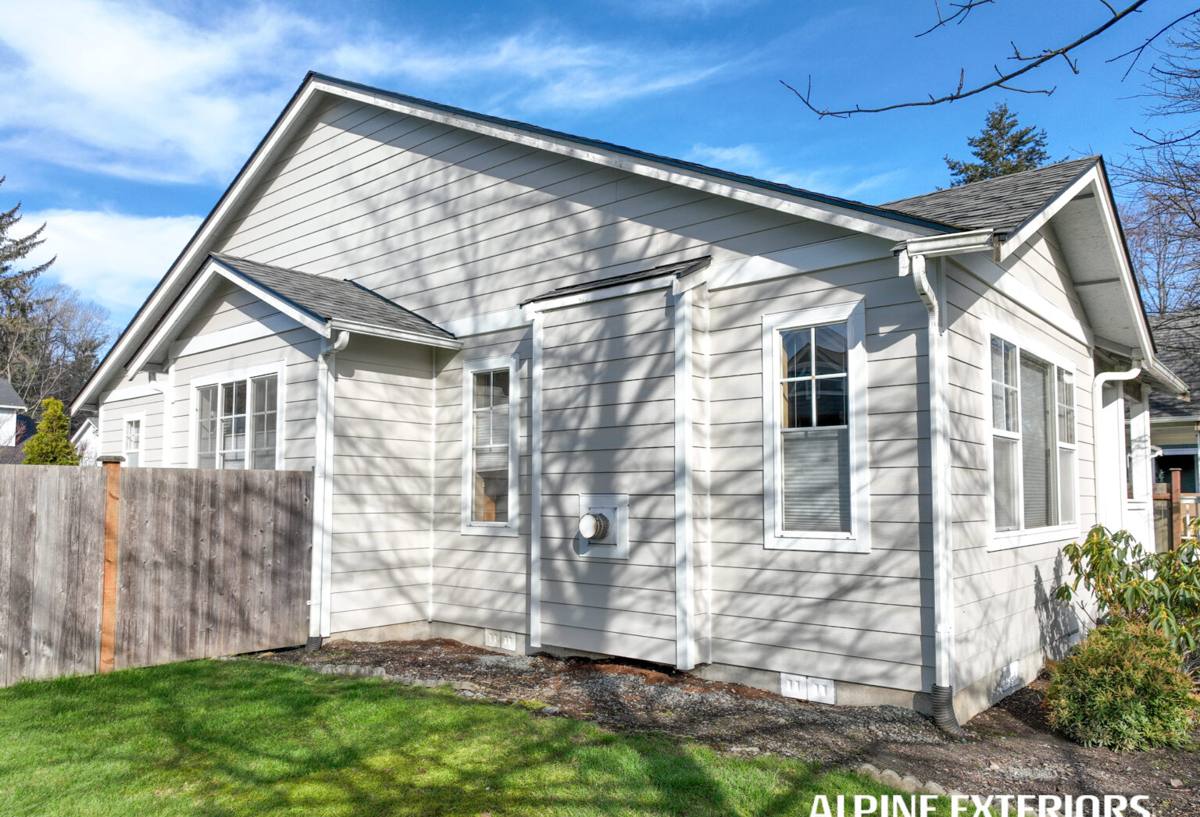
Why Salt Air, Driving Rain, and Moss Are a Tough Combination
Any one of these conditions on its own is manageable. Together, they compound.
Salt air and corrosion
Homes close to the channel deal with airborne salt that settles on every exposed metal component of a roof — nail heads, flashing, drip edge, vent caps, and gutter hardware. Ordinary fasteners and thin-gauge flashing corrode faster in this environment than they would ten or fifteen miles inland. Once a fastener or flashing seam starts to corrode, water finds its way underneath the shingles long before the shingles themselves look worn out.
Driving rain
Storms off the water don't just fall straight down — they push rain sideways under shingle tabs, around vents, and into any gap in the flashing. A roof that would be fine under vertical rainfall can leak under wind-driven rain if the underlayment, laps, and flashing details weren't built with that in mind.
Moss and shade
La Conner's tree cover and the region's long wet season mean many roofs stay damp for days at a time, especially on north-facing slopes and anywhere shingles sit in shade. Moss and algae take hold in that moisture, and once established they hold water against the shingle surface, lift tabs, and accelerate granule loss. A roof that sheds moss easily lasts significantly longer than one where moss is left to spread.
What a Correctly Installed Shingle Roof Needs Here
A shingle roof that's going to hold up in La Conner needs a few things built in from the start — not added later as a repair.
Underlayment and ice/water protection
We use a synthetic underlayment rated for this climate, with self-adhered ice-and-water membrane at eaves, valleys, and around every roof penetration. That membrane is what stops wind-driven rain from reaching the deck even if it gets past the shingles themselves.
Corrosion-resistant fasteners and flashing
Given the salt exposure near the water, we don't cut corners on fastener and flashing material. Hot-dip galvanized or better-grade fasteners and flashing hold up far longer than standard-grade hardware, and the cost difference over the life of the roof is small compared to the cost of chasing leaks caused by rusted-through flashing.
Ventilation that actually balances
Proper intake at the eaves and exhaust at the ridge keeps the attic space at roughly outdoor temperature and humidity. Without balanced ventilation, moisture gets trapped under the deck, which shortens shingle life from underneath and can lead to sheathing rot — a problem that doesn't show up until it's expensive.
Valley and penetration detail work
Valleys, chimneys, skylights, and vent boots are where the majority of shingle roof leaks actually start — not in the open field of the roof. These details take more time to do correctly, and it's where experience shows.
Managing Moss, Algae, and Debris Through the Long Wet Season
Even a well-built roof needs a bit of ongoing attention in a climate like this. A few habits make a real difference in shingle lifespan:
- Keep overhanging branches trimmed back so shaded sections of roof get more light and air movement
- Clear gutters and valleys of needles and leaf debris each fall, before the heavy rains start
- Address moss while it's still a thin green film — once it's thick and established, removal risks damaging the granule surface
- Use zinc or copper strips at the ridge on moss-prone slopes, which release trace metals that discourage regrowth over time
- Avoid pressure washing shingles directly — it strips granules and shortens the roof's life faster than the moss it's meant to remove
We can build moss-resistant details into a new roof or a re-roof, and we're glad to talk through a simple maintenance schedule for an existing roof during an estimate visit.
Choosing the Right Shingle for a La Conner Home
Not every asphalt shingle is built the same way, and the right choice depends on how exposed the roof is to wind, salt air, and shade. Here's how the common options compare for this area:
| Shingle Type | Wind Rating | Algae Resistance | Typical Lifespan Here | Best Fit |
|---|---|---|---|---|
| Standard 3-tab | Lower | Standard granules only | Shorter end of range | Budget-driven projects, less exposed roofs |
| Architectural / laminate | Higher, multi-layer construction | Often available with algae-resistant granules | Longer end of range | Most La Conner homes, especially waterfront or shaded lots |
| Impact-resistant laminate | Highest | Algae-resistant options available | Longer end of range | Homes wanting extra durability against debris and wind gusts |
For most La Conner homes we recommend an architectural shingle with algae-resistant granules as the baseline — the added upfront cost over 3-tab is modest, and the difference in how the roof handles moss, wind, and salt exposure over time is significant.
Our Installation Process, Step by Step
We keep the process straightforward and make sure you know what's happening at each stage:
- On-site evaluation — we walk the roof and attic, check ventilation, and look at flashing, decking condition, and any moss or moisture issues before quoting anything
- Tear-off and deck inspection — old roofing comes off down to the deck, and we inspect the sheathing for any soft spots or rot that need repair before new material goes down
- Underlayment and ice/water membrane — installed at eaves, valleys, and penetrations first, per the manufacturer's specifications for this climate
- Flashing and drip edge — new, corrosion-resistant flashing at every valley, wall intersection, and penetration
- Shingle installation — laid to the manufacturer's nailing pattern and exposure specs, not shortcuts, since improper nailing is one of the most common causes of early wind damage
- Ventilation check and final walkthrough — we confirm intake and exhaust are balanced and walk the finished roof with you before calling the job complete
Repair vs. Full Replacement: How We Help You Decide
Not every roofing problem in La Conner means a full replacement. Age, extent of damage, and what's happening underneath the shingles all factor into an honest recommendation.
| Factor | Points Toward Repair | Points Toward Replacement |
|---|---|---|
| Roof age | Under 15 years | Approaching or past manufacturer's expected lifespan |
| Damage location | Isolated area (one valley, one slope, storm damage spot) | Spread across multiple slopes |
| Granule loss | Minor, localized | Widespread, visible bald patches |
| Deck condition | Solid, no soft spots found | Soft decking or sheathing rot present |
| Moss/algae history | Recently cleaned, roof otherwise sound | Long-term moss damage to granules and mat |
We'll always tell you honestly which side of that table your roof falls on. If a repair is the right call, we do the repair — a full replacement isn't the answer to every roofing question.
Signs Your La Conner Roof Needs Attention Now
A few warning signs are worth acting on before they turn into a bigger repair:
- Granules collecting in gutters or at the base of downspouts
- Shingles that are cracked, curling at the edges, or missing entirely after a windstorm
- Dark streaking or thick moss growth, especially on shaded or north-facing slopes
- Soft or spongy spots when walking the roof, or sagging visible from the ground
- Daylight visible through the roof deck from inside the attic
- Water stains on interior ceilings, especially after a heavy wind-driven rain
- Flashing that looks rusted, lifted, or separated from the roof surface
Any one of these is worth a look before the next storm season rather than after.
Why Local Experience in La Conner Matters
Roofing crews that mostly work drier, more inland areas don't always build in the extra margin this stretch of Skagit County needs — the upgraded flashing, the ice-and-water coverage, the ventilation balance that accounts for a shaded, damp lot near the water. We work in La Conner and the surrounding Anacortes area regularly enough to know which details actually matter here and which corners cause problems two or three winters down the road. That's the difference between a roof that looks fine at handoff and one that's still performing well after a decade of channel storms and wet winters.
If you're dealing with an aging shingle roof, storm damage, or just want an honest read on where your roof stands, we're happy to take a look. Reach out for a free, no-pressure estimate using the form below — we'll walk the roof, answer your questions plainly, and give you a straight recommendation either way.