 Anacortes Siding
 Why Fidalgo Island Roofs Wear Differently
A roof on Fidalgo Island doesn't age the same way a roof does twenty miles inland. Being surrounded by the waters around Anacortes means homes here take on a steady diet of salt-laden air, wind-driven rain, and long stretches of damp, shaded weather that keep moss and moisture active for most of the year. None of that is dramatic on its own, but added up over a decade or two, it's the difference between a roof that quietly does its job for its full rated life and one that starts showing granule loss, soft decking, or moss-lifted shingles years ahead of schedule.
When we're asked to install a new roof on Fidalgo Island, we're not just matching a material to a budget. We're accounting for the specific combination of marine exposure, rainfall volume, and shade patterns that this part of Skagit County deals with, and building a roof system that's meant to handle it — not just look good on installation day.
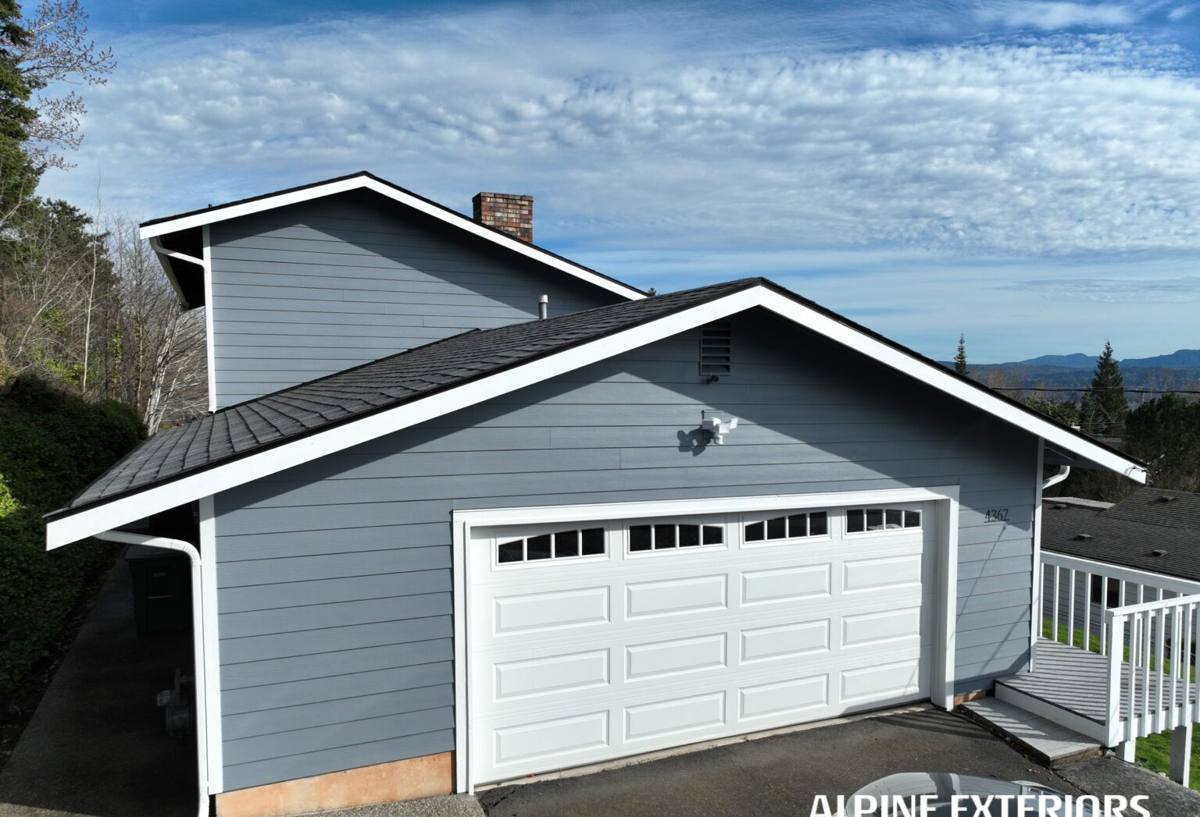
What the Local Climate Actually Does to a Roof System
Salt Air and Metal Fatigue
Airborne salt accelerates corrosion on any exposed metal — flashing, fasteners, vent caps, gutter hardware. Roofs installed with standard-grade fasteners or thin, unprotected flashing in coastal-influenced areas tend to show rust streaking and metal fatigue well before the shingles themselves are due for replacement. The fix isn't complicated, but it does mean choosing corrosion-resistant metal components from the start rather than treating flashing as an afterthought.
Driving Rain and Wind-Driven Water Intrusion
Rain that falls straight down is easy for any roof to shed. Rain that comes in sideways during a wind event is what finds the weak points — poorly lapped underlayment, undersized flashing, nail patterns that don't hold in gusts. Anacortes and the surrounding islands get their share of wind off the water, so seam and edge detailing matter more here than they would in a calmer inland location.
Moss, Shade, and Extended Dampness
Between tree cover and a long wet season, north-facing slopes and shaded roof sections on Fidalgo Island can stay damp for weeks at a stretch. That's exactly the environment moss needs to establish itself, and once moss gets a foothold under shingle tabs, it lifts them just enough to let water travel where it shouldn't. A roof designed with this in mind — proper slope, algae-resistant materials where appropriate, and clean edge detailing — holds up far better than one installed without any thought to shade exposure.
What a Correct New Roof Installation Actually Involves
A new roof is more than shingles nailed to plywood. Every layer underneath the visible surface is doing work, and skipping or shortcutting any one of them is usually what shows up as a leak two or five years later. A properly installed roof includes:
- Full tear-off of the old roofing material so the decking can be inspected directly, rather than roofing over hidden problems
- Decking repair or replacement wherever plywood or OSB has soft spots, delamination, or fastener pull-through
- A water-resistant underlayment installed with correct overlap, with extra protection at eaves and valleys where water concentrates
- Ice-and-water shield or equivalent membrane at vulnerable transition points, even in a climate where snow isn't the main concern — the same product protects against wind-driven rain
- Properly bent and fastened metal flashing at every roof-to-wall, valley, and penetration point
- Balanced intake and exhaust ventilation so the attic space can dry out between rain events instead of trapping moisture
- Manufacturer-correct fastening patterns and exposure, especially in higher-wind areas near open water
Every one of those steps is invisible once the roof is finished, which is exactly why it matters who's doing the work. A roof that looks identical from the street can perform completely differently depending on what happened underneath the shingles.
Material Options for Fidalgo Island Homes
There's no single "best" roofing material for every house — the right choice depends on your roof's slope, how much shade it gets, your budget, and how long you plan to stay in the home. Here's how the common options generally compare for this specific climate:
| Material | Moss & Moisture Resistance | Salt Air Durability | Typical Lifespan | Maintenance Load |
|---|---|---|---|---|
| Architectural asphalt composition shingle | Good, especially with algae-resistant granules | Good when flashing/fasteners are corrosion-resistant | 25–30 years | Periodic moss treatment on shaded slopes |
| Standing seam metal | Excellent — sheds moss and debris well due to slope and slick surface | Very good with coated/coastal-rated panels and fasteners | 40–50+ years | Low; occasional fastener and seam check |
| Synthetic/composite shingle | Good; resists moisture absorption better than wood-based products | Good | 30–50 years depending on product | Low to moderate |
We're happy to walk through the honest trade-offs for your specific roof — pitch, shade, and budget all factor in, and we'd rather steer you toward what will actually hold up on your home than the highest-margin option.
Our Installation Process
Assessment First
Before we quote anything, we get on the roof. We're checking deck condition, existing ventilation, flashing details, and how the roof's slopes and shade patterns line up with the moss and moisture issues common to this area. That inspection shapes the recommendation — not the other way around.
A Straightforward Timeline
Most single-family roof replacements on Fidalgo Island run a few days from tear-off to final cleanup, weather permitting. We work around Anacortes weather windows deliberately — we're not going to leave a torn-off section of roof exposed overnight if a wind-driven rain system is moving in off the water.
Cleanup and Final Walkthrough
Magnetic sweeps for nails, full debris removal, and a walkthrough where we show you the completed flashing, ventilation, and edge details before we consider the job finished.
Ventilation and Moisture: The Detail Most Roofs Get Wrong
An underventilated attic traps warm, moist air against the underside of the roof deck. In a climate as consistently damp as this one, that trapped moisture doesn't get much chance to dry out, which over time leads to deck rot, mold, and premature shingle failure from underneath — even on a roof that looks fine from the outside. Correct ventilation balances intake (usually at the eaves) with exhaust (ridge or high-point vents), so air actually moves through the attic space instead of sitting stagnant. This is one of the most overlooked parts of a roof installation, and it's also one of the cheapest to get right at the time of install versus fixing later.
Why a Crew That Already Works Fidalgo Island Matters
Roofing here isn't the same job as roofing in a dry inland climate, and it shows in the details a crew either accounts for or doesn't. A contractor who regularly works Anacortes and the surrounding Skagit County islands already knows how much wind exposure a given slope or elevation typically sees, which shaded rooflines tend to hold moss, and how to sequence a tear-off around marine weather instead of getting caught mid-project by a system rolling in off the water. That local familiarity also extends to permitting — the City of Anacortes and Skagit County have their own requirements for roofing permits and inspections, and knowing that process ahead of time keeps a project from stalling partway through.
None of that is anything against a crew from outside the area. It's simply that a roof installed with local conditions in mind, by people who've already seen how those conditions play out over years on other Fidalgo Island homes, tends to need fewer surprises down the road.
After Installation: Keeping a New Roof Performing
A correctly installed roof still benefits from basic upkeep in this climate. A short annual checklist goes a long way:
- Clear gutters and downspouts each fall so water doesn't back up under the roof edge
- Remove overhanging branches that keep shaded sections of roof damp longer than necessary
- Treat early moss growth before it spreads across a slope, rather than waiting until it's visible from the ground
- Have flashing and penetrations checked every few years, since these are the first points to show wear in salt air
- Confirm attic ventilation isn't blocked by insulation or storage after any attic work
A little attention each year is far cheaper than dealing with a leak that's been quietly developing behind the scenes.
If you're weighing a new roof for a home on Fidalgo Island, we're glad to take a look and give you a straight assessment — no pressure, no inflated scare tactics, just an honest read on your roof's condition and what it would take to do the job right. Use the form below to request a free estimate.