 Anacortes Siding
 Fiber Cement Siding in Similk Beach: A Different Kind of Exposure Than Downtown Anacortes
Similk Beach sits along Similk Bay at the south end of Fidalgo Island, in Skagit County, a stretch of shoreline with a mix of older cabins and cottages built close to the water and newer homes set back on wooded lots above the beach. It's a different exposure profile than a home a few miles north in downtown Anacortes or up on the bluffs — here the bay is close enough that salt-tinged air, wind off open water, and shoreline humidity are part of daily conditions rather than an occasional weather event. Siding on a home like this isn't just cladding; it's the first line of defense against a climate that stays damp for long stretches of the year.
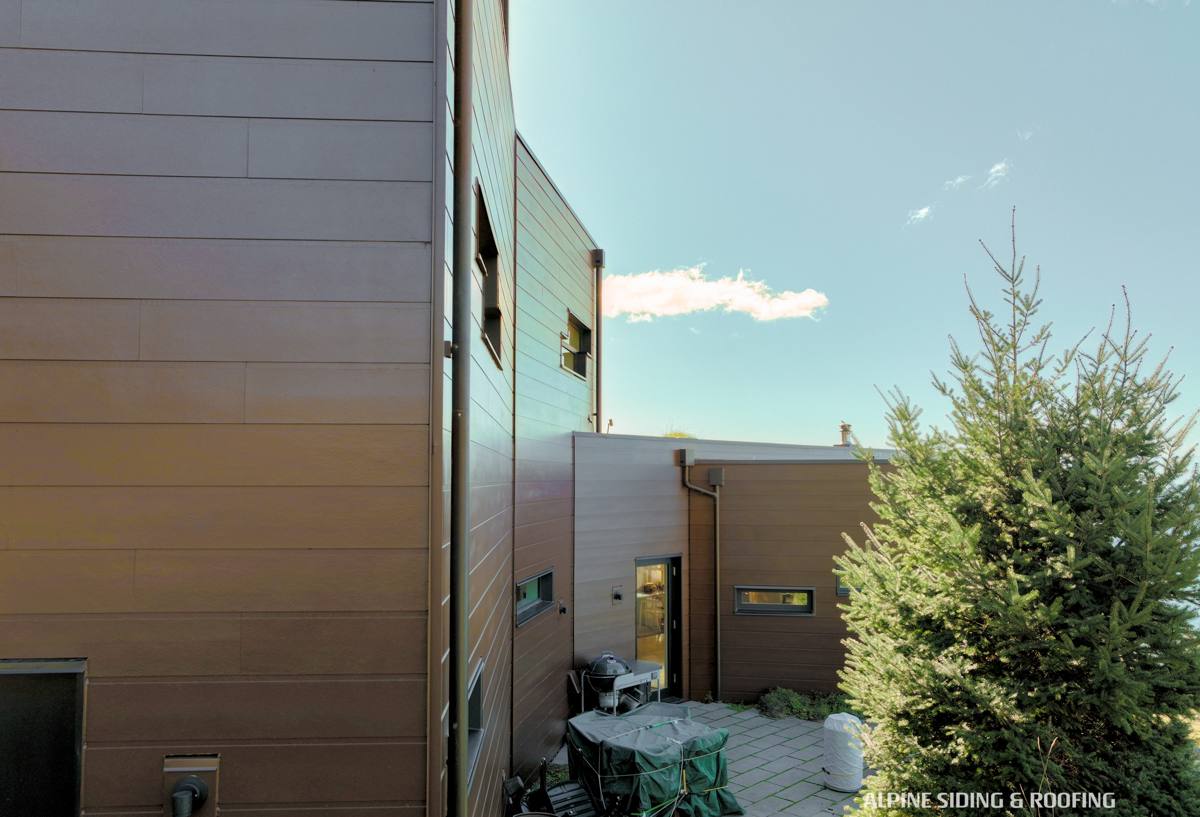
We install James Hardie fiber cement siding, and only James Hardie fiber cement siding, on every home we work on — including the ones lining Similk Bay. This page is specifically about that one service in this one area: what the local climate actually does to siding here, what a correct fiber cement installation looks like on a bay-facing home, and why the details matter more in Similk Beach than they would on a sheltered lot further inland.
What Similk Bay's Climate Does to Siding
Salt Air and Marine Corrosion
Air moving across Similk Bay and the broader Salish Sea carries a mild salt content that settles on exterior surfaces day after day, year-round. On siding materials that aren't built to resist it, that steady exposure shows up over time as premature fading, chalking finishes, and fasteners or trim hardware that corrode faster than they would a few miles inland. It's a slow process, which is exactly why it gets overlooked until a homeowner notices their siding looks tired well before it should.
Driving Rain Off the Water
A home with open water in front of it takes weather differently than one tucked behind a hill or a stand of trees. Wind moving across Similk Bay picks up speed with nothing to slow it down, and when it's raining, that wind drives water into bay-facing walls with real force — into laps, seams, and any gap in flashing or trim. The uphill or tree-shaded side of the same house might stay comparatively dry, which means the wettest wall on the property, not the average conditions, has to set the standard for how the whole job gets detailed.
A Long Moss and Mildew Season
Between bay humidity, regular Skagit County rainfall, and tree cover on many Similk Beach lots, exterior surfaces here often don't get a long enough dry stretch for moisture to fully clear before the next system rolls in. That's the environment moss and mildew need to take hold, and it typically shows up first on north-facing walls and anywhere shade keeps a surface damp longer than the rest of the house. Siding that absorbs and holds moisture at the surface, instead of shedding it, extends that damp window and gives moss more time to establish itself before things dry out again.
Why James Hardie Fiber Cement Is the Right Fit Here
We used to install a broader range of siding products. Standardizing on James Hardie fiber cement came out of watching, repeatedly, how different materials actually performed on bay-facing and marine-exposed homes over years, not just in the first season after installation.
- Non-combustible core: Fiber cement doesn't feed a fire the way wood-based siding can, which matters for both safety and, often, homeowners insurance.
- Factory-applied ColorPlus finish: Color is baked on under controlled factory conditions rather than applied on-site, which holds up better against salt-tinged marine air and repeated wet-dry cycling than field-applied paint.
- Climate-engineered HZ product lines: Hardie's HZ5 formulation is built specifically for regions with heavy moisture exposure and freeze-thaw cycling, which matches Similk Beach's bay-side conditions closely.
- Dimensional stability: Fiber cement doesn't swell, cup, or warp the way engineered wood products can after repeated soaking near open water.
- Strong transferable warranty: Hardie backs correctly installed siding with a substantial, transferable warranty, which matters to a future buyer as much as the current owner.
What We Don't Install, and Why
We don't install LP SmartSide, vinyl siding, Cemplank, Allura, primed spruce, or cedar. None of those are bad products across the board — plenty of homes elsewhere carry them without issue. But on a bay-facing lot in Similk Beach, taking direct wind-driven rain and steady salt air, we've made a professional decision to stand fully behind one system rather than offer a cheaper option that quietly shifts moisture and maintenance risk onto the homeowner a few years down the road.
What a Correct Fiber Cement Installation Involves
Fasteners and Flashing
Fiber cement only performs the way it's engineered to when it's installed to Hardie's published specifications, starting with fastener type, length, and spacing. On a bay-facing wall, flashing at every window, door, and roof-to-wall transition has to be lapped correctly so wind-driven rain can't work its way behind the cladding. Skipping or shortcutting flashing detail is the single most common reason a siding job that looks fine at completion develops moisture problems within a few years.
Clearance and Drainage
Hardie specifies minimum clearance from grade, roof lines, and decks, along with drainage or rain-screen detailing where the wall assembly calls for it. On a Similk Beach lot close to the water table and exposed to sustained bay moisture, that clearance and drainage plane give any incidental water a way out instead of letting it sit against the wall sheathing.
Joints, Trim, and Caulking
Every butt joint, corner, and trim intersection is a potential entry point for water if it isn't sealed and backed correctly. We treat those details as structural, not cosmetic — a joint that's caulked well but not properly flashed behind it will fail eventually, and on a wall taking direct rain off Similk Bay, "eventually" tends to arrive sooner than it would somewhere sheltered.
Our Process for a Similk Beach Siding Project
- An on-site walk of the exterior, paying specific attention to which walls face the bay directly and which are shaded or set back, since exposure can vary wall by wall on the same house.
- A written scope of work and timeline before any work begins, so there's no ambiguity about materials, flashing details, or cost.
- Removal of existing siding and inspection of the sheathing underneath for any moisture damage that needs to be addressed before new siding goes on.
- Installation of flashing, drainage detailing, and James Hardie fiber cement to manufacturer specification, with extra attention to bay-facing walls.
- A final walkthrough so the homeowner understands what was done and what, if anything, to watch for going forward.
Comparing Siding Materials for a Similk Beach Home
| Material | Moisture Behavior on a Bay-Facing Wall | Maintenance Near Similk Bay | Typical Longevity Here |
|---|---|---|---|
| James Hardie fiber cement | Dimensionally stable; resists swelling, warping, and wind-driven rain intrusion | Low; factory finish resists salt-air fading and moisture damage | 30+ years with correct installation |
| Vinyl siding | Can trap moisture behind panels; seams stay damp longer in marine air | Low upfront cost, but limited protection on direct wind-driven walls | Variable; often shorter on exposed elevations |
| LP SmartSide / engineered wood | Wood-based core is moisture-sensitive at cut edges and joints | Moderate to high; edge sealing is critical in sustained bay dampness | Depends heavily on installation quality and upkeep |
| Cedar / primed wood | Absorbs and releases moisture readily | High; needs regular refinishing, especially facing open water | Shorter without disciplined, ongoing maintenance |
What Fiber Cement Siding Costs to Install in Similk Beach
Cost on any given Similk Beach home depends on a handful of factors more than it does on a flat per-square-foot number, and a bay-facing lot often brings a few of the pricier ones into play at once.
| Factor | Why It Moves the Price |
|---|---|
| Amount of existing siding removal and disposal | Tear-off and haul-away add labor before new material even goes up |
| Sheathing condition underneath | Moisture-damaged sheathing on older bay-facing homes sometimes needs repair before re-siding |
| Number of bay-facing vs. sheltered walls | Exposed walls need more careful flashing and drainage detailing, which takes more time |
| Trim complexity and window/door count | Every penetration is a flashing detail that adds labor |
| Site access | Waterfront lots with limited staging space can slow the work compared to open ground |
We give homeowners a clear, written estimate after actually walking the property, since two homes of similar size in Similk Beach can price out differently depending on exposure and existing condition.
Signs Your Current Siding Is Already Struggling in This Climate
- Paint or finish that's chalking, fading, or peeling faster on bay-facing walls than on sheltered ones
- Soft spots or visible swelling around butt joints, corners, or trim
- Moss or dark staining that returns quickly after cleaning, especially on shaded or north-facing walls
- Visible rust streaking from fasteners or trim hardware
- Gaps opening up at caulked joints or around window and door trim
- A musty smell or visible staining on interior walls near exterior siding after heavy rain
Why Hiring a Crew That Already Works Similk Beach Matters
Similk Beach isn't uniform — a home sitting low and close to the water with a full bay-facing wall deals with a genuinely different moisture load than one set back and shaded by trees a short distance away. A crew that regularly works this shoreline already knows to adjust flashing, drainage detailing, and fastener choices wall by wall instead of applying one generic approach to the whole house. That local judgment is what separates a siding job that looks good for a season from one that's still performing decades out.
Questions Worth Asking Before You Hire
- What siding material do they install, and does it come with a written, transferable warranty?
- Do they carry current Washington contractor licensing and active liability insurance?
- How do they handle flashing and drainage on walls that take direct wind-driven rain off the water?
- Have they worked on other homes specifically in Similk Beach or along Similk Bay, not just general Skagit County remodeling?
- Will you get a clear, written scope of work and timeline before any work starts?
If you're weighing your options for siding on a Similk Beach property, we're glad to walk the exterior with you and give an honest read on what it actually needs, whether that's a full re-side or a smaller repair. Reach out below for a free, no-pressure estimate.