 Anacortes Siding
 Roofing in Skyline: A Different Set of Conditions
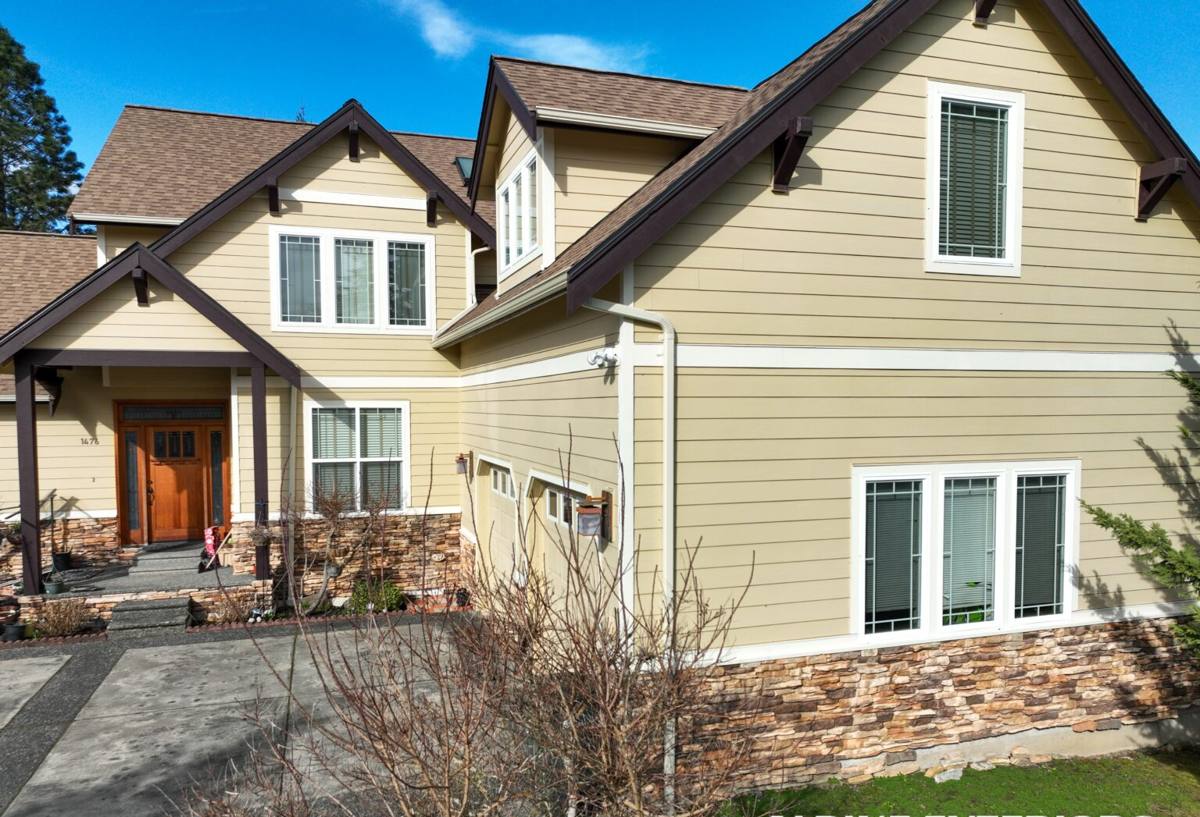
Homes in the Skyline area sit close enough to the water and open exposure of Fidalgo Island that the roof over your head deals with more than the average inland house. Salt-laden air, wind-driven rain off the Sound, and heavy tree cover in the surrounding neighborhoods combine to age roofing materials faster than most manufacturers' warranty charts assume. A roof replacement here isn't just about swapping old shingles for new ones — it's about building an assembly that can actually handle what this specific location throws at it, year after year.
We've worked on enough roofs in and around Anacortes and Skagit County to know that a roof that performs well in a dry, inland climate can fail early in a place like Skyline. That's the gap this page is meant to close: what local homes actually need, what a correct job looks like, and how to tell a solid roofing contractor from one who's just passing through.
What Salt Air, Rain, and Moss Actually Do to a Roof
Salt Air and Metal Components
Airborne salt accelerates corrosion on any exposed metal — flashing, fasteners, vent caps, gutter hardware. On a standard roof this shows up as rust streaks, pitted metal, and eventually leaks at the very points that are supposed to keep water out: valleys, chimney flashing, and roof-to-wall transitions. Cheaper, uncoated fasteners are usually the first thing to fail on a salt-exposed roof, often years before the shingles themselves are worn out.
Driving Rain and Wind
Storms moving through this part of the Sound don't just drop rain straight down — wind pushes it sideways and up under roof edges, ridge caps, and poorly lapped flashing. A roof that would shed water fine in a calm rain can leak under wind-driven rain if the underlayment, flashing details, and shingle nailing pattern weren't done with that in mind.
Moss and Moisture Retention
Anacortes gets a long moss season, and Skyline's mix of tree cover and shaded roof slopes makes it worse. Moss isn't just cosmetic — it holds moisture against the roof surface, works its way under shingle tabs, and lifts them over time. A roof with heavy moss growth is often losing years of usable life even if it isn't leaking yet.
How to Tell If You Need a Replacement, Not a Repair
Not every roofing problem calls for a full replacement, and we won't tell you it does. But there are signs that mean the roof has moved past the point where patching makes sense:
- Granule loss heavy enough that you can see bare, shiny patches on shingles
- Shingles that are curling, cupping, or cracking across large sections of the roof, not just one spot
- Soft or spongy decking felt underfoot in the attic or from the roof surface
- Repeated leaks in different locations after past repairs
- Moss or algae growth that keeps coming back within a season or two of cleaning
- A roof approaching or past the expected lifespan of its material, especially if it was installed without proper ventilation
If you're only seeing one or two of these and the roof is otherwise mid-life, a targeted repair may still be the right call. We'll tell you that directly rather than push a replacement you don't need yet.
What a Correct Roof Replacement Involves
Tearing Off Down to the Deck
A proper replacement removes the old roofing down to the sheathing so we can actually see the deck condition — not just layer new material over old. Any soft, water-damaged, or delaminated decking gets identified and replaced before anything new goes down. Skipping this step is the single most common shortcut that leads to early failure.
Underlayment Built for Wind-Driven Rain
Given the exposure Skyline homes deal with, we don't treat underlayment as an afterthought. Self-adhered ice-and-water membrane at eaves, valleys, and roof penetrations, paired with synthetic underlayment across the field, gives the roof a real second line of defense if wind pushes water past the surface layer.
Flashing Details That Actually Shed Water
Chimneys, skylights, dormers, and wall intersections are where most leaks start. Correct step flashing, counter-flashing, and valley metal — properly lapped and sealed, not just caulked over — matter more on a salt-exposed, wind-driven-rain roof than almost anywhere else in the build.
Ventilation That Fights Moss and Moisture
Balanced intake and exhaust ventilation keeps the underside of the roof deck dry and closer to outside temperature, which slows moss growth on the shingle surface and prevents the kind of trapped moisture that rots decking from the inside. A lot of older Anacortes-area roofs were never ventilated correctly in the first place, which we look at closely during any replacement.
Corrosion-Resistant Fasteners and Hardware
Given the salt air exposure, we use fasteners and flashing metals chosen to resist corrosion rather than the cheapest option available. This is a small line-item cost difference that has an outsized effect on how long the roof's weak points actually hold up.
Comparing Roofing Materials for a Skyline Home
There's no single "best" material for every house — it depends on your roof's slope, tree cover, budget, and how long you plan to stay in the home. Here's an honest comparison of the main options we install in this climate:
| Material | Typical Lifespan | Moss/Moisture Resistance | Salt Air Durability | Relative Cost |
|---|---|---|---|---|
| Standard asphalt composition shingle | 20–25 years | Moderate — needs periodic cleaning | Good with corrosion-resistant fasteners | Lower |
| Architectural/laminate shingle | 25–30 years | Good — thicker profile sheds debris better | Good with proper hardware | Moderate |
| Standing seam metal | 40–50+ years | Excellent — moss struggles to hold on smooth metal | Very good with coated/marine-grade fasteners | Higher |
| Synthetic/composite shingle | 30–50 years | Good to excellent depending on product | Good | Moderate to higher |
Metal roofing tends to perform especially well against moss because there's less surface texture for spores to grip, but it's a bigger upfront investment. For a lot of Skyline homeowners, a quality architectural shingle with proper ventilation and flashing hits the right balance of cost and performance. We'll walk through the real trade-offs for your specific roof rather than steering you toward whatever's easiest to sell.
How Our Roof Replacement Process Works
- Inspection and honest assessment — We check the deck, ventilation, flashing points, and current material condition, and tell you plainly whether you need a replacement or a repair.
- Written estimate with material options — You'll see the real cost differences between material choices before committing to anything.
- Tear-off and deck inspection — Old roofing comes off, damaged decking gets replaced, and you're shown any issues we find before we cover them back up.
- Underlayment, flashing, and ventilation installed correctly — This is where most of the roof's real weatherproofing happens, and it's where we don't cut corners.
- Final roofing material installed to manufacturer specification — Proper nailing pattern, exposure, and sealing, not just "close enough."
- Cleanup and final walkthrough — Magnetic sweep for stray fasteners, debris hauled off, and a walkthrough so you know exactly what was done.
Why Hiring a Crew That Already Works in Skyline Matters
A roofing crew that mostly works drier, inland jobs may not think twice about corrosion-resistant fasteners or wind-rated flashing details — because they've never had to. A crew that regularly works homes along Anacortes' waterfront and surrounding Skagit County neighborhoods builds those decisions into the job by default, because they've seen what happens when they're skipped. That local pattern-recognition — knowing which roof slopes hold moss the longest, which flashing details fail first in driving rain, which fastener grades actually hold up to salt air — is the difference between a roof that looks right on install day and one that still performs correctly in year fifteen.
Questions Worth Asking Before You Hire
- Will you tear off down to the deck, or is any layering-over involved?
- What underlayment and ice-and-water coverage will be used at valleys and eaves?
- What fastener and flashing materials are you using, given the salt air exposure here?
- How will the roof be ventilated, and is the current ventilation adequate?
- What does the manufacturer's warranty actually cover, and what does your workmanship warranty cover separately?
- Can you walk me through what happens if you find deck damage once the old roofing is off?
Any roofing contractor who can't answer these clearly and specifically, before you sign anything, is worth a second look.
Get a Straightforward Estimate
If your Skyline home's roof is showing granule loss, persistent moss, curling shingles, or you're just not sure whether it's a repair or replacement situation, we're glad to take a look. The estimate is free, there's no pressure, and you'll get a plain-English explanation of what we find and what your real options are. Use the form below to get started.