 Anacortes Siding
 Storm Damage Roof Repair for Conway Homes
Conway sits in the low-lying stretch of the Skagit River corridor between Mount Vernon and Stanwood, and that geography puts roofs here in the direct path of everything Pacific storms bring through Skagit County. Wind funnels through the valley, rain arrives sideways more often than straight down, and the damp air off the Sound keeps roof surfaces wet for days after a storm passes. When a roof takes damage in Conway, it rarely stays a small problem for long — the same moisture that got in during the storm keeps working on the structure underneath until someone stops it.
This page is about one job done right: identifying storm damage on a Conway roof, repairing it correctly the first time, and doing it with a crew that already knows this stretch of Skagit County because we work it regularly out of Anacortes.
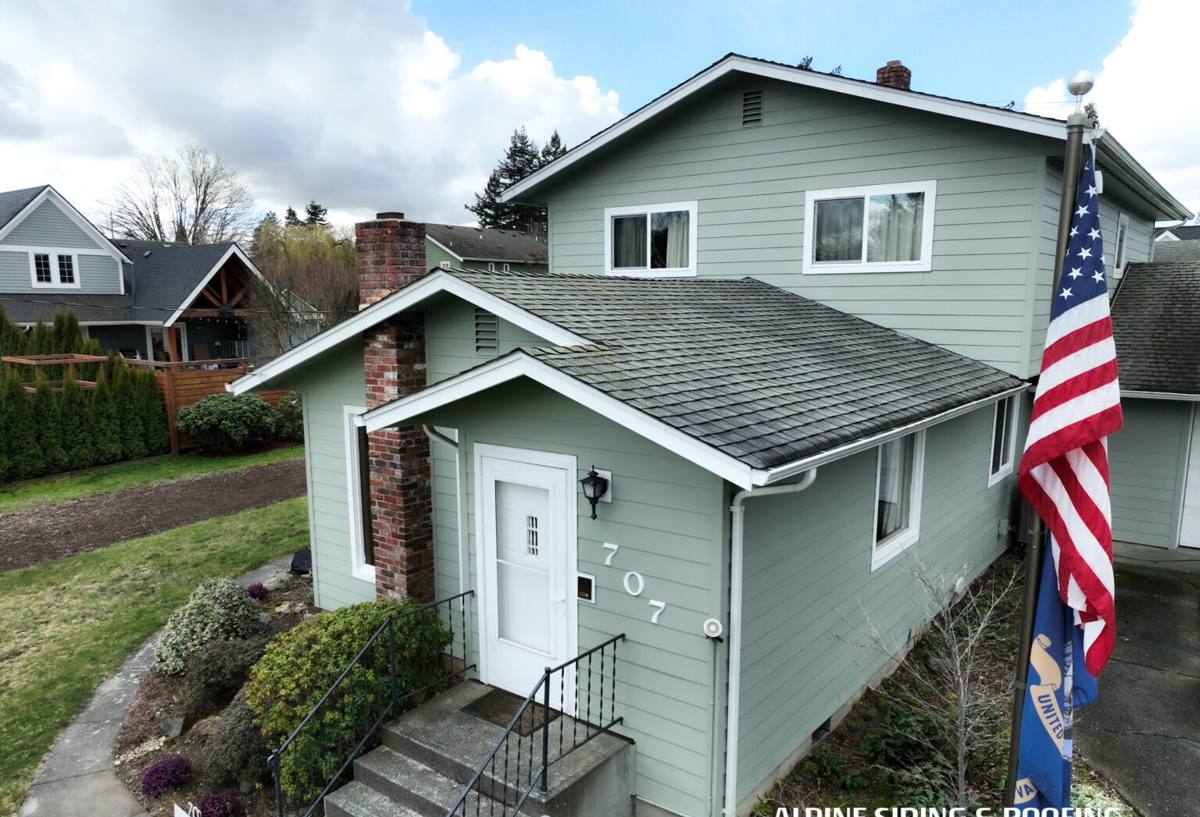
What Skagit County Storms Actually Do to a Roof
Not all storm damage looks dramatic. Some of the most costly damage is the kind a homeowner never sees from the ground.
Wind and Driving Rain
Sustained wind lifts shingle tabs and works fasteners loose, especially on roof edges and ridges where uplift is strongest. Once a shingle edge is lifted even slightly, wind-driven rain gets pushed uphill under it — something a normal rainstorm would never do. That's how a roof with no visible missing shingles can still end up with a soaked attic.
Debris Impact
Conway's mix of open farmland and mature trees means falling limbs, wind-blown debris, and occasional hail can crack or puncture shingles, dent metal flashing, and knock granules loose from asphalt roofing. Granule loss doesn't always look like damage, but it thins the shingle's UV and weather protection.
Standing Water and Backed-Up Drainage
Heavy rain events overwhelm gutters that are already partly clogged with moss and needle debris — a near-constant issue in this climate. Overflowing gutters push water back under the roof edge (fascia and drip edge) instead of away from the house, which is a slow, repeat-visit way to rot a roof deck.
Moss Season Compounding Storm Damage
Western Washington's long, damp shoulder seasons let moss establish on north-facing and shaded roof slopes. Moss holds water against the shingle surface, and when a storm hits a roof that already has moss growth, the combination accelerates granule loss and shingle lifting far faster than either factor alone.
How to Tell If Your Conway Roof Needs a Storm Repair
Most homeowners call us after noticing one of these signs following a storm:
- A new water stain on a ceiling or in the attic, especially near a chimney, skylight, or roof valley
- Shingles found in the yard or driveway after high wind
- Visible lifted, curled, or missing shingle tabs from the ground
- Dented, bent, or loose flashing around vents, chimneys, or wall intersections
- Gutters overflowing during rain even though they were recently cleaned
- A musty smell in an upstairs room or closet that wasn't there before
- Granules collecting in gutters or at downspout outlets
Any one of these on its own might be minor. Two or more together, especially after a named storm event, usually means water has already found a way in and the repair is more urgent than it looks.
What a Proper Storm Damage Repair Involves
Inspection Before Anything Else
We check the roof surface, flashing points, gutters, and attic (where accessible) before recommending anything. A repair quoted without an attic check is a repair based on a guess. We also document what we find with photos so you have a clear record, which matters if you're filing an insurance claim.
Emergency Mitigation
If a roof is actively leaking or has an open puncture, stopping further water intrusion comes first — typically a tarp or temporary seal over the damaged area. This isn't the fix; it's what keeps a bad day from becoming a bad month while the real repair is scheduled and materials are sourced.
The Actual Repair
This is where matching matters. Shingle color, profile, and even the manufacturer's granule blend can vary between production runs, so we source replacement material as close to your existing roof as we reasonably can and are upfront when an exact match isn't possible. Underlayment and flashing that got wet or damaged during the storm gets replaced, not just covered — reusing compromised underlayment is a common shortcut that causes a second leak within a year or two.
Cleanup and Final Check
Nails, torn shingle pieces, and granule debris get cleared from the roof, gutters, and yard. We do a final water test on repaired flashing and valley areas before calling the job finished.
Repair vs. Replacement: How We Make the Call
Storm damage doesn't automatically mean a new roof, and it doesn't automatically mean a patch job either. The honest answer depends on the roof's condition before the storm hit it.
| Factor | Repair Is Usually Enough | Replacement Should Be Considered |
|---|---|---|
| Roof age | Under 12–15 years, asphalt shingle | Nearing or past manufacturer's expected service life |
| Extent of damage | Isolated to one slope or a small area | Damage spread across multiple slopes |
| Underlying deck condition | Solid, no rot found during inspection | Soft spots or rot found at the damaged area |
| Prior moss/moisture history | Minimal, roof otherwise well maintained | Heavy moss history with granule loss across the field |
| Shingle match availability | Close match available for a clean repair | Discontinued product, poor match likely |
We'll walk you through where your roof falls on these factors and give you a straight recommendation — we don't upsell a full replacement when a proper repair will hold, and we won't recommend a patch on a roof that's genuinely at the end of its service life.
Materials We Use for Storm Repairs
For asphalt composition roofs, the most common roof type in Conway and across Skagit County, we use quality architectural or three-tab shingles matched to your existing roof wherever possible, paired with synthetic underlayment and metal flashing rated for coastal moisture exposure. On metal roofs, repairs focus on fastener replacement, seam resealing, and panel-specific flashing work rather than generic patching, since metal roofing systems are engineered as a whole assembly.
We're selective about underlayment and sealant products specifically because of this region's climate. A product that performs fine in a drier climate can fail here simply from the volume of sustained damp exposure, so our standard is materials with a track record in Pacific Northwest coastal conditions, not just the cheapest code-minimum option.
Why a Crew That Already Works Conway Matters
Conway is a smaller community without a roofing contractor based there directly, which means storm response often comes from crews driving in from Mount Vernon, Everett, or further out. We work out of Anacortes and cover this part of Skagit County regularly, which matters in two practical ways after a storm.
First, response time. When a roof is actively leaking, the gap between your call and a tarp going up is the gap where damage compounds. Second, familiarity with how storms actually behave in this valley — which roof orientations take the worst wind exposure, how fast moss reestablishes on shaded slopes here, and what flashing details tend to fail first in homes built to older code in this area. That local pattern recognition shortens the time between inspection and an accurate diagnosis.
We also pull permits and follow inspection requirements through Skagit County when a repair scope requires it, so the work is documented correctly if it ever comes up during a future home sale or insurance review.
Preventing Repeat Storm Damage
A storm repair is only as good as what happens to the roof afterward. Most repeat calls we get in this area trace back to the same handful of maintenance gaps:
- Gutters cleaned at least twice a year, more often under overhanging trees
- Moss treated before it spreads, not after shingles are already lifting
- Attic ventilation checked — poor airflow traps moisture and accelerates deck rot
- Flashing around chimneys and vents inspected annually, since these are the most common leak points
- Overhanging limbs trimmed back from the roofline before storm season
- Any new stain, drip, or musty smell investigated promptly rather than waiting for the next storm to make it worse
None of this is complicated, but it's the difference between one storm repair and a pattern of them.
Insurance and Storm Damage Claims
Many storm repairs in this area are at least partly covered by homeowners insurance, depending on your policy and the cause of damage. We're not your insurance adjuster and won't promise a claim outcome, but we do provide clear photo documentation and a written scope of damage that you can submit with a claim. If you're unsure whether a repair is worth filing on, we'll give you an honest cost estimate first so you can weigh that against your deductible before deciding.
If your Conway home took storm damage recently — or you just want a roof checked before the next system rolls through — we're glad to come take a look. Fill out the form below for a free, no-pressure estimate and we'll give you a straight answer on what your roof actually needs.