 Anacortes Siding
 Building New in Bow? The Windows Have to Be Right the First Time
Bow sits in the rural stretch of Skagit County between Edison and Anacortes, close enough to Samish Bay and Padilla Bay that the weather off the water shapes almost every building decision out here. When you're framing a new home, the window installation isn't something you patch later — it's built into the wall assembly, tied into the weather-resistive barrier, and buried behind siding and trim before anyone moves in. Get it wrong at this stage and you're not looking at a caulk touch-up in five years; you're looking at rot behind the wall.
New-construction window work is a different job than replacing an old window in an existing opening. There's no old flashing to reference, no existing trim to match, and no shortcuts available because the wall is open and everyone can see exactly how it was done. That's the point — do it right while it's open, because it won't be open again.
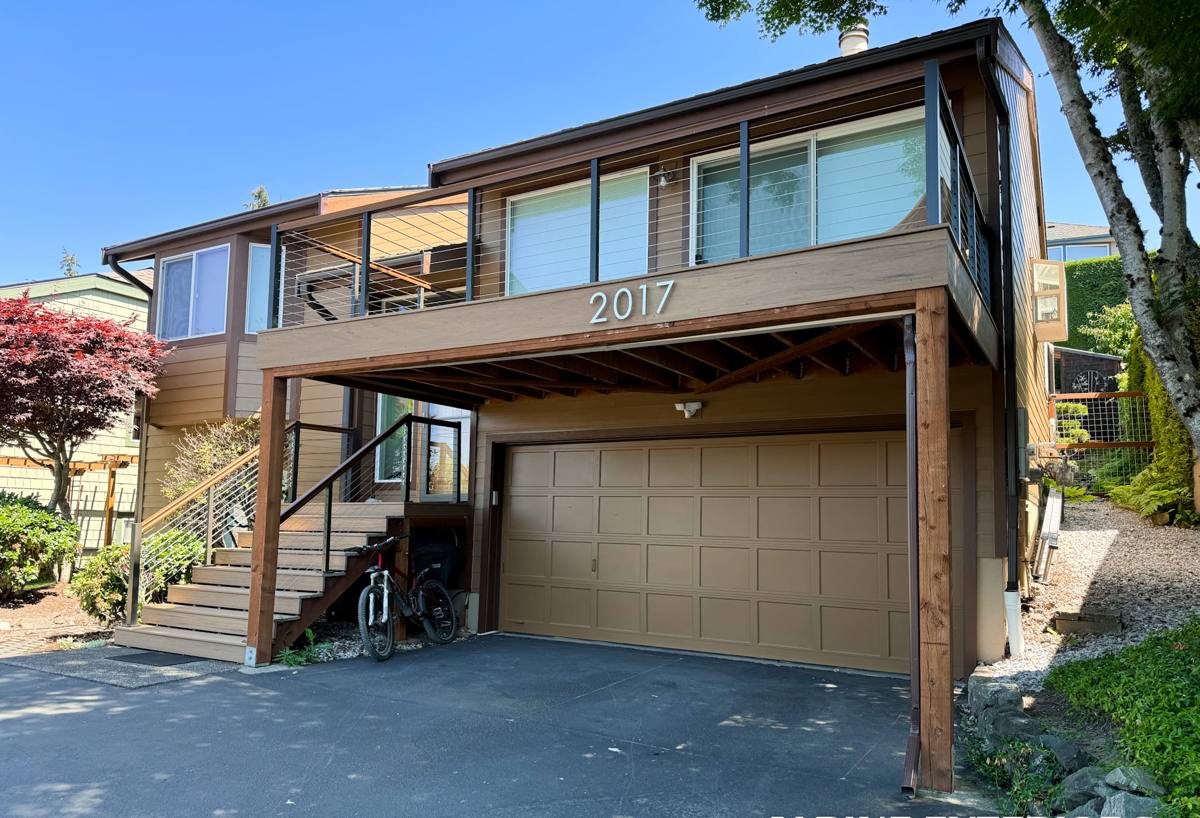
What Bow's Climate Actually Does to a Window Installation
This part of Skagit County gets a specific combination of weather that doesn't show up the same way in, say, Mount Vernon or inland Sedro-Woolley. Three things matter most for new windows going into a Bow build:
Salt Air
Proximity to Samish Bay and the broader Puget Sound means airborne salt reaches exposed metal — hardware, screws, hinges, and cladding fasteners — even on homes that aren't waterfront. Salt-laden air accelerates corrosion on lower-grade fasteners and hardware finishes long before the glass or frame itself shows any wear. On a new build, this is the stage to spec corrosion-resistant fasteners and hardware, because swapping out a corroded hinge on a finished window years later is a much bigger job than choosing the right part now.
Driving Rain
Wind off the water pushes rain sideways, not straight down. That means water pressure gets forced up and under trim and sills in ways a calm-weather installation never has to deal with. A window that would perform fine in a sheltered inland lot needs a properly lapped sill pan, correctly shingled flashing, and sealed integration with the house wrap out here — because wind-driven rain will actively test every gap.
Long Moss Season
Skagit County's wet season runs long, and shaded, north-facing walls common on wooded Bow lots stay damp for months at a time. Moss and algae don't just grow on roofs — they colonize window sills, trim, and the tops of frames wherever moisture sits instead of draining. A new-construction install has to be detailed so water sheds away from the unit, not so it pools where organic growth can take hold and hold moisture against the wood or trim behind it.
What a Correct New-Construction Window Installation Involves
On a new build, the window installer isn't working in isolation — the work has to integrate with the framer's rough opening, the weather-resistive barrier (WRB), and eventually the siding crew's flashing details. The sequence matters as much as the window itself.
- Rough opening check: Confirming the opening is square, plumb, and sized correctly before the window ever goes in — a common source of long-term air and water leaks if skipped.
- Sill pan flashing: A sloped, back-dammed pan under the window sill so any water that gets past the window sheds outward, not into the wall cavity.
- Flashing integration with the WRB: Head, jamb, and sill flashing shingled correctly with the house wrap so water always flows down and out, never behind the barrier.
- Fastening per manufacturer spec: Nailing fins or frame fasteners installed to the window manufacturer's published pattern — this is what keeps warranties valid and the unit performing under wind load.
- Shimming and squaring: Windows shimmed plumb and square in the opening so sashes operate correctly and don't bind or leak air around the frame.
- Insulation and air sealing around the frame: Low-expansion foam or backer rod and sealant between the frame and rough opening, avoiding over-packed foam that can bow the frame.
- Exterior trim and final flashing tie-in: Coordinated with the siding install so the finished exterior sheds water at every joint.
Every one of these steps is invisible once the siding goes up. That's exactly why they can't be rushed — nobody is checking behind the wall again until there's a problem.
Choosing Materials That Hold Up in a Bow Microclimate
Window frame material matters more on a coastal-influenced lot than it does further inland. There's no single "best" window for every house, but the trade-offs are worth understanding before you commit at the framing stage.
| Frame Material | Coastal/Salt-Air Performance | Maintenance |
|---|---|---|
| Vinyl | Won't corrode or rust; performs well in salt air | Low — occasional cleaning, no painting |
| Fiberglass | Very stable in temperature swings and moisture; strong option for exposed elevations | Low — durable finish, minimal upkeep |
| Aluminum-clad wood | Good exterior durability if hardware and cladding seams are corrosion-rated; interior wood needs protection from condensation | Moderate — depends on finish quality and detailing |
| Bare wood | Attractive but more vulnerable to Skagit County's extended wet season without diligent upkeep | Higher — periodic refinishing and sealing |
Hardware finish deserves the same attention as the frame. Standard mill-finish hardware can pit and discolor faster in salt-influenced air than marine-grade or coated hardware. On a new build, this is a low-cost upgrade decision made once, rather than a repair made repeatedly.
Energy Code and Performance — What Washington State Requires
New construction in Skagit County has to meet the Washington State Energy Code, which sets minimum performance requirements for window U-factor (heat loss) and, depending on your compliance path, solar heat gain coefficient (SHGC). These aren't optional upgrades — they're baseline requirements your building permit depends on, and your local building department will check them at inspection.
Beyond the code minimum, a few performance factors are worth thinking about specifically for a Bow lot:
- Condensation resistance: Homes near open water and low-lying, humid ground tend to see more interior condensation on glass and frames in winter. Better-performing glazing packages reduce this.
- Air infiltration rating: Wind exposure on open or elevated Bow lots makes a window's air infiltration rating more relevant than it would be on a sheltered inland site.
- Egress compliance: Bedroom windows must meet Washington's egress size and operation requirements — this gets confirmed at the framing stage, not after the window is installed.
Our Process on a New Build
We work as a subcontractor to your builder or general contractor, which means our schedule has to mesh with framing, WRB installation, and siding — not run on its own timeline.
- Plan review: We review window schedules and rough opening dimensions against the plans before framing is finalized, catching sizing conflicts early.
- Opening verification: Once framing is up, we check every rough opening for square, level, and correct dimension before installation day.
- Flashing and pan installation: Sill pans and flashing go in per manufacturer instructions and best-practice water management sequencing.
- Window set and fastening: Units are set plumb, square, and fastened to spec, then function-tested (open, close, lock) before we move on.
- Air seal and insulation: Perimeter gaps are sealed correctly — no gaps, no over-foaming.
- Handoff to siding: We coordinate flashing tie-in details directly with the siding crew (or handle both under one roof) so there's no gap in accountability between trades.
Why Hire a Crew That Already Works Bow
A lot of new-construction window problems in this area trace back to details that work fine somewhere drier or less wind-exposed but don't hold up here. A crew that regularly works Bow, Edison, and the greater Anacortes area already knows which elevations catch the worst wind-driven rain, which lots hold moisture longer into spring, and how the local building department wants energy code documentation presented. That familiarity shows up as fewer callbacks, not fewer corners cut — it means the flashing detail is already dialed in before the first window goes in the opening, instead of being worked out through trial and error on your house.
It also matters for coordination. Builders in Skagit County know which subs communicate well and show up on schedule. A window crew that's used to working alongside local framers and siding installers keeps your build moving instead of becoming the trade everyone's waiting on.
What Drives Cost on a New-Construction Window Job
| Factor | Why It Matters |
|---|---|
| Number and size of openings | More units and larger sizes (picture windows, sliders) mean more labor and material |
| Frame material selection | Vinyl, fiberglass, and clad-wood carry different upfront costs and long-term maintenance trade-offs |
| Glazing package | Upgraded low-E coatings or gas fills for energy code compliance and condensation resistance add cost but reduce long-term issues |
| Site exposure | Wind- and rain-exposed elevations may warrant upgraded flashing details, which adds labor time |
| Access and staging | Site conditions and how far along framing is when we arrive affect scheduling efficiency |
We'll walk your plans and give you a straightforward range once we know the window count, sizes, and material tier — no inflated numbers, no vague allowances.
A Quick Checklist Before Your Windows Go In
- Rough openings confirmed square, plumb, and correctly sized against the window schedule
- WRB (house wrap) installed and lapped correctly before window set
- Sill pan flashing planned for every opening, not just exposed elevations
- Hardware and fasteners specified for coastal/salt-air durability
- Glazing package confirmed to meet Washington State Energy Code minimums
- Egress requirements confirmed for all bedroom openings
- Flashing tie-in coordinated with the siding trade before exterior finishes go up
If you're framing a new home in Bow and want the window installation handled by a crew that already understands how salt air, wind-driven rain, and this area's long wet season affect a building envelope, we're glad to walk your plans with you. Reach out for a free, no-pressure estimate using the form below.