 Anacortes Siding
 Why Bow Roofs Wear Differently Than Roofs Inland
Bow sits close enough to saltwater that homes here take on a different kind of weather load than roofs twenty miles inland in Skagit County. You've got salt-laden air drifting off the bay, long stretches of driving rain that comes in sideways during winter storms, and shaded, tree-covered lots that stay damp for months at a time. Add in the moss and moisture-loving algae that thrive in our mild, wet Pacific Northwest climate, and you end up with a roof that's fighting on three fronts at once: corrosion, water intrusion, and biological growth.
None of that means a roof in Bow needs to be exotic or overbuilt. It means the materials, fasteners, underlayment, and ventilation choices have to be picked deliberately for this environment, not just installed to the minimum code requirement and called done. A roof system that would hold up fine in a dry inland climate can fail early here if it's missing the right moisture management details.
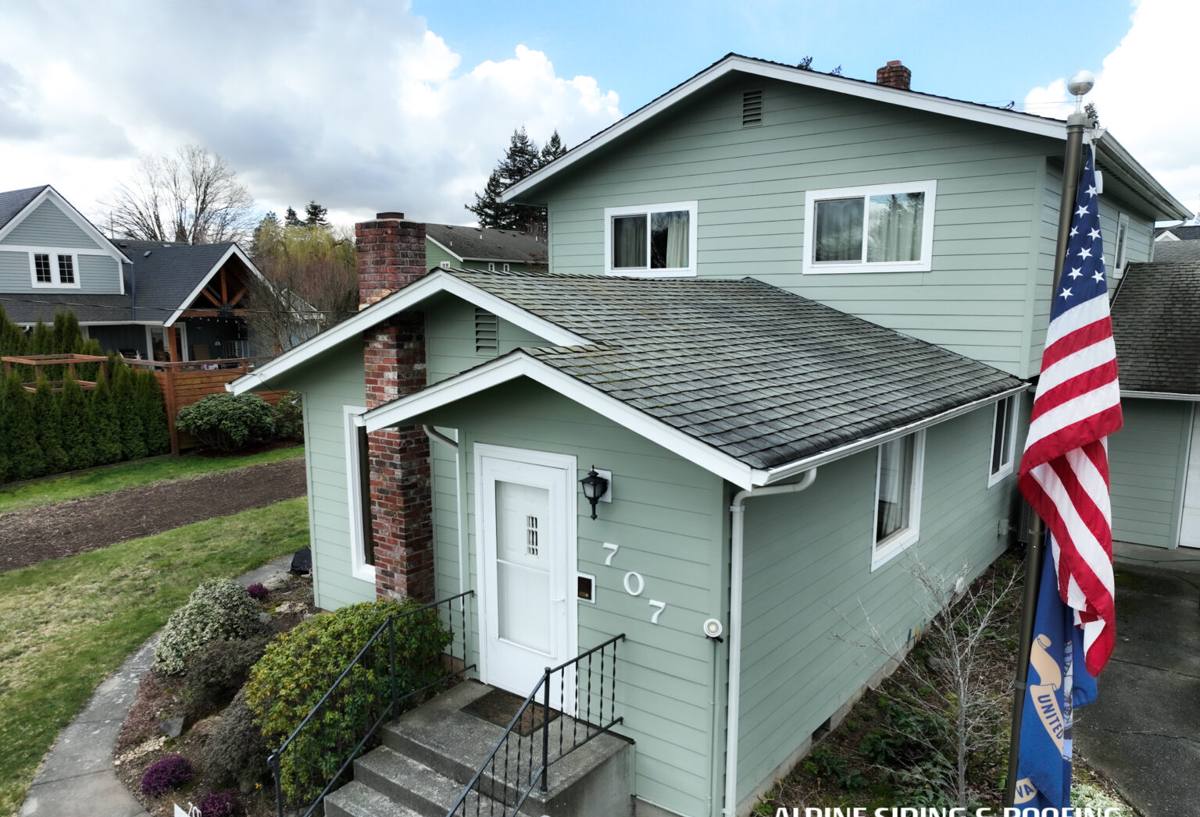
What Salt Air, Rain, and Moss Actually Do to a Roof
Salt Air and Metal Components
Salt air accelerates corrosion on any exposed metal — flashing, fasteners, vents, and gutter hardware. Standard electro-galvanized fasteners can start showing rust streaks and weakening well before their expected lifespan when they're within a mile or two of open water. This is why fastener and flashing material selection matters more here than it does for a roof twenty minutes inland.
Driving Rain and Wind-Driven Water
Storms coming off the water don't always fall straight down. Wind-driven rain gets pushed sideways and upward under shingle edges, around penetrations, and into any gap in the flashing detail. A roof built for a calmer climate — with minimal underlayment coverage or basic flashing at valleys and walls — is exactly the kind of roof that develops leaks during a wind-driven storm even though it looks fine on a dry day.
Moss and Algae in a Long Shoulder Season
Bow's mix of tree cover and consistently damp air means moss and algae have a long growing season here — longer than in drier, sunnier parts of the state. Moss isn't just cosmetic. It holds moisture against the roofing material, lifts shingle edges as it grows, and can work its way under flashing over time. A roof designed with moss in mind uses materials and details that make growth harder to establish and easier to manage, rather than fighting it after the fact.
What a Correct New Roof Installation Actually Involves
A new roof is more than laying down new shingles over what's there. Done right, it's a full system replacement, and each layer has a job:
- Tear-off to the deck: Old roofing is removed completely so the roof deck can be inspected, not just covered up.
- Deck inspection and repair: Any soft, rotted, or delaminated sheathing gets replaced before anything new goes down.
- Ice-and-water shield at vulnerable areas: Self-adhering membrane at eaves, valleys, and around penetrations, where wind-driven rain is most likely to force its way under the roofing.
- Synthetic underlayment across the field: A water-resistant barrier under the whole roof, not just the high-risk spots.
- Flashing at every transition: Valleys, walls, chimneys, skylights, and roof-to-wall junctions — the places where most leaks actually start.
- Balanced ventilation: Intake at the eaves and exhaust at the ridge, sized to move air through the attic and control the moisture that feeds moss and rot.
- Roofing material installed to manufacturer spec: Correct nailing pattern, exposure, and fastener type for the material and the climate.
Skip or shortcut any one of these steps and the finished roof can look identical to a correctly built one — right up until the first hard storm finds the gap.
Choosing a Roofing System for a Bow Property
There's no single "right" roofing material for every home — it depends on your roof's pitch, your budget, how much tree cover you have, and how long you plan to stay in the house. Here's how the common options compare for a coastal Skagit County property:
| Material | Typical Lifespan Here | Salt Air / Moss Considerations | Best Fit |
|---|---|---|---|
| Architectural asphalt shingle | 25–30 years | Algae-resistant granules help; still needs strong ventilation and periodic moss removal | Most homes; best value with proven performance |
| Standing seam metal | 40–50+ years | Needs marine-grade or coated fasteners near the water; sheds moss and debris well due to smooth, steep-shedding surface | Homeowners planning to stay long-term or wanting minimal maintenance |
| Synthetic/composite shingle | 30–50 years | Resists moisture absorption better than wood alternatives; good algae resistance | Homes wanting a shake or slate look without the moisture upkeep |
| Cedar shake | 20–30 years with upkeep | Absorbs moisture, needs regular treatment and moss control in this climate | Homeowners committed to the look and the maintenance schedule |
We'll walk through these trade-offs with you honestly, including where a lower-maintenance option might save money over the life of the roof even if it costs more up front.
Fasteners and Flashing Near the Water
For homes within a couple miles of the bay, we treat fastener and flashing material as a real decision, not an afterthought. Stainless steel or high-quality coated fasteners cost more per piece, but replacing rusted-out fasteners under a roof that's otherwise sound is a bad trade. The same goes for flashing — a heavier-gauge, properly coated flashing at valleys and walls holds up to salt exposure far longer than the minimum-spec version.
Our Installation Process, Step by Step
- On-site assessment: We inspect the existing roof, attic ventilation, and any trouble spots before quoting anything.
- Written estimate: A clear scope of work and material selection, explained in plain terms — no vague line items.
- Scheduling around weather: We plan installs around Skagit County's rain patterns to keep your home protected during the tear-off window.
- Tear-off and deck inspection: Full removal, with any deck repairs documented and discussed before we cover them up.
- Underlayment, flashing, and ventilation installed: The parts that don't show but do the real work.
- Roofing material installed to spec: Correct nailing, exposure, and fastening for the material and this climate.
- Final walk-through: We review the finished roof with you, including care and maintenance specific to your new system.
Why It Matters That We Already Work in Bow
A crew that regularly works properties in Bow and the surrounding Anacortes area already knows which details matter here — where moss tends to build up fastest, which fastener upgrades are worth the cost near the water, and how local wind and rain patterns stress a roof differently than they would twenty miles east. That's not something you can fully substitute with a generic checklist. It comes from doing this work, on this kind of roof, in this specific climate, over and over.
It also means we're not guessing at permitting or code expectations for Skagit County, and we're not learning on your roof how wind-driven rain behaves on a property near open water.
Cost Factors for a New Roof in Bow
Every roof is priced based on its own specifics, but the main variables that move the number are consistent:
| Factor | Why It Affects Cost |
|---|---|
| Roof size and pitch | Steeper and larger roofs take more material, time, and safety setup |
| Number of layers to remove | Tearing off multiple old layers takes longer and adds disposal cost |
| Deck condition | Rotted or soft sheathing needs replacement before new roofing goes down |
| Material choice | Asphalt, metal, and composite systems differ significantly in material cost |
| Flashing and penetration count | Chimneys, skylights, and multiple roof planes add labor and material |
| Ventilation upgrades | Adding proper intake/exhaust ventilation where it's currently insufficient |
We'll walk through which of these apply to your specific roof before you commit to anything, so the estimate reflects your house, not a generic average.
After Installation: Keeping a Bow Roof Healthy
A correctly installed roof still needs some basic upkeep in this climate, especially where moss and moisture are concerned:
- Keep gutters clear of needles and debris so water isn't backing up under the roofline.
- Trim back overhanging branches to reduce shade and debris buildup that feeds moss growth.
- Have moss growth treated or removed before it spreads, rather than waiting until it's heavy.
- Check attic ventilation isn't blocked by insulation or debris, since airflow controls the moisture that drives moss and rot.
- Schedule a periodic roof check after major storms, particularly ones with strong wind off the water.
What to Expect During the Install
Most single-family roof replacements in this area take a few days from tear-off to final cleanup, though the exact timeline depends on roof size, weather windows, and whether deck repairs are needed. We'll give you a realistic schedule up front, including how we plan around rain rather than rushing a roof closed during a storm just to hit a date.
If you're weighing options for a new roof on a Bow property, we're glad to come take a look and give you a straightforward, no-pressure estimate — including what we'd actually recommend for your specific roof and why. Use the form below to get started.