 Anacortes Siding
 Siding Replacement Built for Burlington's Climate
Burlington sits in the flat, damp heart of the Skagit Valley, close enough to the Sound to catch its salt-laden air and close enough to the Cascade foothills to catch heavy, sustained rain off the same weather systems that soak Anacortes. Homes here deal with a specific combination of stresses: near-constant moisture for much of the year, wind-driven rain that gets pushed sideways into wall assemblies, and long stretches of shade and dampness that let moss and algae take hold on siding, trim, and roofing alike. Add in the valley's flat terrain, which slows drying compared to more exposed or sloped sites, and you have a climate that is genuinely hard on exterior materials.
Siding replacement in Burlington isn't just a cosmetic upgrade. It's the single biggest factor in whether a home's walls stay dry, whether paint and caulking hold up year over year, and whether moisture finds its way into sheathing and framing where it does real damage. We install exclusively James Hardie fiber cement siding on every project, including here in Burlington, because it's the product we trust to handle this specific climate without the maintenance headaches or moisture risk that come with the alternatives.
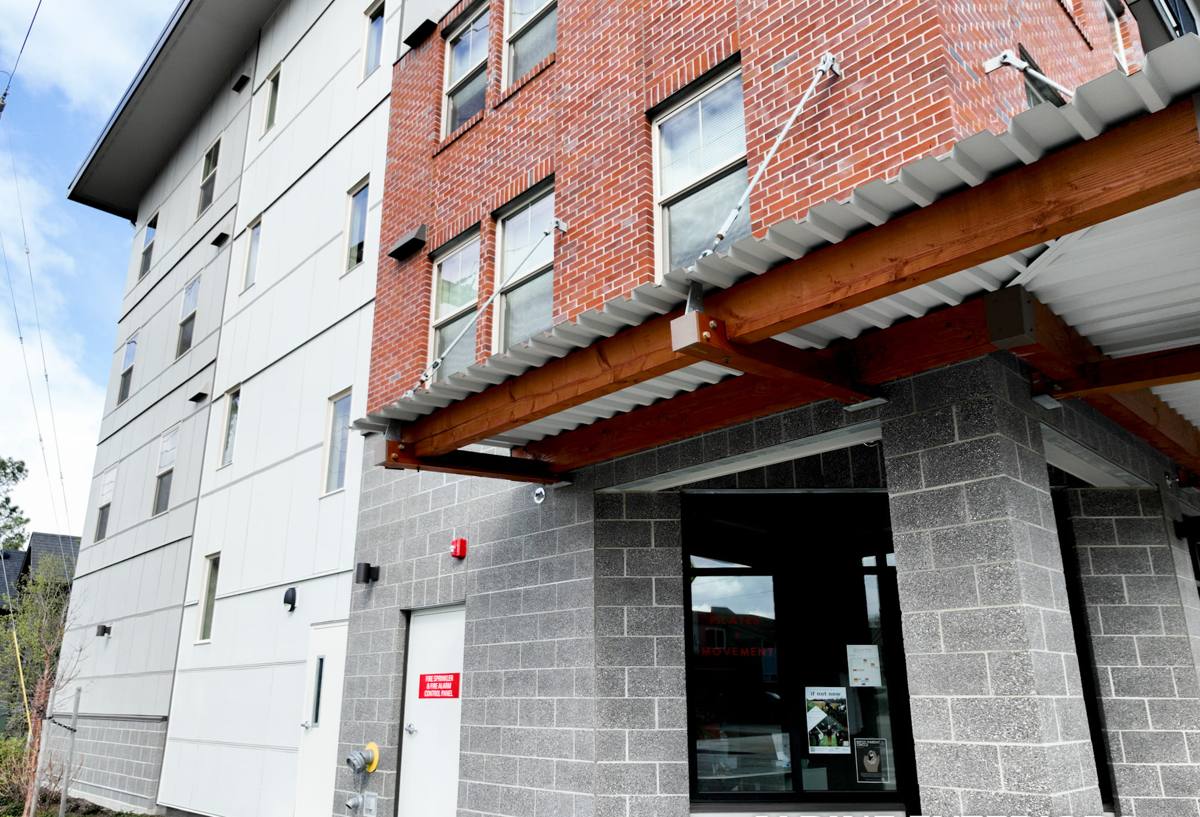
What Burlington's Climate Does to Siding Over Time
Moisture Load and Slow Drying
Skagit County gets a lot of rain, but the bigger issue for siding is how long things stay wet. Burlington's flat valley location, combined with tree cover and close-set lots common in many neighborhoods, means walls that face north or are shaded by mature trees can stay damp for days after a storm passes. Siding materials that absorb moisture, swell, or take on water at seams and edges are at a real disadvantage in that environment.
Moss and Algae Growth
The same dampness that slows drying also feeds moss and algae. On wood-based sidings and even some fiber cement products with weaker factory finishes, you'll see green and black staining develop within a few years, especially on shaded elevations. It's not just cosmetic — moss holds moisture against the surface, which accelerates whatever underlying deterioration is already happening.
Salt Air and Coastal Influence
Burlington is inland compared to Anacortes proper, but it's still close enough to Padilla Bay and the Sound that salt-laden air reaches homes here, particularly on west-facing walls during storm winds. Salt air accelerates corrosion of fasteners and metal flashing and speeds up the breakdown of lower-quality paint finishes, which shows up as chalking, fading, and peeling well before a homeowner expects to repaint.
Wind-Driven Rain
Rain in this region rarely falls straight down during a real storm. Wind pushes it sideways and up under laps, trim edges, and poorly sealed penetrations. Siding systems and installation details that assume calm, vertical rainfall simply don't hold up here — every seam, joint, and penetration has to be treated as a place water will actively try to get in.
Why James Hardie Fiber Cement Fits Burlington Homes
James Hardie fiber cement siding is engineered around exactly these pressures. It's a cement-based composite, not wood or wood-derived, so it doesn't swell, rot, or feed mold and fungus the way organic materials can when they stay damp. Hardie's ColorPlus factory-applied finish is baked on under controlled conditions and holds color and sheen far longer than field-applied paint, which matters directly in a market where UV exposure is lower but moisture exposure is higher — the finish still has to resist moss growth, mildew staining, and the slow chalking that salt air causes on weaker coatings.
Hardie also produces climate-engineered HZ product lines specifically calibrated for different exposure conditions, including wetter, cooler regions like the Pacific Northwest. That means the product arriving on a Burlington job site is formulated for this climate, not a generic national spec. It's also non-combustible, which is a genuine, permanent advantage over any wood-based or engineered-wood product — not a factor tied to regional weather, but one more reason it's the standard we build every project around.
What a Correct Siding Replacement Involves
Replacing siding is as much about what's underneath as what's on the surface. A siding job that only addresses the visible layer and ignores the wall assembly behind it will fail early, no matter how good the siding product is. Our process on every Burlington home covers:
- Full removal of old siding and trim, not overlay installation on top of existing material
- Inspection of the sheathing underneath for water damage, soft spots, or rot before anything new goes up
- Repair or replacement of any compromised sheathing and framing found during removal
- Installation of a code-compliant weather-resistive barrier, properly lapped and sealed
- Correct flashing at every window, door, and roofline intersection — the areas most exposed to wind-driven rain
- Proper fastening, clearances, and joint treatment per James Hardie's published installation specifications
- Factory-finished ColorPlus siding installed with the gaps, caulking, and touch-up standards the warranty requires
Skipping any one of these steps is how a siding job looks fine for a year or two and then starts showing problems — bubbling paint, staining at seams, or soft trim — well before it should. In a climate like Burlington's, the margin for error at flashing and sealing details is smaller than in drier regions, because any gap gets tested by rain almost immediately.
How Our Process Works, Start to Finish
- On-site assessment: We look at your home's current siding, trim, and any visible signs of moisture issues, plus note shaded or exposed elevations that may need extra attention.
- Written estimate: You get a clear scope of work and pricing before anything is scheduled, including what Hardie products and colors are being proposed.
- Removal and inspection: Old siding comes off, and we inspect sheathing and framing before covering anything back up. Any damage found gets flagged and addressed, not hidden.
- Weather barrier and flashing: This is the layer that actually keeps water out long-term, and it gets installed to spec before siding goes up.
- Hardie siding installation: Panels or lap siding installed per manufacturer specifications, with attention to fastening, gaps, and joint treatment.
- Final walkthrough: We go over the finished work with you before calling the job done.
Why Hiring a Crew That Already Works in Burlington Matters
Siding installation quality depends heavily on understanding local conditions, not just following a generic manual. A crew that regularly works Burlington and the surrounding Skagit County area knows which elevations tend to hold moisture longest, how local permitting and inspection processes run, and what detailing actually holds up against this specific mix of rain, humidity, and salt air. That local pattern recognition is hard to substitute for, and it's the difference between a job that looks right on installation day and one that's still performing well ten years later.
It also matters for warranty support and follow-up. A contractor with an established presence in the area is accessible if a question comes up after the job is done, rather than a crew that did one job in the region and moved on.
Cost Factors for Burlington Siding Replacement
Every home is different, but the factors that drive cost are consistent. Rather than quote a number that won't reflect your specific home, here's what actually moves the price:
| Factor | Why It Matters |
|---|---|
| Home size and wall area | More square footage means more material and labor, the largest cost driver on any job |
| Existing siding removal | Multiple layers or difficult-to-remove material (like old vinyl over wood) adds labor time |
| Sheathing or framing repair | Moisture damage found during removal has to be fixed before new siding goes on |
| Siding profile and trim complexity | Lap siding, panel systems, and detailed trim work vary in material and labor cost |
| Home height and access | Two-story sections, steep grades, or limited access require more staging and time |
| Color and finish selection | Standard ColorPlus color options versus custom finishes can affect material cost |
An accurate number only comes from an in-person look at your home, which is exactly what a free estimate is for.
Signs Your Burlington Home Needs Siding Replacement
- Visible warping, buckling, or soft spots when you press on the siding
- Persistent moss or algae staining that returns quickly after cleaning
- Paint that's peeling, bubbling, or chalking heavily, especially on north or west-facing walls
- Cracked or gapped caulking at seams, corners, and trim
- Rising energy bills that suggest air and moisture are getting through gaps in the wall assembly
- Visible rot or discoloration at the bottom edges of siding or around window trim
If you're seeing any of these, the underlying wall assembly may already be affected, which is worth catching early rather than after it spreads.
Get a Free Estimate for Your Burlington Home
If your siding is showing wear, or you're planning ahead before the next wet season sets in, we'd be glad to take a look. We'll walk your home, answer your questions honestly, and give you a clear written estimate with no pressure to move forward. Reach out using the form below to schedule your free consultation.