 Anacortes Siding
 Building Decks for March Point's Marine Climate
March Point sits close enough to Fidalgo Bay and the surrounding saltwater that homes here deal with a different set of conditions than a deck built ten miles inland in Skagit County. The air carries salt. Rain comes in sideways more often than it falls straight down. And for a good chunk of the year, anything horizontal and shaded picks up a slick coat of moss or algae. A deck built to a generic spec sheet will survive here for a while. A deck built for this specific location — with the right hardware, the right decking material, and the right framing details — holds up for decades instead of years.
This page covers what we've learned building and repairing decks in and around March Point and greater Anacortes: what actually fails first, what a correct build looks like, and how we run the job from first look to final walkthrough.
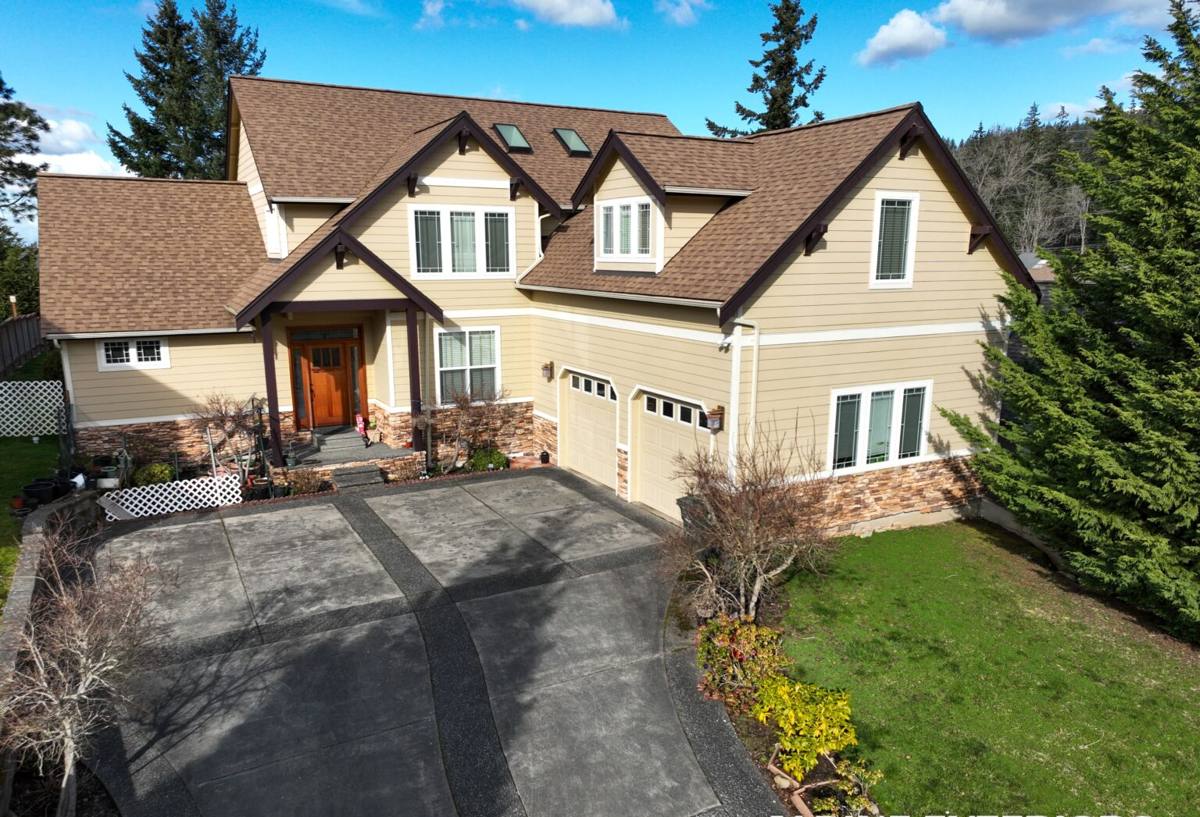
What Salt Air, Driving Rain, and Moss Actually Do to a Deck
Salt air and corrosion
Airborne salt doesn't just sit on a deck's surface — it works into every metal connection point. Standard zinc-coated screws and joist hangers that would last two decades in a dry inland climate can start showing rust bloom in a few short years this close to the water. Once a fastener starts corroding, it loses holding strength long before it looks obviously bad, which is part of what makes this dangerous rather than just cosmetic.
Driving rain and water intrusion
Wind-driven rain doesn't behave like a gentle sprinkle. It gets pushed sideways into ledger board connections, up under poorly lapped flashing, and into any gap in the decking-to-house transition. A deck ledger that isn't properly flashed and separated from the house rim joist is one of the most common rot points we find on older Anacortes-area decks, and it's almost always hidden until the damage is significant.
Moss, algae, and the long wet season
Skagit County's long stretch of overcast, damp weather means shaded or north-facing deck surfaces rarely get a chance to fully dry out between rains. Moss and algae take hold on wood and on some composite surfaces, and once established they hold moisture against the decking material and turn the surface slick and slippery — a real fall hazard on stairs and near doorways.
Decking Material Comparison for This Climate
Every decking material handles salt air, rain, and moss differently. There's no single "best" choice — it depends on your budget, how much upkeep you want to do, and how the deck is oriented and shaded. Here's an honest breakdown of the main options we install:
| Material | Moisture & Moss Behavior | Maintenance | Typical Lifespan Here |
|---|---|---|---|
| Pressure-treated wood | Absorbs moisture, needs sealing to resist moss and checking | Annual cleaning, re-sealing every 2-3 years | 15-20 years with upkeep |
| Cedar | Naturally rot-resistant, still needs finish to resist graying and moss | Re-finishing every 2-4 years | 15-25 years |
| Composite decking | Doesn't absorb water like wood, but moss can still grow on the surface film in shaded spots | Periodic cleaning, no sealing needed | 25-30+ years |
| PVC/capped polymer | Fully moisture-resistant surface, easiest to keep moss from taking hold | Occasional washing | 25-30+ years |
We don't push one product line over another. The honest trade-off is upfront cost versus long-term maintenance: wood is cheaper to install but asks more of the homeowner every couple of years; composite and PVC cost more upfront but ask very little of you afterward. For a March Point property with heavy shade or close water exposure, we usually steer clients toward composite or PVC on the decking surface specifically because it holds up better against the moss cycle — not because wood is a bad material, just because it's a higher-maintenance one in this specific setting.
The Structural Details That Matter Most in This Location
Ledger board flashing and separation
Where the deck attaches to the house is the single most important detail on the whole project. We flash the ledger with a proper water-shedding sequence and use a capillary break so water can't wick between the ledger and the house rim joist. This is the detail that prevents the slow, hidden rot that shows up years later as a soft spot near the door threshold.
Joist protection
Joist tops take direct rain exposure and are one of the first places rot starts once a deck ages. We tape or seal joist tops before decking goes down, which keeps standing moisture from soaking into end grain and fastener holes over time.
Footings and post bases
Skagit County soils and the wet season mean footings need to be sized and set below frost depth and local grade requirements, with post bases that keep the post end grain lifted off the concrete rather than sitting in standing water.
Hardware grade
This is where a lot of decks quietly fail early. Standard exterior-rated fasteners are fine in a lot of the country, but this close to saltwater we upgrade the connection hardware:
| Hardware Type | Standard Grade | Our Approach Near March Point |
|---|---|---|
| Structural screws/bolts | Zinc-coated exterior | Stainless steel or heavy hot-dip galvanized at all structural connections |
| Joist hangers & hardware | G185 galvanized | Marine-grade or stainless where budget allows, especially within a few hundred feet of open water |
| Railing hardware | Standard coated | Stainless fasteners at all visible and structural railing connections |
The cost difference between standard and upgraded hardware on a typical deck is a small fraction of the overall project cost, but it's the difference between hardware that's still solid at year twenty and hardware that's already rusting through at year eight.
Our Process for a March Point Deck Project
- Site visit and assessment. We look at sun and wind exposure, proximity to water, existing structure condition if this is a replacement, and drainage around the footprint.
- Design and material selection. We walk through decking material trade-offs based on your budget, maintenance appetite, and how exposed the deck is to weather.
- Permitting. Deck projects in Skagit County typically require permitting depending on size, height, and attachment to the structure — we handle this as part of the job so nothing gets built off the books.
- Framing and structural work. Footings, ledger flashing, joist protection, and hardware selection all happen at this stage — this is the part of the job that determines how the deck ages, even though it's the least visible once finished.
- Decking, railing, and finish work. Surface material goes down, railings are set, and all fastener and hardware details are finished to the standard above.
- Final walkthrough. We go over the finished deck with you, including what maintenance it will actually need given its exposure and orientation.
Railings and Code Requirements
Guard railing height, baluster spacing, and stair rail requirements are set by building code, not by preference, and we build to those requirements regardless of railing style. Beyond code minimums, railing material matters for this climate the same way decking does — wood railings need the same sealing schedule as wood decking, while metal or composite railing systems need the same fastener-grade attention as the deck's structural hardware. A railing that looks fine but was hung with standard-grade screws is a hidden liability near saltwater exposure.
Maintaining a Deck Through Anacortes' Wet Season
Even a well-built deck needs some seasonal attention in this climate. Here's what we recommend to clients after a build:
- Clean moss and algae off the surface at least once a year, ideally before the wettest months set in — a stiff brush and a mild deck cleaner is usually enough; avoid pressure washers on wood at high pressure, which can damage the surface fibers.
- Check and clear debris from between deck boards and around drainage points so water isn't trapping leaves or needles against the surface.
- Inspect ledger board flashing and any visible fastener heads once a year for early rust or gaps in caulking.
- Re-seal wood decking and railings on the schedule appropriate to the finish product used — waiting too long lets moisture back into the wood.
- Keep an eye on stair treads and any shaded corners specifically, since these hold moss longest and become slip hazards first.
Why a Local Anacortes Crew Matters for This Job
A deck built by a crew that hasn't worked this specific stretch of coastline will often default to standard hardware and standard details because that's what works in most of the country. A crew that already builds and repairs decks around March Point and greater Anacortes has already seen which fastener grades hold up, which decking materials handle the moss cycle best, and which ledger and flashing details actually keep water out through a real Pacific Northwest wet season — not a theoretical one. That local track record is the difference between a deck that needs real attention at year eight and one that's still solid at year twenty-five.
If you're planning a new deck or replacing one that's showing its age in the March Point area, we're happy to come take a look, walk you through material and hardware options honestly, and put together a free, no-pressure estimate using the form below.