 Anacortes Siding
 Ship Harbor's Windows Live a Harder Life Than Most
Homes near Ship Harbor sit close enough to the water that their windows deal with a different set of stresses than a house twenty miles inland. Salt-laden air corrodes hardware and finishes faster. Wind-driven rain off Rosario Strait and the surrounding waters pushes moisture into gaps that would stay dry elsewhere. And the long, wet moss season that defines this stretch of Skagit County keeps window sills, tracks, and surrounding trim damp for months at a time. None of that is dramatic on its own, but stacked up year after year, it's exactly the kind of slow wear that turns an ordinary window replacement into a bigger repair if it's put off too long.
Custom windows done right in this neighborhood aren't about upgrading style for its own sake — they're about matching the window, the flashing, and the installation method to what this specific location actually throws at a house.
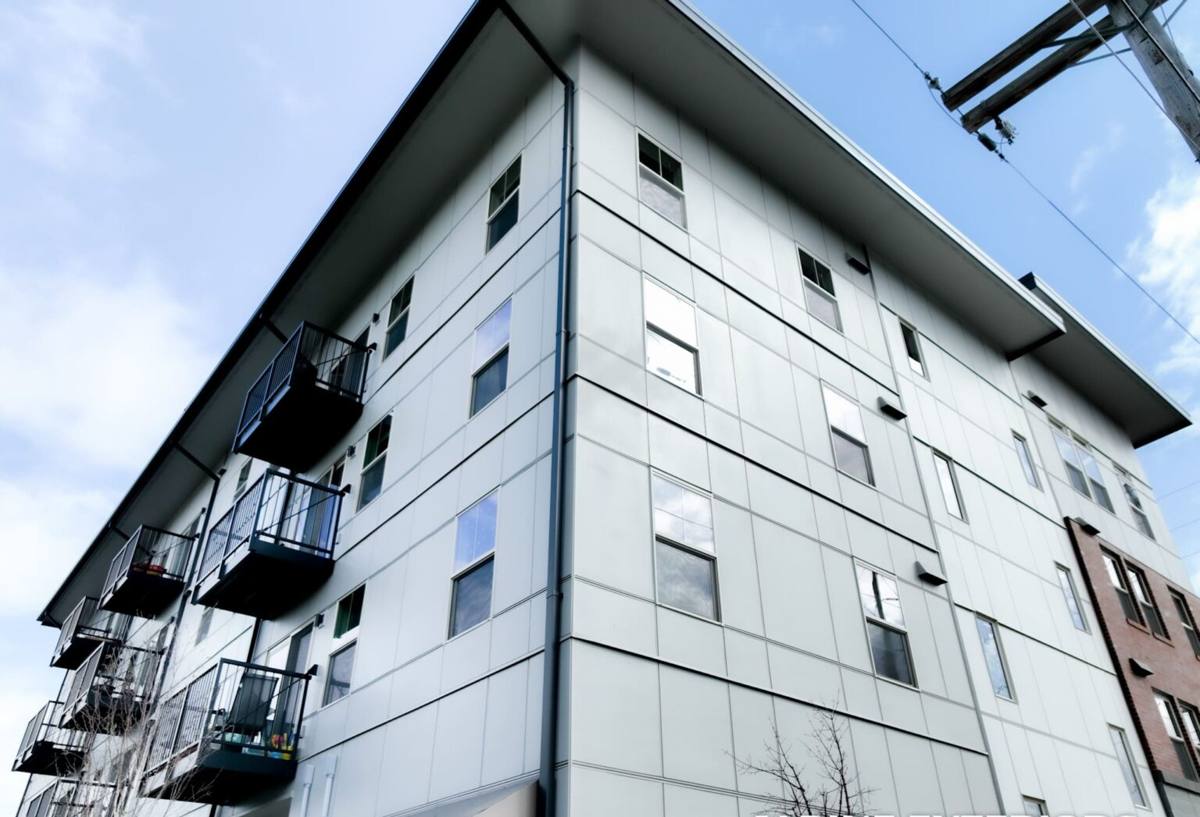
What "Custom" Really Means Here
"Custom" doesn't have to mean an unusual shape or a premium finish, though we do plenty of that too. In Ship Harbor, it more often means:
- Sizing windows to fit existing rough openings precisely, rather than forcing a stock size and packing the gaps with extra trim
- Matching sightlines and grid patterns across additions or mismatched window ages on the same elevation
- Choosing glass packages and frame materials based on which side of the house takes the worst weather
- Detailing flashing and sealant differently on wind-exposed walls versus more sheltered ones
A home a few blocks from the water might need every window treated like it's wind-exposed. A home tucked behind trees or a rise in the land might only need that level of detail on one or two elevations. Part of our job is figuring out which is which before we quote anything.
Matching Windows to Siding and Trim Work
Because we're a siding contractor first, we look at windows as part of the building envelope, not as a standalone product. If your siding or trim is due for attention in the next few years, it's worth talking about sequencing — window flashing integrates with the water-resistive barrier and siding behind it, and doing both at once avoids paying twice to open up the same wall.
Materials That Hold Up Near Salt Air
Every frame material has trade-offs, and we'd rather explain them honestly than oversell one option.
| Frame Material | Strengths | Watch-outs Near the Water |
|---|---|---|
| Vinyl | Low maintenance, good value, wide range of colors | Lower-end vinyl can chalk or become brittle faster under UV and salt exposure; we stick to heavier-gauge profiles |
| Fiberglass | Very stable dimensionally, holds paint well, strong against temperature swings | Higher upfront cost; benefits show up most over a decade-plus lifespan |
| Wood-clad | Warm interior look, good insulating properties | Cladding must be fully sealed at every joint — any breach lets moisture reach the wood core, which is a real risk in a wet marine climate |
| Aluminum | Slim sightlines, good for larger openings | Conducts cold and can corrode without marine-grade coatings; we use it selectively |
We don't push wood-clad windows on exposed, water-facing walls unless the cladding and detailing are genuinely built for it — not because the product is bad, but because our standard is that a window installed on this coastline should not depend on perfect long-term maintenance to stay watertight.
Glass Packages Worth Paying For
Double-pane, low-E glass is the baseline we recommend for this area. On homes with direct wind exposure or road noise from nearby traffic corridors, triple-pane or laminated glass options add real value — better sound dampening and less condensation risk on cold, humid mornings, which are common here for a good stretch of the year.
What a Correct Installation Actually Involves
Most window failures we get called out to inspect aren't failures of the window itself — they're failures of the installation around it. In a climate that sees this much sustained rain and humidity, the details matter more than the brand on the label.
- Remove the old window and inspect the rough opening for hidden rot or prior water damage before anything new goes in
- Repair or rebuild any compromised framing — never install a new window into a wet or soft opening
- Install self-adhered flashing membrane, properly lapped with the existing water-resistive barrier, sloped to shed water outward
- Set the window level, plumb, and square, shimmed correctly at load points
- Seal and insulate the gap between frame and rough opening without over-packing, which can bow the frame
- Apply exterior sealant at the correct joints only — sealing the wrong spots can trap water instead of keeping it out
- Finish trim and siding tie-in so water sheds past the window, not into it
Skipping or rushing any one of those steps is how a window that's rated for decades ends up leaking within a few winters.
Our Process, Start to Finish
1. On-Site Assessment
We walk the exterior and interior with you, note which elevations take the worst weather, and check existing sills and framing for early signs of moisture damage — soft wood, staining, or musty smells near window openings are common early flags in this climate.
2. Honest Quote
You get a written estimate that breaks out material choice, glass package, and labor, with the reasoning behind each recommendation — not just a single bottom-line number.
3. Scheduling Around Weather
We plan installation days around forecasts, not just our calendar. Openings don't sit exposed to rain overnight if we can help it.
4. Installation and Flashing Detail
This is where the steps above happen, done in order, with no shortcuts on flashing or sealant placement.
5. Walkthrough
We check operation, seal lines, and trim finish with you before calling the job done.
Signs Your Current Windows Are Already Behind
Given how much moisture this area sees, it's worth watching for these before a small issue becomes a wall repair:
- Persistent fogging or moisture between panes (a sign the seal has failed)
- Soft or discolored trim and sills, especially on north- or west-facing walls
- Visible moss or dark streaking building up around the frame faster than on the rest of the siding
- Windows that stick, won't latch fully, or let in a draft you can feel by hand
- Paint or finish failing on the frame well before the rest of the exterior
What Affects Cost
| Factor | Why It Matters |
|---|---|
| Frame material | Vinyl is the most budget-friendly; fiberglass and wood-clad cost more upfront but change long-term maintenance |
| Glass package | Triple-pane and laminated options cost more but pay off in comfort and condensation resistance |
| Opening condition | Hidden rot or framing repair adds labor that can't be known until the old window is out |
| Wall exposure | Wind-exposed elevations may warrant upgraded flashing details that add modest labor cost |
| Number and size of openings | Larger or unusually shaped windows are typically special-order, affecting both price and lead time |
We'd rather walk you through these trade-offs during the estimate than quote a flat number that hides what you're actually paying for.
Why Local Experience in Ship Harbor Matters
A crew that mostly works inland doesn't always think to check for the same things we check for automatically here — how far a wall sits from open water, which direction the prevailing weather comes from, or how quickly moss reestablishes itself on a north-facing sill. Anacortes and the surrounding Skagit County coastline have their own weather personality, and a window installation that would hold up fine in a drier part of the state can underperform here if it's not detailed for this specific exposure. Working this neighborhood regularly means we've already seen how these homes age, and we build accordingly rather than guessing.
Maintaining Custom Windows in a Marine Climate
- Rinse salt residue off frames and glass periodically, especially after storms with onshore wind
- Clear moss and debris from sills and tracks before it holds moisture against the frame
- Check exterior sealant lines yearly for cracking or separation
- Operate hardware a few times each season so mechanisms don't seize from disuse and humidity
- Have flashing and trim inspected if you notice any staining below a window on the siding
If you'd like a straightforward, no-pressure look at what your windows in Ship Harbor actually need, we're glad to come take a look and give you a written estimate — no obligation, just an honest read on where things stand.