 Anacortes Siding
 Building New in Edison? Your Windows Are Doing More Work Than You Think
If you're framing a new home or outbuilding in or around Edison, the windows aren't just a finish item you pick out of a catalog. They're one of the few places in the building envelope where the weather-resistive barrier, the framing, and the exterior cladding all have to meet up perfectly. Get that intersection right and the window will perform for decades. Get it wrong, and you won't know until water starts showing up somewhere it shouldn't — usually a few winters later, when it's a lot more expensive to fix.
Edison sits in a stretch of Skagit County where low-lying farmland meets tidal water, which means new construction here deals with a different weather load than a subdivision further inland. Salt-tinged air, wind-driven rain off the water, and a long damp season all put extra demands on window materials, hardware, and installation detail. We install new-construction windows throughout this area and build our process around exactly those conditions, not a generic install method borrowed from a drier climate.
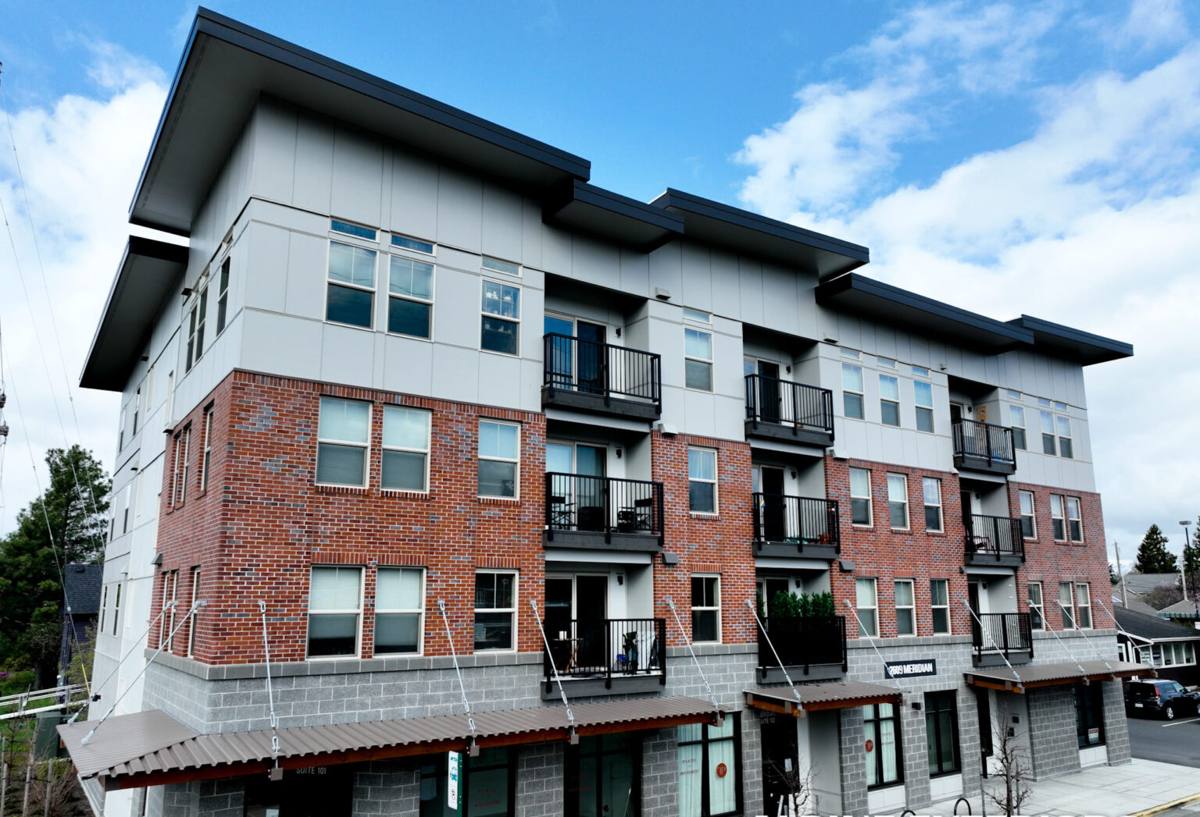
What Edison's Climate Asks of a New Window Install
Salt Air and Corrosion
Homes near the water in this part of Skagit County are exposed to a steady low level of salt in the air. Over years, that air attacks unprotected fasteners, cheap balance hardware, and low-grade aluminum trim. It rarely causes a dramatic failure — it just quietly shortens the life of anything that wasn't specified with corrosion resistance in mind. On a new build, this is the cheapest possible time to address it, since you're choosing hardware and cladding from scratch instead of retrofitting later.
Driving Rain and Wind-Driven Water
Rain that falls straight down is easy for a building envelope to handle. Rain that's being pushed sideways by wind is not — it finds gaps in flashing, undersized sills, and sealant that was applied instead of proper lapped drainage. Edison's open, exposed farmland setting means wind-driven rain is a regular event, not a rare storm scenario. A new-construction window opening has to be built to shed that water outward and downward at every layer, with the window as one part of a full drainage plane rather than the only line of defense.
Moss Season and Prolonged Dampness
Western Skagit County's moss season runs long — months of low sun, high humidity, and surfaces that rarely fully dry out. On windows, that shows up as algae and moss staining on sills and trim, slow-draining tracks, and, if the opening wasn't built with a way for incidental moisture to escape, slow rot in the surrounding framing. New construction gives you the chance to build in real drainage paths from day one instead of fighting this after the fact.
New Construction vs. Replacement: Why the Approach Is Different
We get asked fairly often why a "new-construction window install" is treated as its own specialty rather than just a variation on a replacement job. The honest answer is that the two jobs solve different problems, and using replacement technique on a new opening (or vice versa) leads to real performance issues.
| Factor | New Construction | Replacement |
|---|---|---|
| Window type | Nail-fin (flange) units set into open framing | Insert units set into an existing frame |
| Access to flashing | Full access to sheathing, house wrap, and framing | Limited — existing siding and trim stay in place |
| Sill drainage | Built from scratch with pan flashing and sloped sill framing | Depends on the condition of the original opening |
| Sequencing | Coordinated with house wrap, trim, and siding crews | Standalone job, fit around existing exterior finishes |
| Long-term risk if done wrong | Hidden water intrusion behind new siding | Localized leak at the window itself |
Because a new-construction window is installed before the siding goes on, there's no excuse for cutting corners on flashing — everything is visible and accessible. That's exactly why the detail work matters so much: this is the one point in the building's life when doing it right costs almost nothing extra, and doing it wrong gets sealed up behind cladding for the next several decades.
What a Correct New-Construction Window Install Involves
A proper install follows a specific sequence, and skipping steps or doing them out of order is where most window-related water problems start.
- Rough opening check. We verify the opening is square, plumb, and sized correctly to the window schedule before anything gets installed — fixing framing after the window is in is far more disruptive.
- Sill pan flashing. A sloped, back-dammed sill pan is built or installed at the base of the opening so any water that does get past the window drains back outward instead of pooling on the framing.
- House wrap integration. Flashing tape and the house wrap itself are lapped in the correct shingle order — starting at the sill, then jambs, then head — so water always sheds downward and outward, never into a seam.
- Setting the window. The unit is set into the pan, checked for level and square, and fastened through the nailing fin per the manufacturer's schedule — not just "enough nails to hold it."
- Jamb and head flashing. Flashing continues up and over the fin on both sides and across the top, tying back into the house wrap above the opening.
- Sealant, applied correctly. Sealant goes where it's supposed to control air and bulk water — not smeared across the entire fin, which can trap water inside the wall instead of letting it drain.
- Interior air sealing. The gap between the rough framing and the window frame is sealed with a compatible foam or sealant to control drafts and condensation without restricting the window's structural clearance.
Every one of these steps matters more, not less, in a climate with driving rain and a long wet season. Miss the sill pan or get a flashing lap backwards, and the mistake stays hidden until it's a repair project.
Choosing Materials and Glass for This Climate
New construction is also the point where material choice is easiest to get right, since you're not constrained by an existing frame size or finish.
Frame Material
Vinyl frames are a solid, cost-effective choice for most new builds and hold up well against salt air since they don't corrode. Fiberglass frames cost more but offer greater dimensional stability and strength, which matters on larger openings or in more exposed wall sections. Wood-clad windows can look excellent but demand more upkeep in a damp, mossy climate — we're honest with clients about that maintenance trade-off rather than pushing a product that doesn't fit a rural, exposed Edison site.
Hardware and Fasteners
We spec corrosion-resistant hardware and fasteners as standard on new-construction jobs in this area, not as an upgrade. Standard-grade hardware that's fine forty miles inland doesn't hold up the same way this close to salt-influenced air.
Glass Packages
Dual-pane, low-E glass with argon fill is the practical baseline for this climate — it manages both heat loss and condensation risk better than basic clear glass. For homes with more wind exposure, we'll talk through impact-resistant or heavier-gauge glass options where it makes sense for the specific site.
Our Process for Edison New-Construction Projects
- Plan and window schedule review. We go over your builder's plans and window schedule to confirm sizes, styles, and any structural notes before ordering.
- Rough opening verification on site. Before install day, we confirm every opening matches the ordered units — catching a mismatch now is far cheaper than after delivery.
- Flashing and installation. Each window is installed following the sequence above, matched to the manufacturer's specific instructions for that product line.
- Coordination with other trades. We time our work with your siding, trim, and house wrap crews so the drainage plane stays continuous with no gaps in coverage.
- Final walkthrough. We check operation, seals, and flashing coverage on every unit before signing off.
Why a Crew That Already Works Edison Matters
New-construction window work isn't just about knowing how to install a window — it's about knowing how this particular stretch of Skagit County behaves. That means understanding how exposed a given lot is to wind and salt-laden air, building drainage details that account for a genuinely long wet season, and sequencing our work correctly with the siding and trim crews on your job rather than working in isolation. It also means being familiar with the local permitting and inspection process, so window installs pass review the first time instead of triggering delays on your build schedule. A crew that's done this repeatedly in the area isn't guessing at any of it.
Cost Factors for New-Construction Windows
Every new build is different, but the same handful of factors drive most of the cost variation we see on new-construction window packages in this area.
| Factor | Why It Affects Cost |
|---|---|
| Number and size of openings | More and larger units mean more material and labor |
| Frame material | Vinyl, fiberglass, and wood-clad carry different material costs and install time |
| Glass package | Upgraded low-E coatings or impact-resistant glass add cost per unit |
| Opening complexity | Custom shapes, large picture windows, or multi-unit combinations take more flashing and labor time |
| Site access and stage of construction | Installing before vs. after other exterior work affects scheduling and efficiency |
We'll walk through these factors specific to your plans during your estimate so there are no surprises once the order is placed.
Keeping New Windows Performing for the Long Haul
A correctly installed window still benefits from a little seasonal attention, especially in a climate that stays damp for much of the year.
- Check exterior sealant lines once a year for cracking or separation, especially after a hard winter
- Keep weep holes and sill tracks clear of moss, leaves, and debris so water can drain as designed
- Watch for moss or algae buildup on sills and trim and clean it off before it holds moisture against the frame
- Check for fogging or moisture between panes, which signals a failed seal on the glass unit itself
- Lubricate hardware and tracks periodically to keep operation smooth in damp conditions
- Have flashing and trim inspected if you notice any staining or soft spots on interior sills or nearby drywall
If you're planning a new build or addition in Edison and want windows installed the way this climate actually requires, we're happy to walk your plans and give you a straightforward, no-pressure estimate — just fill out the form below.