 Anacortes Siding
 Metal Roofing Built for Sedro-Woolley's Weather
Sedro-Woolley sits in the Skagit Valley, far enough inland to escape the worst of the coastal storms that hit the San Juan Islands and Anacortes waterfront, but still squarely inside Skagit County's wet, marine-influenced climate. That means long stretches of steady rain, humid air that lingers in the valley, and shaded, tree-lined lots where moss and moisture problems build up quietly over years. A roof here doesn't just need to shed water once during a storm — it needs to do it reliably, week after week, for decades.
Metal roofing has become a popular answer for homeowners in this area who are tired of replacing asphalt shingles every 15 to 20 years or scraping moss off their roof every spring. Done correctly, a metal roof can outlast two or three shingle roofs, shed moss and debris more easily, and hold up to the kind of persistent rain the Skagit Valley is known for. Done poorly, though, a metal roof can trap moisture, corrode at the fasteners, or fail at the seams — which is why the installation details matter as much as the material itself.
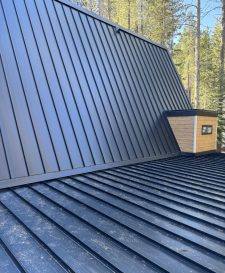
What Sedro-Woolley's Climate Does to a Roof
Before talking about metal roofing specifically, it helps to understand what local homes are actually up against.
Persistent Rain and Moisture
Skagit County doesn't usually get dramatic downpours — it gets long, steady rain that soaks into anything with a weak point. Roofs with aging flashing, worn underlayment, or degraded seals don't fail all at once; they let water in slowly, over months, often without an obvious sign until there's staining on a ceiling or rot in the decking below.
Moss and Organic Growth
Wooded lots, cooler temperatures, and consistent moisture are exactly the conditions moss and algae need to thrive. On asphalt shingles, moss roots into the granules and lifts them, shortening the roof's life. On a properly installed metal roof, there's far less texture for moss to grab onto, and smooth panel surfaces shed spores and debris much more readily during normal rain.
Marine Air and Temperature Swings
Even well inland from the water, the Skagit Valley sees marine-influenced air moving through, along with the freeze-thaw cycles of a Pacific Northwest winter. Metal expands and contracts with temperature changes, and any roofing system exposed to salt-tinged coastal air over time needs fasteners, coatings, and flashing rated for that environment — not just standard hardware store parts.
Why Metal Roofing Fits This Area
Metal roofing isn't the right fit for every home or every budget, but for Sedro-Woolley's climate specifically, it solves several problems at once:
- Fast water shedding — steep-profile panels and standing seams move rain off the roof quickly instead of letting it sit against shingle edges or granules.
- Moss resistance — smooth, hard surfaces give moss and algae far less to grip compared to textured shingles.
- Long service life — a correctly installed metal roof commonly lasts 40 to 60+ years, well beyond the typical shingle replacement cycle.
- Lower long-term maintenance — fewer moss treatments, fewer emergency patch repairs, and less frequent full replacement.
- Snow and debris shedding — panels release accumulated needles, leaves, and light snow more readily than a rough shingle surface.
Metal Roofing Options Compared
Not all metal roofing is the same, and the right choice depends on your home's style, roof pitch, and budget. Here's how the most common options compare for a home in this area:
| Type | Best For | Moss/Moisture Performance | Typical Lifespan |
|---|---|---|---|
| Standing seam panels | Most roof styles; clean, modern look | Excellent — raised seams and no exposed fasteners on the field of the panel | 40–60+ years |
| Exposed-fastener metal panels | Budget-conscious projects, outbuildings, some homes | Good, but fastener seals need periodic inspection | 30–45 years |
| Stone-coated steel/metal shingles | Homeowners who want a traditional shingle look with metal performance | Very good; textured but non-organic surface | 40–50+ years |
We'll walk through which option makes sense for your specific roof during the estimate — pitch, existing structure, and how visible the roof is from the street all factor into that recommendation.
What a Correct Metal Roof Installation Actually Involves
The material is only part of the equation. Most metal roof problems we get called out to fix in Skagit County trace back to installation shortcuts, not the panels themselves.
Underlayment and Moisture Barrier
A high-temperature, self-adhering underlayment beneath the metal is what actually protects the deck if any moisture ever works its way past the panels — which matters in a climate where rain isn't an occasional event but a season-long condition.
Fasteners and Flashing
Fasteners and flashing need to be corrosion-resistant and matched to the panel material to avoid galvanic reactions between dissimilar metals. Flashing details around valleys, chimneys, and roof-to-wall transitions are where the majority of leaks originate on any roof type, and metal is unforgiving of sloppy flashing work — it's meant to be a precision system, not a patchwork one.
Ventilation
Metal roofs perform best with proper attic and roof ventilation. Without it, condensation can form on the underside of the panels in cold, humid weather — a detail that's easy to overlook and expensive to correct after the fact.
Panel Alignment and Seaming
Standing seam panels rely on tight, consistent seaming to stay watertight and to allow for thermal expansion without buckling. This is a skill that takes real field experience, not just a set of tools.
Our Process for a Sedro-Woolley Metal Roof
- On-site inspection — we assess your existing roof structure, decking condition, pitch, and any moss or moisture damage already present.
- Honest recommendation — we'll tell you which metal roofing option fits your home and budget, and whether a full tear-off or a different approach makes more sense.
- Tear-off and deck prep — old roofing is removed and the deck is inspected and repaired as needed before anything new goes down.
- Underlayment and flashing — moisture barrier, flashing, and ventilation components are installed to the standard the panel manufacturer requires.
- Panel installation — panels are installed and seamed with attention to alignment, fastening, and expansion allowance.
- Final walkthrough — we review the completed roof with you and clean up the site fully before we leave.
Moss and Maintenance: What to Expect After Installation
Metal roofing dramatically reduces moss problems, but "resistant" isn't "immune" — shaded valleys, debris buildup in gutters, and overhanging branches can still create damp pockets over time. A little routine attention keeps a metal roof performing the way it's supposed to for decades:
- Clear leaves and needles from valleys and gutters at least once or twice a year, especially on tree-shaded lots common around Sedro-Woolley.
- Trim back branches that overhang the roofline to reduce shade and debris accumulation.
- Have flashing and seams visually checked periodically, particularly after major wind events.
- Avoid pressure washing metal panels — it can damage coatings and force water under seams; a soft rinse is sufficient.
- Address any scratches or coating damage promptly to prevent isolated corrosion points.
Cost Factors to Understand
Metal roofing costs more upfront than asphalt shingles, but the comparison isn't apples to apples once you factor in lifespan and reduced maintenance. What actually drives the price on a given job:
| Factor | Why It Matters |
|---|---|
| Panel type | Standing seam typically costs more than exposed-fastener panels due to labor and material |
| Roof complexity | Valleys, dormers, and multiple roof planes add flashing work and labor time |
| Tear-off vs. overlay | Full removal of old roofing adds cost but is often the right call for long-term performance |
| Deck condition | Rot or damage found during tear-off may require repair before installation |
| Ventilation upgrades | Older homes may need added ventilation to perform properly with a metal roof |
We give straight, itemized estimates so you know what you're paying for and why — no vague lump-sum numbers.
Why a Local Skagit County Crew Matters
A roofing crew that regularly works Sedro-Woolley and the surrounding Skagit County area already understands the local permit process, the moss and moisture patterns specific to this valley, and how homes here are typically built and vented. That familiarity translates into fewer surprises during the job and a roof system that's actually specified for the conditions it has to survive — not a generic install pulled from a manual written for a drier climate. It also means someone is nearby and accountable if a question or issue comes up after the job is done, rather than a crew that drove in from out of the area for one project.
Get a Straightforward Estimate
If you're weighing metal roofing for a home in Sedro-Woolley, we're happy to take a look, answer your questions honestly, and give you a clear estimate with no pressure to decide on the spot. Use the form below to request a free estimate and we'll go from there.