 Anacortes Siding
 Deck Repair Built for Ship Harbor's Coastal Conditions
Ship Harbor sits close enough to the water that its decks take a different kind of beating than decks a few miles inland. Salt-laden air, wind-driven rain off Rosario Strait, and the deep shade many of these lots get from surrounding fir and cedar all combine to shorten the life of decking, fasteners, and structural framing. A deck repair that would hold up fine in a drier part of Skagit County can fail early here if it wasn't built or repaired with these specific conditions in mind.
We work on decks throughout Anacortes, and Ship Harbor properties get a specific kind of attention because of where they sit. This page walks through what actually goes wrong with decks in this neighborhood, what a proper repair involves, and how we approach the work so it lasts.
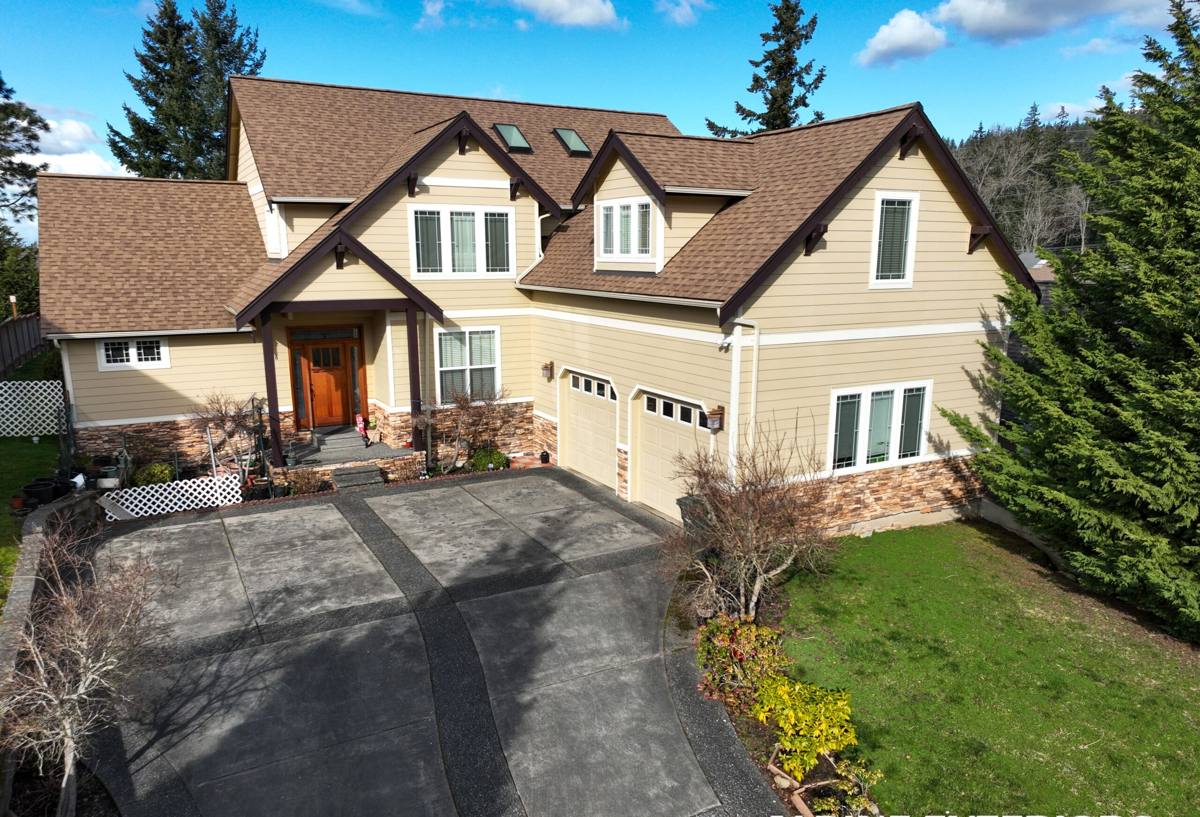
Why Ship Harbor Decks Wear Differently
Salt Air and Metal Fasteners
Airborne salt from the strait accelerates corrosion on anything metal — nails, screws, joist hangers, and structural connectors. Once a fastener starts to rust, it loses grip strength long before the corrosion is visible from the surface. On older decks we open up, it's common to find hardware that looks intact from below but crumbles under a screwdriver. This is one of the most frequent hidden causes of a deck that feels "soft" or slightly bouncy even when the boards themselves look fine.
Driving Rain and Water Intrusion
Storms coming off the water tend to drive rain sideways rather than straight down, which pushes moisture into places a typical rain event wouldn't reach — under railings, behind ledger boards, into end grain at board edges, and around post bases. Standing water is an obvious problem, but sideways-driven rain causes damage in spots homeowners rarely check, which is why deck rot often shows up first at connection points rather than in the open field of the deck.
Moss, Shade, and a Long Wet Season
Many Ship Harbor lots have mature tree cover, and combined with our long stretch of overcast, damp weather, that shade keeps deck surfaces from drying out between rain events. Moss and algae take hold in those conditions, and beyond being a slip hazard, they hold moisture directly against the wood surface for extended periods. A deck that gets full sun dries out between storms; a shaded deck in this neighborhood often doesn't get that chance for weeks at a time during our wetter months.
Common Deck Repair Issues We Find in Ship Harbor
- Soft or spongy decking boards — usually moisture trapped between boards or at butt joints where water collects and can't drain.
- Corroded or failing fasteners — screws that back out, nails that have lost holding power, or joist hangers rusted thin.
- Ledger board rot — where the deck attaches to the house, a common failure point if flashing was installed poorly or is missing.
- Post base deterioration — wood posts sitting in or near standing water at grade level, especially on older decks without proper post bases.
- Railing post wobble — loose connections from corroded lag bolts or rot at the post-to-frame connection.
- Persistent moss and algae buildup — cosmetic at first, but it accelerates surface wear and creates a fall hazard.
- Stair stringer wear — stairs see concentrated foot traffic and water runoff, so they often need attention before the rest of the deck.
What a Correct Deck Repair Actually Involves
A repair that just replaces the boards you can see, without checking what's underneath, tends to fail again within a few years — especially in a climate like ours. Here's what we check before we ever pick up a tool:
Structural Inspection First
We check the framing, ledger connection, joists, and post bases before touching the surface decking. If the substructure is compromised, replacing the top boards alone just hides the real problem for a season or two. This matters more in Ship Harbor than in drier parts of the county, because corrosion and rot at connection points are often further along than surface appearance suggests.
Matching Repair Scope to Actual Damage
Not every issue calls for a full rebuild, and not every soft spot can be fixed with a single board swap. Part of an honest assessment is telling you clearly which category your deck falls into — and why — rather than defaulting to the most expensive option.
| Repair Type | Typical Scope | When It Applies |
|---|---|---|
| Spot repair | Replace a handful of boards, fasteners, or a single railing section | Isolated damage, structure and framing are sound |
| Partial rebuild | Replace decking surface and some framing members, keep existing posts/footings if sound | Surface is failing broadly but substructure checks out |
| Full rebuild | New framing, posts, footings, and decking | Structural rot, undersized original framing, or repeated past failures |
| Ledger and flashing repair | Correct the house-to-deck connection and water management | Rot concentrated near the house attachment point |
Fastener and Hardware Upgrades
Given the salt air here, we don't just replace failed hardware with the same grade of fastener that failed. Where it makes sense for the repair, we use corrosion-resistant fasteners and connectors rated for coastal exposure, since standard hardware has a shorter service life this close to the water.
Decking Material Considerations for a Coastal, Shaded Lot
What we recommend for a repair or partial replacement depends on the deck's exposure, your budget, and how much upkeep you want going forward. There's no single "best" material — each comes with real trade-offs.
| Material | Upkeep in This Climate | Honest Trade-offs |
|---|---|---|
| Pressure-treated lumber | Moderate — needs periodic sealing, especially in shaded, damp spots | Lowest upfront cost; shortest lifespan without diligent maintenance |
| Cedar | Higher — natural rot resistance helps, but still needs sealing and moss management | Attractive, ages naturally, but softer and more prone to surface wear in constant shade |
| Composite decking | Low — no sealing, but still needs regular cleaning to prevent moss and algae buildup | Higher upfront cost, but far more consistent performance in wet, shaded conditions |
On heavily shaded Ship Harbor lots specifically, we're often more cautious about recommending untreated or minimally treated wood species that hold moisture, simply because the drying time between rain events is so limited here. That's not a knock on any particular product — it's about matching the material to how much sun and airflow your specific deck actually gets.
Our Deck Repair Process
- On-site assessment. We walk the deck, check framing and connection points, and identify moisture sources — not just visible damage.
- Clear scope and options. You get a straightforward explanation of what's actually wrong, what repair level it calls for, and what it will cost — no upsell to a full rebuild if a spot repair will genuinely hold.
- Address the source, not just the symptom. If poor flashing or drainage caused the rot, we fix that as part of the repair, not just the wood it damaged.
- Rebuild or repair with appropriate materials and hardware. Fasteners and connectors are chosen with this coastal environment in mind.
- Final check. We confirm the deck is solid underfoot, railings are secure, and water sheds properly before we call the job done.
Signs Your Ship Harbor Deck Needs Attention Now
- Boards that flex, feel spongy, or sound hollow when walked on
- Visible rust streaking near fasteners or hardware
- Gaps or movement where railing posts meet the deck frame
- Persistent moss or dark staining that returns quickly after cleaning
- Soft wood or discoloration where the deck meets the house
- Stair treads that feel less solid than the rest of the deck
- Standing water that doesn't drain within a few hours after rain
Any one of these on its own might be minor. Several together, especially near connection points, usually means it's worth having someone look before the next wet season sets in.
Why a Crew That Knows This Neighborhood Matters
Deck repair advice that works for a sunny, inland lot doesn't always translate to a shaded, salt-exposed property near the water. A contractor who hasn't worked much in Ship Harbor specifically might default to standard fasteners, skip a closer look at flashing details, or underestimate how much shade and moss factor into material choice. We work throughout Anacortes and Skagit County, and repairs on decks in this neighborhood get evaluated with its specific combination of salt exposure, rain direction, and shade in mind — not a generic checklist.
That local familiarity also means a more accurate first assessment. We're not guessing at how a deck in this area typically fails — we've seen the patterns, and it shapes where we look first and what we flag as a priority versus something that can wait.
Get an Honest Assessment
If your deck in Ship Harbor is showing soft spots, rust stains, wobbly railings, or just doesn't feel as solid as it used to, it's worth having it looked at before another wet Skagit County winter adds to the damage. We offer free, no-pressure estimates — use the form below and we'll take a look and give you a straight answer on what it needs.