 Anacortes Siding
 Building New in Similk Beach Means Building for the Weather You Actually Have
Similk Beach sits close enough to the water that salt air, wind-driven rain, and a long stretch of gray, damp months are part of daily life, not an occasional event. When a home is going up new, the windows aren't just an aesthetic choice or a checkbox on a plan set — they're one of the biggest factors in whether that house stays dry, efficient, and low-maintenance for the next 30-plus years. Get the window selection and installation right during new construction, and you avoid a lot of headaches later. Get it wrong, and you're chasing leaks, condensation, and rot around openings that should have been sealed correctly the first time.
We install new-construction windows for homes throughout the Anacortes area and Skagit County, and Similk Beach's exposure to marine air and moss-friendly moisture means we treat these jobs a little differently than a typical inland build. This page covers what that actually looks like.
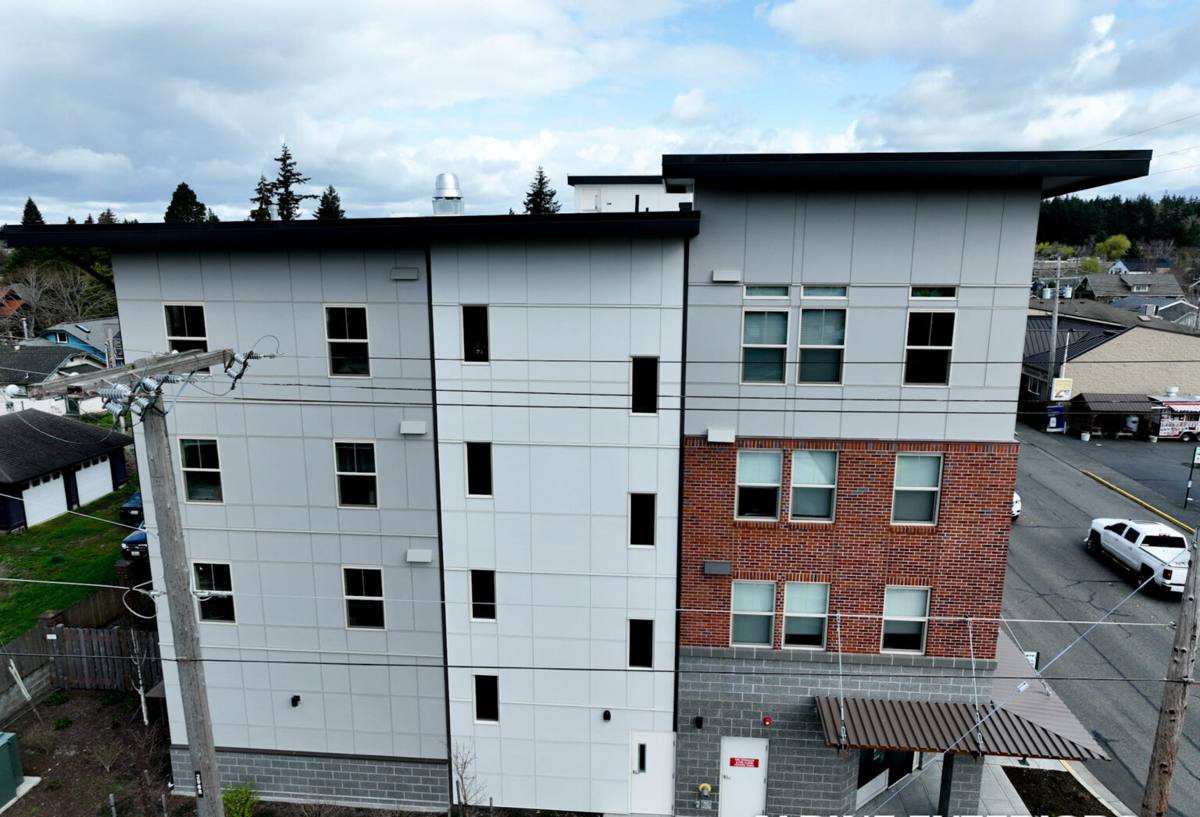
New Construction vs. Replacement: Why the Job Is Different
A lot of homeowners assume window installation is window installation. It isn't. New-construction windows have a nailing fin around the perimeter of the frame that gets integrated directly into the wall's weather-resistive barrier (WRB) and flashing system before siding goes on. Replacement windows are built to fit into an existing opening without disturbing the exterior finish. The two require different products and different sequencing on the job site.
The upside of new construction is that we get to build the water management system from scratch, in the right order, instead of working around what's already there. The downside is that there's no room for shortcuts — every flashing layer has to be installed in the correct sequence, because once the siding goes on, mistakes are hidden until they show up as a stain, a soft spot, or a moisture reading years down the road.
What "Correct" Actually Means Here
- WRB (house wrap or equivalent) lapped correctly above and around the rough opening before the window ever goes in
- Sill pan flashing installed at the base of every opening to catch and direct out any water that gets past the window itself
- Window flanges integrated with the WRB in proper shingle-lap order — sides first, then top, never trapping water behind the fin
- Head flashing above the window, tied into the WRB above it
- Sealant used only where it belongs — as a backup, not as the primary water barrier
What Similk Beach's Climate Demands From a Window System
The combination of salt-laden air off the water, driving rain that comes in sideways during winter storms, and a moss season that keeps everything damp for months at a time puts real stress on both the window unit and the wall assembly around it.
Salt Air and Corrosion
Salt air accelerates corrosion on hardware, fasteners, and some metal components faster than it would a few miles inland. We pay attention to the corrosion resistance of cladding, hinges, locks, and the fasteners used to install the unit — cutting corners here shows up as pitting and stuck hardware well before the window itself would otherwise need attention.
Driving, Wind-Driven Rain
Ordinary rain falling straight down is easy to manage. Wind-driven rain gets pushed sideways and upward into gaps that a vertical-only water path would never encounter. That's why sill pan flashing, properly lapped head flashing, and a window with a solid air and water infiltration rating matter more here than in a sheltered inland lot.
Sustained Dampness and Moss
Long stretches of damp, low-light weather are what let moss and algae take hold on siding and trim — and the same dampness works against any wall assembly that can't dry out. Windows and their surrounding flashing need to shed water efficiently and let the wall breathe where it's designed to, so moisture doesn't sit against sheathing and framing.
Choosing Frame Material and Window Type for a Similk Beach Build
There's no single "right" window for every new build — it depends on budget, style, and how exposed the elevation is to wind and rain. Here's how the common frame materials compare for a marine-influenced site like this one.
| Frame Material | Moisture & Salt Air Performance | Maintenance | Typical Fit |
|---|---|---|---|
| Vinyl | Good — won't rot or corrode; seams are the weak point if welds are poor | Low | Value-focused new builds, rentals, secondary structures |
| Fiberglass | Very good — dimensionally stable, resists warping in temperature and moisture swings | Low | Full builds where long-term stability matters |
| Wood-Clad | Good if cladding and flashing details are correct; the wood interior needs the exterior kept fully sealed | Moderate | Higher-end builds wanting a wood interior look |
| Aluminum | Fair — conducts cold and can promote condensation unless thermally broken; cladding must resist salt corrosion | Low to moderate | Modern designs, larger spans |
For most Similk Beach new-construction jobs we lean toward vinyl or fiberglass for their combined resistance to moisture and low upkeep, but the final call depends on the design goals for the home and the specific elevation's exposure to wind and driving rain.
Sizing, Placement, and Structural Coordination
New construction gives us a rare advantage: we can influence rough opening sizing and header design before framing locks it in. That matters for a few practical reasons.
- Larger window units, especially on water-facing elevations, need headers sized correctly for the load and span
- Rough openings built slightly oversized (per manufacturer spec) give the installation crew room to shim, level, and square the unit without forcing it
- Sill height and window placement affect how effectively rainwater sheds away from the opening on a wall that takes direct wind-driven rain
We coordinate with the builder or general contractor early, ideally before framing is finalized, so the rough openings match the actual window specs rather than a generic assumption.
Our New-Construction Window Installation Process
- Plan review and product selection — we go over the plan set, discuss frame material, glazing package, and any elevations with extra wind or rain exposure
- Rough opening verification — every opening is checked for size, level, plumb, and square before a single window goes in
- Sill pan flashing — installed at the base of each opening as the first line of drainage
- WRB integration — house wrap is cut, lapped, and taped in the correct shingle-style sequence around the opening
- Window setting — units are set, shimmed for square and level, and fastened per manufacturer specification
- Flange and flashing integration — side flanges taped first, then head flashing installed and lapped over the top, tying back into the WRB above
- Sealant and backer rod — applied as a secondary barrier, never as a substitute for correct flashing
- Final inspection — every opening is checked before siding crews close the wall up
That last step matters more than it sounds. Once siding goes on, a mistake in flashing sequence is invisible until it's a problem. We treat the pre-siding inspection as the last real chance to catch it.
Working Alongside Your Builder or GC
On most new-construction jobs, we're one trade among several — framers, siding crews, and sometimes a separate GC coordinating the schedule. Clear handoffs matter: we need the rough openings framed to spec before we show up, and the siding crew needs our flashing fully integrated and inspected before they start covering the wall. We communicate directly with builders and GCs on timing so nobody's waiting on anybody, and so the sequence isn't rushed in a way that skips a flashing step to hit a date.
What Drives Cost on a New-Construction Window Job
| Factor | Why It Matters |
|---|---|
| Frame material | Vinyl is typically the most budget-friendly; fiberglass and wood-clad cost more upfront but bring different maintenance and longevity trade-offs |
| Glazing package | Double vs. triple pane, low-E coatings, and gas fills all affect both price and how the home performs in cold, damp weather |
| Number and size of openings | More openings and larger units (picture windows, large sliders) add material and labor cost |
| Elevation exposure | Water-facing or highly exposed elevations may warrant upgraded flashing details or better-rated units, adding modest cost for real protection |
| Site access and timing | Coordinating around other trades on an active job site can affect scheduling and labor efficiency |
We don't quote from a generic price list — every new-construction job gets measured against the actual plan set and site conditions before we give a number.
A Practical Checklist Before Windows Go In
- Confirm rough opening dimensions match the specific window model, not just a generic size
- Verify WRB is installed and ready for proper flashing integration before window delivery
- Choose frame material and glazing package based on the elevation's actual wind and rain exposure, not just budget
- Schedule window installation and siding close-in with enough buffer to allow a pre-siding flashing inspection
- Ask your installer to walk you through the flashing sequence before the wall gets closed up
Why Local Experience in Similk Beach Matters
A crew that's only worked drier, more sheltered inland sites can miss how much extra attention a Similk Beach elevation facing open water and prevailing wind actually needs. We've installed windows on new builds throughout the Anacortes area and Skagit County long enough to know which elevations tend to take the worst of the wind-driven rain, where moss and algae build up fastest, and which flashing details are worth the extra care rather than treating every opening the same. That local pattern recognition is the difference between a window system that quietly does its job for decades and one that starts causing problems within a few wet winters.
If you're planning a new build in Similk Beach and want windows installed correctly from the rough opening forward, we're happy to walk the plans with you and give you a straightforward, no-pressure estimate — just fill out the form below.