 Anacortes Siding
 Storm Damage Roofing in West Anacortes
West Anacortes sits close enough to the water that its roofs take a different kind of beating than homes further inland in Skagit County. Winter systems roll in off Rosario Strait and the Guemes Channel with sideways rain and gusty winds, and the salt-laden air that comes with that marine exposure works on roofing materials year-round, not just during storms. When a windstorm or heavy rain event does damage to a roof out here, the fix needs to account for that environment, not just patch the visible problem.
This page covers what storm damage roof repair actually involves for homes in this part of Anacortes, what to look for after a storm, and how a crew that already works this neighborhood approaches the job differently than a repair outfit passing through.
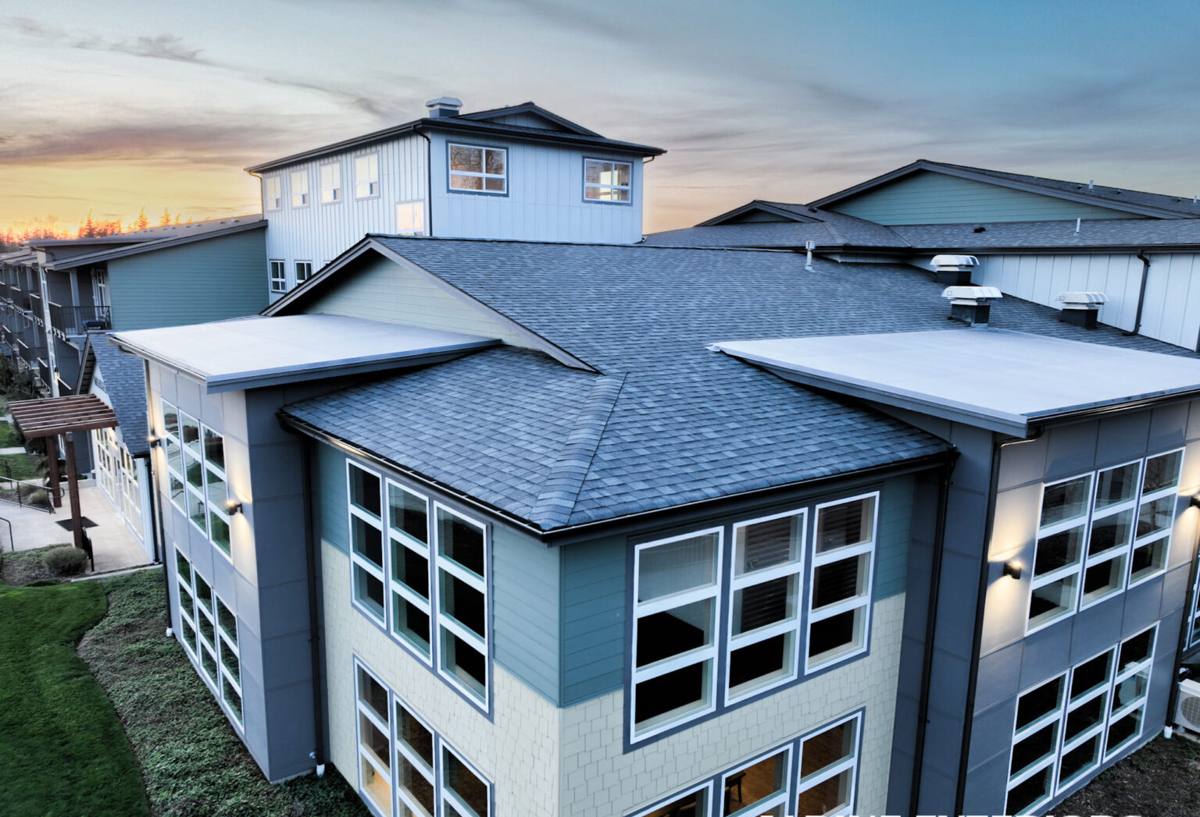
Why West Anacortes Roofs Take More Damage
Wind and Water Off the Water
Homes in West Anacortes are more exposed to wind coming off the water than homes tucked into the interior of town. That exposure means higher uplift forces on shingles and roofing edges during storms, and it means wind-driven rain gets pushed into places a roof designer assumes will stay dry in a calmer climate. Flashing, ridge caps, and exposed fastener lines take the brunt of it.
Salt Air and Corrosion
Salt air accelerates corrosion on exposed metal — flashing, fasteners, gutter hardware, and vent stacks all age faster here than they would on a roof twenty miles inland. A fastener or flashing seam that would hold up fine elsewhere in Skagit County can fail years earlier out here, and that failure is often where storm damage actually starts.
Moss and Trapped Moisture
Anacortes has a long moss season, and West Anacortes' combination of moisture and tree cover gives moss plenty of opportunity to establish itself on north-facing and shaded roof sections. Moss holds water against the roofing surface long after a storm has passed, which softens shingles, degrades the mat underneath, and lifts edges — making the next windstorm's job easier. A lot of what looks like sudden storm damage is really moss-weakened roofing that finally gave way.
What Storm Damage Actually Looks Like
Not all storm damage is obvious from the ground, and not everything obvious from the ground is actually storm damage. Here's what we look for and what it usually means.
| What You See | Likely Cause | Urgency |
|---|---|---|
| Missing or torn shingles | Wind uplift, often starting at an edge or ridge | High — exposed decking leaks fast in driving rain |
| Granules collecting in gutters | Wind abrasion or impact from debris | Moderate — signals accelerated wear, watch closely |
| Lifted or curled shingle edges | Wind stress combined with age or moss undermining the seal | Moderate to high depending on extent |
| Water stains on interior ceilings | Active leak, usually at flashing or a damaged shingle run | High — repair before the next rain |
| Bent or lifted flashing at chimneys, valleys, vents | Wind flex or corrosion-weakened fasteners | High — flashing failures leak disproportionately to their size |
| Sagging or soft-feeling roof sections | Sustained moisture intrusion, possibly pre-dating the storm | High — may indicate deck damage |
| Debris impact marks or punctures | Wind-thrown branches or debris | Depends on depth — check decking underneath |
Our Storm Damage Repair Process
1. Inspection First, No Guessing
We start with a full roof inspection, not just a look at the spot the homeowner points out. Storm damage rarely announces itself in only one place — a windstorm that lifted shingles on one slope has usually stressed flashing and ridge lines elsewhere too. We check the attic side as well when it's accessible, because water stains on decking or insulation often tell us more than what's visible from a ladder.
2. Distinguishing Storm Damage from Pre-Existing Wear
Part of an honest assessment is telling you what the storm actually caused versus what was already failing due to age, moss, or salt-air corrosion. This matters for insurance claims and for your own decision-making — you deserve a straight answer about what's storm-related and what's a maintenance issue the storm simply exposed.
3. Temporary Protection When Needed
If there's active leaking or exposed decking, we get the roof dried in first — tarping or temporary sealing to stop water intrusion — before scheduling the permanent repair. In this climate, leaving a roof exposed between storms isn't a risk worth taking.
4. Matching Materials and Doing Repairs Right
We repair to match your existing roofing as closely as possible in material, color, and installation method, and we use corrosion-resistant fasteners and flashing appropriate for a marine environment rather than whatever hardware happens to be standard elsewhere. A repair that isn't built for salt air will just fail again sooner.
5. Cleanup and Documentation
We clear debris, magnet-sweep for stray fasteners, and provide documentation of the repair and damage — useful for your records and for insurance if you're filing a claim.
Storm Damage vs. General Repair: What's Different
Storm damage repair isn't just a smaller version of a full roof job. A few things set it apart:
- Time sensitivity — an active leak or exposed decking needs a response measured in days, not weeks, especially heading into another wet system
- Insurance documentation — photos, damage descriptions, and repair scope often need to line up with what an adjuster will look for
- Root-cause check — confirming whether wind, impact, or pre-existing wear actually caused the failure, since that affects both the fix and any claim
- Scope discipline — repairing what's damaged without either under-scoping (missing a related flashing issue) or over-scoping (selling a full replacement when a targeted repair will hold)
What a Correct Repair Involves
A storm repair that's done right in this climate typically includes more than swapping out a few shingles:
- Removing and inspecting the decking under damaged areas, not just the shingles on top
- Checking and re-sealing flashing at every penetration near the damaged area — vents, chimneys, valleys
- Confirming underlayment integrity where shingles were removed, replacing it if it's compromised
- Using fasteners and flashing rated for coastal/marine exposure to avoid a repeat failure from corrosion
- Checking gutters and downspouts near the repair for debris or damage that could redirect water back under the new work
- Verifying the repair ties in cleanly with surrounding roofing so it sheds water the way the rest of the roof does
Why Hire a Crew That Already Works West Anacortes
A repair crew that works this neighborhood regularly has already seen how the local wind exposure, salt air, and moss pattern show up on roofs like yours. That translates into a few practical advantages: we know which materials and fastener grades actually hold up here instead of learning that lesson on your roof, we can usually get eyes on storm damage faster because we're not driving in from across the county, and we're not guessing at how West Anacortes weather behaves — we've watched it move through the neighborhood season after season. That local familiarity shows up in the quality of the repair, not just the convenience of scheduling.
Insurance Claims and Storm Damage
If your storm damage is significant enough to consider an insurance claim, timing and documentation matter. We can provide a written assessment and photos of the damage that you can submit alongside your claim, and we're glad to walk an adjuster through what we found if that's helpful. We won't inflate a claim or represent pre-existing wear as storm damage — that approach tends to cause problems for homeowners down the road, and it's not how we do business.
Preventing the Next Storm From Doing the Same Damage
Once a storm repair is done, a few maintenance habits go a long way toward keeping the next windstorm from causing a repeat problem, especially with West Anacortes' moss season and salt exposure working against the roof year-round:
- Keep gutters clear so wind-driven rain has somewhere to go instead of backing up under roof edges
- Trim back tree limbs that overhang the roof — both to reduce moss buildup and to cut down on impact debris during wind events
- Schedule periodic moss treatment on shaded or north-facing slopes before it undermines shingles
- Have flashing and fastener condition checked every couple of years given how much faster salt air ages exposed metal here
- After any significant windstorm, do a visual check from the ground for missing shingles, granule loss in gutters, or bent flashing
Get a Straightforward Assessment
If a recent storm has left you with a leak, missing shingles, or damage you're not sure how serious, we're happy to come take a look. We'll give you an honest read on what's storm damage, what's pre-existing wear, and what it'll take to fix it right for a West Anacortes roof — no pressure, no upsell. Reach out using the form below for a free estimate.