 Anacortes Siding
 Windows Built for the Edison Climate
Edison sits low on the Samish Flats, close enough to Samish Bay and Padilla Bay that salt-laden air is part of daily life. Add Skagit County's driving winter rain, near-constant marine humidity, and a moss season that can stretch from October through May, and you have one of the more demanding window environments in western Washington. Windows here don't fail because homeowners neglected them — they fail because they were installed without accounting for what this specific stretch of coastline does to wood, seals, and hardware over time.
A window that performs fine in a drier inland town can struggle in Edison within a decade. Salt air accelerates corrosion on hardware and fasteners. Wind-driven rain off the flats finds any gap in flashing or sealant and pushes water sideways, not just down. And the same damp, shaded conditions that support moss on a roof also support mildew growth on window sills, tracks, and trim. None of this means windows in Edison are a losing battle — it means the installation has to be done with this climate in mind from the first measurement to the final bead of sealant.
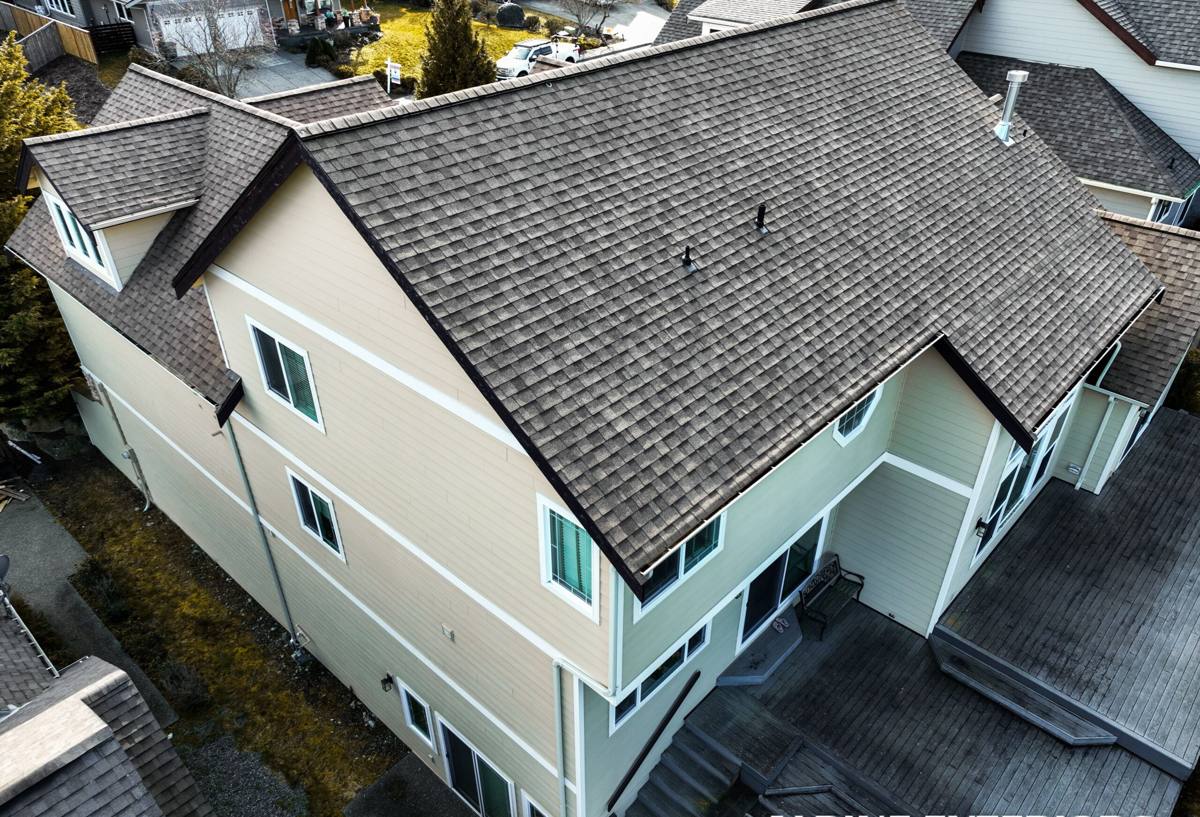
Signs an Edison Home Needs New Windows
Most homeowners don't wake up one day and decide they need new windows — they notice small problems that slowly get worse. In this area, the following are the most common early warning signs we see.
Moisture and Air Signs
- Fogging or a permanent haze between the panes of a double-pane window (the seal has failed and the gas fill is gone)
- A draft you can feel near the frame even when the window is latched shut
- Soft or discolored wood on the sill, jamb, or exterior trim
- Condensation that forms on the inside of the glass regularly, especially in winter
- Paint that bubbles or peels near the frame, which usually points to trapped moisture underneath
Mechanical and Wear Signs
- Windows that are hard to open, stick partway, or won't stay up without a prop
- Visible rust or corrosion on hinges, cranks, or balance hardware
- Locks that no longer pull the sash fully tight against the weatherstripping
- Warped or swollen wood sashes on older wood-frame windows
Any one of these on its own might just need a repair. Several of them together, especially on a home built before the 1990s, usually means the windows have reached the end of their useful service life and a repair would just be a temporary patch.
Choosing the Right Window for a Coastal Farmland Setting
There's no single "best" window for every home — the right choice depends on exposure, budget, and how the home is built. But in an area like Edison, a few factors matter more than they would somewhere drier and less windy.
| Window Type | How It Handles Salt Air & Rain | Maintenance Load | Typical Fit |
|---|---|---|---|
| Vinyl | Resists corrosion well; won't rot; seams need good manufacturing to stay watertight | Low — occasional cleaning | Most homes, best value |
| Fiberglass | Very stable in wind-driven rain and temperature swings; strong seal retention over time | Low | Homes wanting a longer service life or larger openings |
| Wood, unclad | Handsome but needs consistent upkeep to resist moisture intrusion near the coast | High — regular painting/sealing | Historic or period-style homes where appearance is the priority |
| Aluminum-clad wood | Cladding protects exterior wood from rain and salt; interior keeps a wood look | Moderate | Homes wanting wood interiors without full exterior upkeep |
We don't install bare (unclad) wood windows on the exterior-facing sides of homes in this area as a matter of professional standard — not because wood is a bad material, but because the maintenance schedule needed to keep unprotected wood watertight in driving coastal rain is more than most homeowners want to commit to. When a homeowner wants a wood look, clad options give that appearance while putting a weather-resistant material where the rain and salt air actually hit.
What a Correct Installation Actually Involves
The window itself is only part of the job. In our experience, most premature window failures in this region trace back to installation shortcuts, not the product. A correct install for this climate includes:
Before the Window Goes In
- Removing the old window and inspecting the rough opening for hidden rot, especially at the sill, where water tends to collect
- Replacing any damaged framing or sheathing found during removal, rather than covering it up
- Installing sill pan flashing so any water that gets past the window has a path back outside instead of into the wall
During Installation
- Layering flashing tape so each piece sheds water onto the layer below it, working top to bottom — never the reverse
- Setting the window level, plumb, and square before fastening, so hardware operates smoothly for years
- Sealing and insulating the gap between the window frame and rough opening without over-packing it, which can bow the frame
After Installation
- Sealing the exterior trim joints with a sealant rated for the movement and moisture exposure of coastal siding
- Checking operation — open, close, and lock every window before calling the job done
- Cleaning up job site debris and old window disposal
Skipping the flashing step or reusing old trim without checking what's behind it is the single most common shortcut that leads to a callback two or three winters later, once the driving rain has had time to find the gap.
Our Process, Start to Finish
We keep the process straightforward because homeowners deserve to know what's happening at each stage.
- Free on-site estimate. We look at your existing windows, note their condition, and measure openings. No pressure, no obligation.
- Product selection. We walk through material and glass options based on your home's exposure, budget, and how long you plan to stay in the home.
- Scheduling. We plan install timing around weather where possible — Skagit County rain doesn't wait for a convenient week, but we manage openings so your home isn't exposed longer than necessary.
- Install day. Old windows come out, openings are inspected and flashed, new windows go in, and everything is sealed and tested.
- Walkthrough. We go over operation and care with you before we consider the job finished.
What Affects the Cost
Every home is different, but the same factors drive most of the price variation we see on window jobs in this area.
| Factor | Why It Matters |
|---|---|
| Number of windows | Per-window cost drops somewhat when several openings are done in one visit |
| Frame material | Vinyl is typically the most budget-friendly; fiberglass and clad-wood cost more upfront but often outlast cheaper materials |
| Size and shape | Custom or oversized openings, bay windows, and non-rectangular shapes cost more than standard sizes |
| Condition of the opening | Hidden rot or framing damage found during removal adds repair time before the new window can go in |
| Glass package | Upgraded low-E coatings or gas fills add cost but improve comfort and condensation resistance |
| Trim and finish work | Matching existing exterior trim, especially on older homes, takes more labor than a simple swap |
We give a written estimate before any work starts so there are no surprises once the crew is on site.
Why a Crew That Already Works Edison Matters
A window contractor who mostly works drier, inland areas can still do competent work — but they may not build in the extra flashing detail or sealant choices this coastline calls for, simply because it's not what they run into every week. A crew that regularly works Skagit County's coastal and farmland communities has already seen how salt air corrodes the wrong hardware, how wind off the flats drives rain sideways under poorly lapped flashing, and how moss and mildew take hold in shaded, damp corners of a home. That familiarity shows up in the small decisions made on install day — the ones that determine whether a window is still performing well in fifteen years or leaking by year five.
It also matters for follow-up. If a question comes up after the install — a window that feels stiff after the first cold snap, a trim joint you want checked before winter — it helps to work with a crew that's a short drive away and already familiar with your home, rather than chasing down a company that only passes through the area occasionally.
Caring for Your New Windows in This Climate
New windows install correctly is most of the battle, but a little seasonal care keeps them performing well for the long haul in a salt-air, high-moisture environment.
- Rinse exterior frames periodically to clear salt residue, especially on homes with more direct exposure toward the water
- Keep weep holes on the exterior sill clear of dirt and moss so water can drain out as designed
- Check and refresh exterior caulking at trim joints every few years — sealant is a wear item, not a one-time fix
- Wipe down interior tracks and sills during the wet season to discourage mildew growth
- Address any soft trim or paint failure promptly rather than waiting, since moisture problems compound quickly in this climate
If your Edison-area home has drafty, foggy, or hard-to-operate windows, we're happy to take a look and give you a straightforward, no-pressure estimate — just fill out the form below to get started.