 Anacortes Siding
 Window Replacement Built for Bow's Weather, Not Just Its Views
Bow sits in that stretch of Skagit County where farmland runs right up against saltwater air, and homes here take a different kind of beating than a house twenty miles inland. If you've owned a place out this way for more than a decade, you already know the tells: swollen sashes that won't latch right in January, condensation fogging up the glass every cold morning, a draft along the frame that no amount of caulk seems to fix. Windows are one of the first things on a house to show their age in this climate, and once they start failing, they fail in ways that cost you more than comfort — heating bills climb, wood trim starts to rot from the inside out, and moisture finds its way into places you don't want it.
This page is about window replacement done right for homes in and around Bow — what the local climate actually does to windows over time, what a correct installation involves, and how our process works from the first estimate to final cleanup.
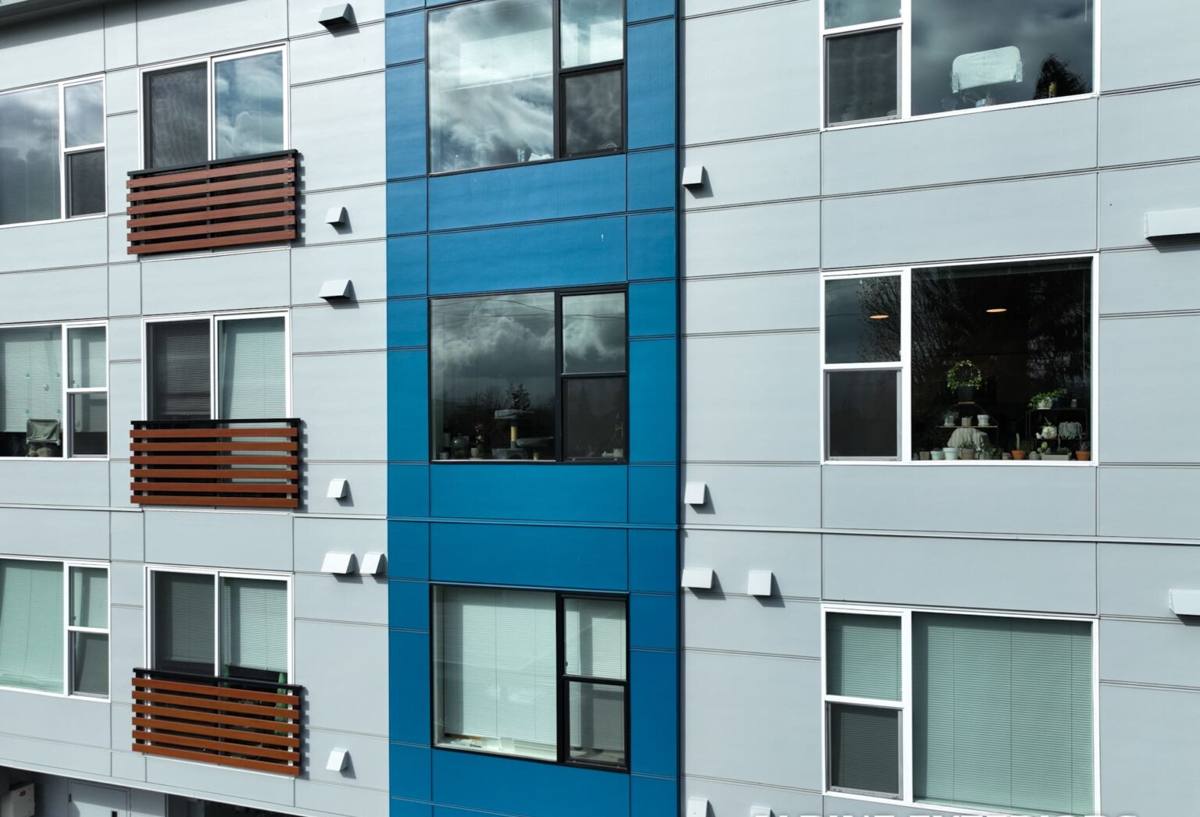
What Salt Air, Driving Rain, and Moss Season Do to Windows
Every region has its own version of "weather wear," and Bow's is a specific combination that older or poorly installed windows aren't built to handle indefinitely.
Salt Air
Proximity to the bay means a steady, low-level exposure to salt-laden moisture in the air. Over years, that accelerates corrosion on aluminum window hardware, pits exposed fasteners, and breaks down cheaper vinyl and finish coatings faster than the same products would wear in a drier inland town. Metal window balances, locks, and hinges are usually the first casualties — you'll notice stiffness or rust streaks well before the glass itself fails.
Driving Rain
Wind-driven rain doesn't just fall on a window — it gets pushed sideways into every seam, gap, and joint in the frame and flashing. A window that was installed without proper flashing and sealant detailing might look fine for years and then suddenly start showing water staining on interior sills or drywall during a hard storm. This is one of the most common failure points we see on older Skagit County homes: not the window unit itself, but how it was tied into the wall.
Long Moss Season
The extended damp season here keeps wood surfaces wet longer than they'd stay wet in a drier climate, and that's exactly the condition moss, algae, and rot fungus need. Wood window sills, exterior trim, and older wood-frame sashes are especially vulnerable. Once moss and mildew establish themselves in a joint or seam, they hold moisture against the wood continuously, which speeds up decay dramatically compared to a surface that dries out between rain events.
Signs a Bow Home's Windows Are Due for Replacement
Not every window problem means full replacement — sometimes it's a repair, reseal, or hardware fix. But certain signs point toward windows that are past the point of patching.
- Visible fogging or a milky haze between the panes of a double-pane window (a sign the seal has failed and the insulating gas or air gap is gone)
- Wood trim or sills that feel soft, spongy, or crumble slightly under light pressure
- Windows that won't stay open, won't latch, or need to be forced shut
- A noticeable draft you can feel with your hand near the frame on a windy day
- Visible gaps between the window frame and the siding or trim
- Paint that's peeling or bubbling specifically around the window frame, even if the rest of the siding looks fine
- Rooms near certain windows that are noticeably colder or noisier than the rest of the house
- Moss or dark staining building up in the corners of the frame or on the sill, even after cleaning
If you're seeing two or more of these on the same window, it's usually cheaper long-term to replace it correctly than to keep patching a frame that's already letting water in.
What a Correct Window Replacement Actually Involves
A window replacement is easy to do poorly and easy to make look fine for a season or two before problems show up. The difference between a job that lasts fifteen-plus years and one that fails in three usually comes down to what happens before the new window ever goes in the opening.
Removing the Old Unit Without Damaging the Opening
We remove the existing window carefully so we can inspect the framing, sill, and sheathing underneath — this is often the first time hidden rot or old water damage becomes visible, and it needs to be addressed before a new window goes in, not covered up.
Checking and Repairing the Rough Opening
Any soft wood, rot, or compromised sheathing gets cut out and replaced. Installing a new window into a damaged opening just guarantees the same failure happens again, faster.
Flashing and Weatherproofing
This is the step that matters most for a climate with driving rain. Proper flashing tape and a correctly lapped water-resistive barrier direct any water that gets behind the siding down and out, away from the framing — not into it. This is exactly the detail that fails on a lot of older installations and is the root cause behind many "mystery leaks" homeowners deal with for years.
Setting, Shimming, and Sealing the Window
The unit gets set level and plumb, shimmed so it's not under stress (a window installed out of square will bind, leak, or fail its seals early), and sealed with the right sealant at the right joints — not just caulked generously and hoped for the best.
Insulating the Gap
The small gap between the window frame and the rough opening gets filled with a low-expansion foam or backer rod and sealant — enough to stop air movement without bowing the frame inward, which can cause the window to bind or operate poorly.
Interior and Exterior Trim-Out
Finally, trim goes back on (or new trim is installed), caulked and painted or finished to match, so the job looks clean from both inside and outside the house.
Choosing Windows and Materials for a Bow Property
There's no single "best" window for every home — it depends on your budget, your home's age and style, and how exposed the house is to wind and salt air. Here's how the common options compare for this specific climate.
| Frame Material | How It Handles This Climate | Maintenance |
|---|---|---|
| Vinyl | Good moisture and salt-air resistance; won't rot; performance varies by quality tier | Low — occasional cleaning |
| Fiberglass | Very stable in temperature swings and damp conditions; holds up well long-term | Low |
| Wood | Classic look but most vulnerable to the extended damp season and moss growth without diligent upkeep | High — regular painting/sealing |
| Wood-Clad (wood interior, metal/vinyl exterior) | Protects the exterior-facing wood from rain and salt air while keeping a traditional interior look | Moderate |
| Aluminum | Prone to corrosion and pitting from salt air over time; less common as a full-frame choice here | Moderate to high |
Glass Packages Worth Asking About
Beyond the frame, the glass package affects comfort and energy use as much as the frame material does:
- Dual-pane, argon-filled: the standard baseline for this region's energy codes and a solid upgrade from most older single-pane or early dual-pane units
- Low-E coatings: help control heat loss in winter and reduce fading from summer sun without noticeably darkening the glass
- Triple-pane: worth considering for rooms facing prevailing wind and rain, or for homeowners prioritizing sound reduction and maximum efficiency
A Note on Bow-Style and Bay Windows
Some of the older farmhouses and character homes around Bow feature bay or bow window bump-outs — the curved or angled multi-window arrangements that add floor space and light to a room. These are beautiful features, but they're also more exposed to wind-driven rain on three sides instead of one, which means the flashing and structural support underneath matters even more than on a standard flat window. If your home has one of these and it's original to the house, it's worth having it evaluated specifically — replacement here isn't just "swap the glass," it often involves the supporting header, roof or seat structure, and flashing all at once.
Our Process, Start to Finish
- Free on-site estimate: we walk the exterior and interior of each window being considered, check the condition of the surrounding trim and sheathing where visible, and talk through your goals — energy efficiency, noise, appearance, or just stopping a leak.
- Written quote: clear pricing by window, with material and glass options explained so you're not guessing at trade-offs.
- Scheduling: we plan installation around weather windows where possible, since open-wall time during a wet stretch is something we manage carefully here.
- Removal and inspection: old units come out, and we show you anything we find in the framing before we close it back up.
- Installation: new units are set, flashed, insulated, and sealed following the steps above.
- Trim and finish: interior and exterior trim is completed and cleaned up.
- Final walkthrough: we test every window with you before we consider the job done.
Why a Crew That Already Works in Bow Matters
Window replacement isn't just about the product — it's about understanding how a specific house in a specific spot has been affected by years of local weather. A crew that regularly works Skagit County homes near the water knows what to expect when they pull the old trim off a house that's faced decades of salt air and rain: where rot typically hides, which older flashing methods tend to fail, and how much moss buildup usually means about what's underneath.
That local familiarity also means straightforward logistics — we're not routing a crew and materials in from far away for a single job, which keeps scheduling realistic and lets us come back quickly if you ever have a question about the work after it's done.
After Installation: Keeping New Windows Performing
New windows are a long-term investment, and a little seasonal attention keeps them working the way they should:
- Rinse salt residue and grime off exterior frames and glass periodically, especially after storms
- Keep weep holes (small drainage openings along the bottom of the frame) clear of debris, dirt, and moss so water can drain out as designed
- Check exterior caulking annually and touch up any cracked or separated joints before the wet season sets in
- Operate hardware — locks, cranks, and latches — every so often even on windows you rarely open, so mechanisms don't seize
- Wipe down and dry interior sills after heavy condensation events, particularly in bathrooms and kitchens
If you're dealing with drafty, foggy, or failing windows on a Bow-area home and want a straightforward look at your options, we're happy to come take a look. The estimate is free, there's no pressure to commit to anything, and you'll get honest answers about what your windows actually need — use the form below to get started.