 Anacortes Siding
 Roof Replacement for Conway Homes Near Anacortes
Conway sits in the lower Skagit Valley, close enough to the water and the flats that its homes take on weather most inland neighborhoods never see. Salt-laden air drifts in off Skagit Bay and Puget Sound, rain comes in sideways during fall and winter storms, and the shaded, damp conditions common on this part of the valley floor keep moss and moisture active on roofs for much of the year. A roof replacement out here isn't just about swapping old shingles for new ones — it's about choosing materials and details that hold up to this specific combination of exposure.
We work on homes throughout the Conway area and greater Anacortes, and we've built our replacement process around what actually fails on roofs in this part of Skagit County: fastener corrosion from salt air, moss working under shingle edges, and water finding its way through valleys and penetrations during heavy, wind-driven rain.
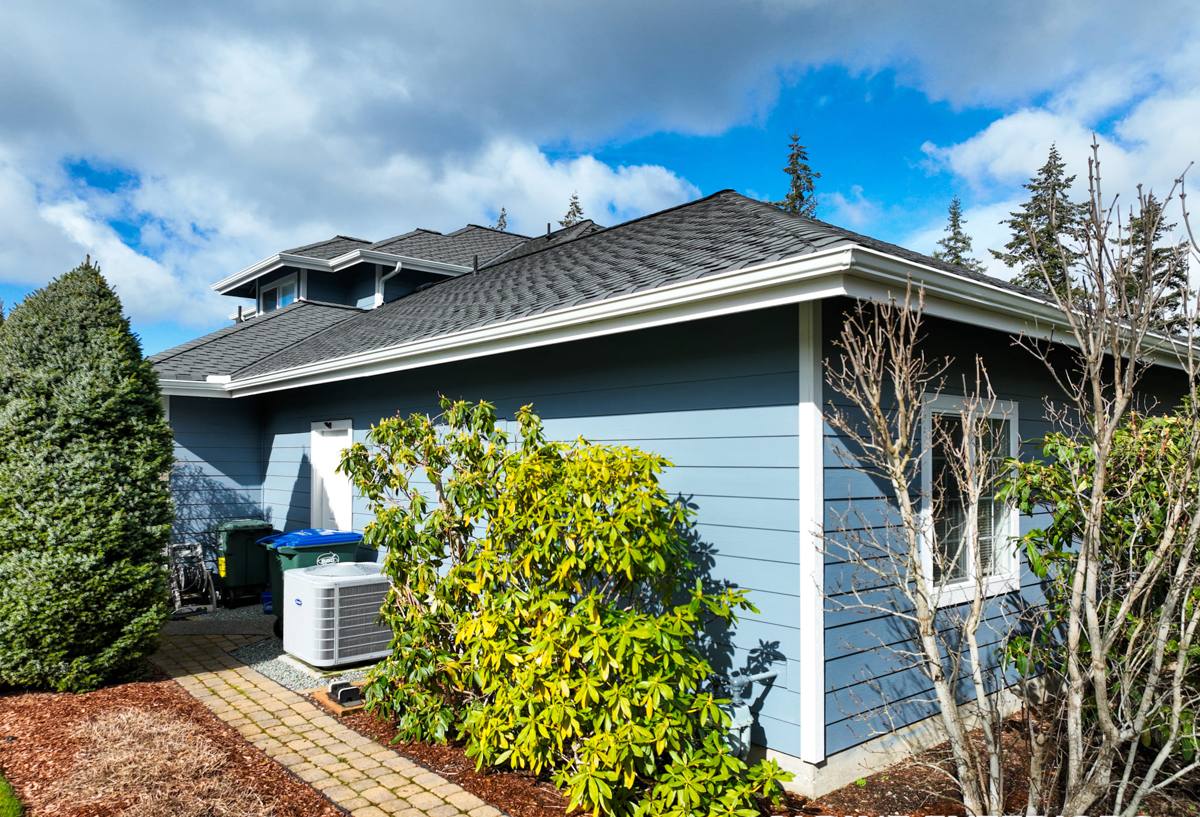
Why Conway's Climate Is Hard on Roofs
Salt Air and Corrosion
Even a few miles inland from the bay, airborne salt settles on roofing metal — flashing, fasteners, vents, and gutter hardware. Standard galvanized fasteners and thin flashing can start corroding years before a roof's shingles are actually worn out. Once a fastener head rusts through or flashing pits and thins, you get leaks that have nothing to do with the shingles themselves.
Driving Rain
Storms coming through the valley often bring rain at an angle, not straight down. That matters because wind-driven rain can be pushed up under shingle tabs, through poorly lapped flashing, and into any gap that would be a non-issue in calm weather. Roofs here need tighter underlayment coverage, properly lapped step and valley flashing, and shingle nailing patterns that hold under wind, not just gravity.
Moss and Moisture Retention
Conway's mix of tree cover, valley humidity, and long wet seasons gives moss a real foothold on north-facing and shaded roof slopes. Moss holds water against the roof surface far longer than bare shingle would, which accelerates granule loss and can lift shingle edges enough to let water track sideways underneath. A roof that isn't detailed to shed water quickly and dry out between storms will grow moss again no matter what's installed — the goal in a replacement is to reduce how much moss can take hold and make it easy to keep in check going forward.
What a Correct Roof Replacement Involves Here
A roof replacement done right for this area isn't a one-day shingle swap. It's a sequence of steps where each layer is chosen and installed with the local conditions in mind.
- Tear-off and deck inspection: Full removal of old roofing so we can see the actual condition of the sheathing — soft spots, old leak staining, and past repair patches all get addressed before anything new goes down.
- Deck repair: Any damaged or delaminated sheathing gets replaced. Roofing over a compromised deck just hides a problem that will resurface as a leak or soft spot later.
- Ice-and-water shield at vulnerable areas: Eaves, valleys, and roof penetrations get self-adhered waterproof membrane, not just felt, since these are the spots wind-driven rain and ice damming target first.
- Synthetic underlayment across the field: A durable, water-resistant underlayment over the full roof adds a second line of defense if wind ever drives water past the shingle layer.
- Corrosion-resistant metal and fasteners: Flashing, drip edge, and fasteners suited to salt-air exposure, so the metal components don't become the weak point years before the shingles wear out.
- Proper valley and flashing details: Correctly lapped, sealed, and integrated so water is directed off the roof instead of finding a seam to exploit.
- Ventilation check: Balanced intake and exhaust ventilation to keep the attic dry, which helps control condensation and slows moss and moisture buildup from the underside as well as the top.
- Final inspection and cleanup: Nail and debris sweep of the yard and gutters, plus a walk-through of the finished roof.
Choosing the Right Roofing Material for Conway
Material choice matters more here than in a drier, inland climate. We walk homeowners through the real trade-offs rather than just installing whatever's cheapest.
| Material | How It Handles Salt Air & Moisture | Moss Resistance | Maintenance |
|---|---|---|---|
| Standard 3-tab asphalt | Fasteners and flashing need salt-resistant upgrades; base shingle is durable but budget-tier | Low — flat profile holds moisture and debris | Moderate; benefits from periodic moss treatment |
| Architectural (laminate) asphalt | Heavier mat and better sealant strip resist wind-driven rain intrusion | Moderate — some lines include algae/moss-resistant granules | Lower than 3-tab; still benefits from occasional cleaning |
| Metal roofing | Excellent when properly coated/coastal-rated fasteners are used | High — smooth surface sheds moss and debris well | Low; periodic fastener and sealant check |
| Cedar shake | Attractive but needs diligent maintenance in salt air and damp shade | Low without regular treatment | High; requires ongoing moss and moisture upkeep |
For most Conway homes, an architectural asphalt shingle with algae-resistant granules, installed over the full waterproofing system described above, gives the best balance of upfront cost and long-term performance. Metal is a strong option for homeowners planning to stay long-term and wanting the lowest ongoing maintenance, especially on simpler roof shapes where installation is more straightforward.
Reading the Signs Your Conway Roof Needs Replacing
Not every roof problem calls for full replacement, but certain signs point that direction rather than a patch repair:
- Granule loss heavy enough that shingles look bare or patchy, especially on south- and west-facing slopes exposed to sun and salt air
- Moss established across large sections rather than isolated spots, particularly on shaded north slopes
- Shingles curling, cupping, or lifting at the edges
- Flashing that's visibly rusted, pitted, or separating from the roof deck
- Staining on interior ceilings or in the attic that tracks back to roof penetrations or valleys
- A roof approaching or past the manufacturer's expected service life for its material, especially if it was never upgraded with coastal-grade fasteners and flashing
If you're only seeing one or two of these and they're localized, a repair may still make sense — we'll tell you honestly if that's the case rather than pushing a full replacement you don't need yet.
Our Process, Start to Finish
- On-site inspection: We walk the roof (or use lift equipment where needed) and check the deck, flashing, ventilation, and any interior signs of past leaks.
- Written estimate: A clear scope of work and material options, with the trade-offs explained in plain terms — no pressure to upsell into something your home doesn't need.
- Scheduling around weather: Roof replacement needs a dry work window, so we plan installation dates with Skagit County's rain patterns in mind and communicate if weather pushes the timeline.
- Tear-off and installation: Full removal, deck repair as needed, waterproofing layers, and the new roofing system installed to the details described above.
- Final walk-through: We review the completed roof with you, cover warranty coverage, and answer any questions about upkeep — including basic moss-prevention steps for the seasons ahead.
Why It Matters to Hire a Crew That Already Works Conway
Roofing crews who mostly work drier, inland areas can install a technically fine roof that still underperforms here, simply because they're not used to detailing for salt-air corrosion, wind-driven rain, and moss the way a valley or coastal roof demands. Working regularly in the Conway and Anacortes area means we know which slopes tend to hold moss the longest, which flashing details actually need upgrading versus which are fine as standard, and how to sequence a tear-off around the area's weather rather than getting caught mid-project by a storm system. That local familiarity shows up in fewer callbacks and a roof that's actually built for where it sits, not a generic install.
Maintaining Your New Roof in Conway's Climate
A correctly installed roof still benefits from some seasonal attention in this climate. Keeping gutters clear of needles and debris prevents water backing up under the eaves during heavy rain. Checking shaded slopes for early moss growth and addressing it before it spreads keeps granule loss and shingle lift to a minimum. After major windstorms, a quick visual check for lifted shingles or displaced flashing catches small issues before they become leaks. None of this requires a professional visit every time, but an annual check-up — especially heading into the wet season — is worth the hour it takes.
If your Conway-area roof is showing its age or you're planning ahead for storm season, we're happy to take a look and give you a straightforward, no-pressure estimate. Use the form below to request a free roof evaluation, and we'll walk you through exactly what your home needs.