 Anacortes Siding
 Storm Damage Roof Repair for Edison Homes
Edison sits on the open Skagit flats near Samish Bay, a few minutes from Anacortes and Bow, and that location comes with a particular set of roofing problems. There's little to break up the wind coming off the water, salt air works on metal fasteners and flashing year-round, and the long, wet Skagit County winter means moss has months to take hold before anyone notices. When a windstorm or heavy rain event does damage to a roof out here, the fix needs to account for all of that, not just patch the visible hole and move on.
This page covers what storm damage roof repair actually looks like for homes in and around Edison — what to check for after a storm, what a correct repair involves, and why it matters to work with a crew that already knows this stretch of Skagit County.
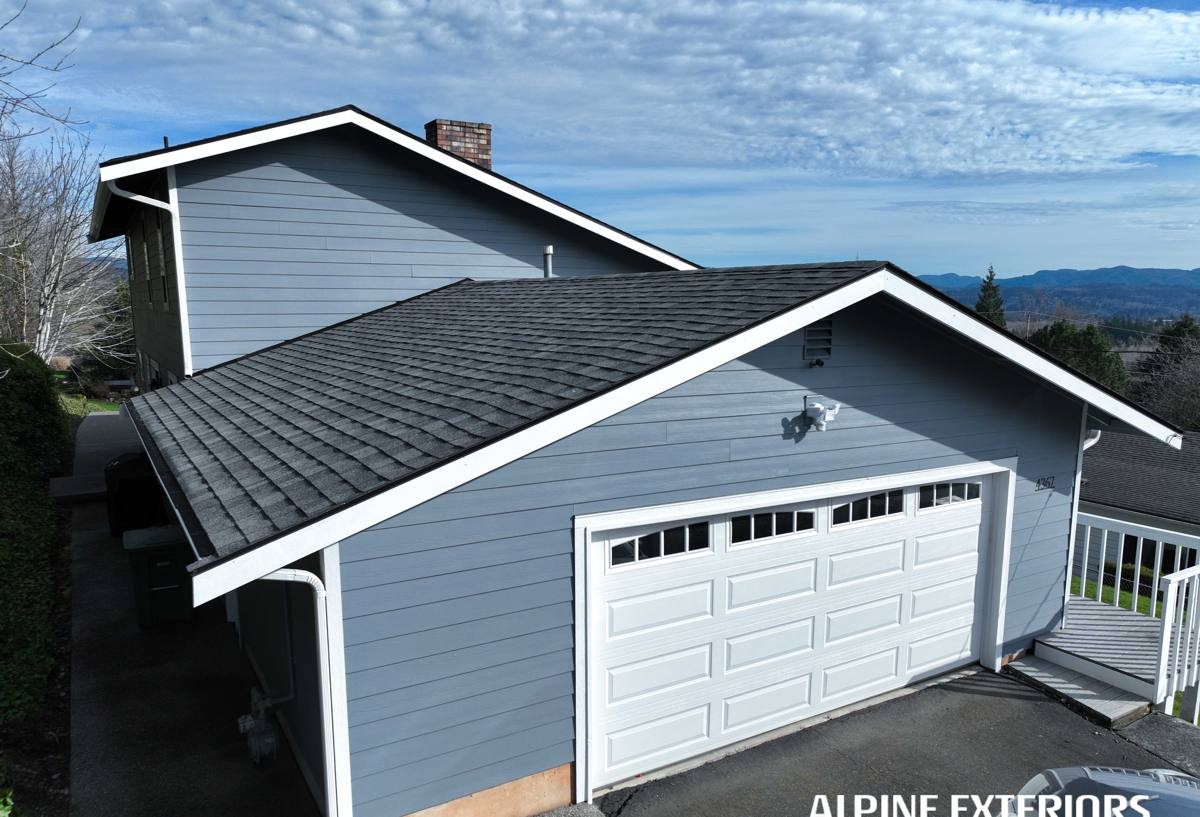
Why Edison's Setting Is Hard on Roofs
A few things make storm damage repair here different from a typical suburban job:
Open exposure and wind
Much of Edison and the surrounding farmland has no real windbreak — no hills, no dense tree cover for a lot of properties. When a storm comes through with gusts off Samish Bay or funneling down the valley, roofs here take a more direct hit than homes tucked into a wooded lot elsewhere in the county. That means more lifted shingles, more ridge cap damage, and more stress on flashing at every edge and penetration.
Salt air and corrosion
Proximity to the bay means a steady low-level exposure to salt in the air. Over years, that accelerates corrosion on exposed nails, cheap flashing, and any metal roofing components that weren't rated for a marine-influenced environment. A storm doesn't cause this corrosion, but it often exposes it — a fastener that's been quietly rusting for a decade is exactly the one that fails when the wind finally gets under a shingle tab.
A long moss season
Skagit County's wet season runs long, and shaded or north-facing roof sections in Edison can stay damp for months at a stretch. Moss and moisture-holding debris don't just look bad — they hold water against the roofing material, work into shingle laps, and soften the wood decking underneath over time. A storm-damaged roof with existing moss growth is at higher risk of hidden rot, because the moisture problem was already established before the wind or rain event made things worse.
Signs of Storm Damage Worth a Closer Look
Some damage is obvious from the ground. Some isn't — and the hidden kind is usually what turns into a bigger repair bill if it sits through another wet season.
- Shingles that are cracked, curled, torn, or missing entirely
- Granules collecting in gutters or at downspout outlets after a storm
- Bent, lifted, or missing flashing around chimneys, vents, and roof-to-wall joints
- Dented or creased metal roofing or gutters
- Soft spots, sagging, or discoloration on interior ceilings after heavy rain
- Daylight visible through the roof deck from inside an attic
- Debris — branches, moss clumps, or storm litter — sitting on the roof after the weather clears
- New or worsening moss growth along a section where shingles are no longer laying flat
Any one of these is a reason to get a roof looked at soon rather than waiting for the next storm to make it worse.
What a Correct Storm Damage Repair Involves
A repair that's done right addresses the cause, not just the symptom. That generally means:
1. A full inspection, not just a spot check
We look at the whole roof, not just the section that's visibly damaged. Wind damage in particular tends to be worse than it looks from the ground, and a storm strong enough to tear off shingles in one spot has usually stressed fasteners and flashing elsewhere too.
2. Deck condition check
Once shingles are pulled back from a damaged area, the decking underneath gets checked for soft spots, rot, or water staining. If the deck has been compromised — which is more likely on a roof that already had moss or shaded, slow-drying sections — that wood gets replaced before anything new goes down. Nailing new shingles over soft decking doesn't hold and doesn't last.
3. Underlayment and flashing, not just shingles
The shingles are the visible layer, but the underlayment and flashing are what actually keep water out when a shingle fails or lifts in wind. Storm repairs should include checking and, where needed, replacing underlayment and flashing around vents, chimneys, and valleys — areas that concentrate water flow and take the most abuse in a heavy rain event.
4. Matching materials where it matters
For a patch repair, matching the existing shingle profile and color as closely as possible keeps the roof looking uniform and keeps warranty coverage intact where applicable. For sections exposed to more salt air or wind, we'll talk through whether corrosion-resistant fasteners or upgraded flashing metal make sense for that specific area, rather than just replacing like-for-like out of habit.
5. Ventilation check
A storm repair is a good time to confirm attic ventilation is working the way it should. Poor ventilation traps moisture, which speeds up moss growth and rot — the same underlying problems that make storm damage worse out here in the first place.
Repair vs. Replacement: What Drives the Decision
Not every storm-damaged roof needs a full replacement, but sometimes a repair is a short-term fix on a roof that's already near the end of its useful life. Here's how we think through it:
| Factor | Leans Toward Repair | Leans Toward Replacement |
|---|---|---|
| Roof age | Under 12-15 years, otherwise sound | Nearing or past expected lifespan |
| Extent of damage | Localized to one section or slope | Widespread across multiple slopes |
| Decking condition | Solid, no rot found | Soft spots or rot in multiple areas |
| Moss/moisture history | Minor, recently maintained | Long-term moss growth, repeated soft spots |
| Shingle match availability | Current shingle line still available | Discontinued profile or badly faded color |
| Insurance scope | Adjuster approves targeted repair | Adjuster or inspection supports full replacement |
We'll give you a straight answer on which side of that line your roof falls on — we don't push a replacement when a proper repair will hold up, and we won't recommend patching a roof that's clearly past its service life.
Our Process for Edison Storm Calls
- Emergency response: If there's active leaking or an open section of roof, the first priority is a tarp or temporary cover to stop water intrusion while a full repair is scheduled.
- Documentation: We photograph and note the damage in a way that supports an insurance claim, before any repair work covers it up.
- Full assessment: A thorough inspection of the whole roof, not just the obviously damaged area, so nothing gets missed and re-discovered after the next storm.
- Written scope and estimate: A clear explanation of what's damaged, what needs to be repaired or replaced, and why — no vague line items.
- Repair execution: Deck repair where needed, correct underlayment and flashing work, and a shingle match that keeps the roof looking consistent.
- Cleanup and final check: Job site cleared of debris and old material, and a final walk-through so you know exactly what was done.
Working With Insurance After a Storm
Most storm damage claims move faster and more smoothly when the documentation is solid from the start. We provide photos, a written damage assessment, and a clear scope of repair that an adjuster can review against the claim. We're not a public adjuster and we don't negotiate your policy for you, but we can walk an adjuster through what we found on the roof and explain the reasoning behind the repair scope, which helps avoid back-and-forth delays.
Why a Crew That Already Works Edison Matters
Storm damage repair isn't just about ladder skills — it's about knowing the conditions specific to this part of Skagit County. A crew that regularly works Edison, Bow, and the Anacortes area already understands:
- How exposed, open-farmland roofs in this area take wind differently than sheltered lots
- Which fastener and flashing choices hold up better against ongoing salt air exposure
- How long moss season really runs here, and which roof orientations need extra attention
- Skagit County permitting requirements for larger repair or replacement work
- Realistic response times for tarping and emergency work when a storm hits the area, rather than a crew driving in from well outside the county
That local familiarity shortens the time between "we found damage" and "the roof is dry and secure again," which matters most in the days right after a storm.
Protecting Your Roof Before the Next Storm
Once a storm repair is done, a few simple habits reduce the odds of a repeat call:
- Keep gutters and downspouts clear so water isn't backing up under the roof edge during heavy rain
- Have moss treated or removed on shaded or north-facing sections before it spreads
- Trim back tree limbs that overhang the roof, especially ones that could come down in wind
- Schedule a roof check after any storm with sustained high winds, even if nothing looks obviously wrong from the ground
If your Edison-area home has storm damage, or you just want an honest read on whether recent weather has taken a toll on your roof, we're happy to take a look. Fill out the form below for a free, no-pressure estimate — we'll tell you plainly what we find and what it would take to fix it right.