 Anacortes Siding
 Roofing for Edison's Coastal, Wet Climate
Edison sits in the low, flat farmland along Samish Bay in Skagit County, close enough to the water that salt air reaches roofs here even on homes that aren't waterfront. Combine that salt exposure with the marine layer, the near-constant fall and winter rain, and the shaded, damp conditions that let moss take hold, and you get a climate that is genuinely harder on a roof than most inland parts of Washington. A roof that would last two decades in a dry climate can show real wear here in twelve to fifteen years if it wasn't installed with this specific environment in mind.
New roof installation in Edison isn't just about swapping old shingles for new ones. It's about building a roof system that sheds water fast, breathes properly so moisture doesn't get trapped underneath, and resists the slow biological growth that salt-air moisture and shade encourage. That's the standard we install to on every Edison roof, whether the home is a farmhouse a quarter mile off the water or set back closer to the hills toward Bow.
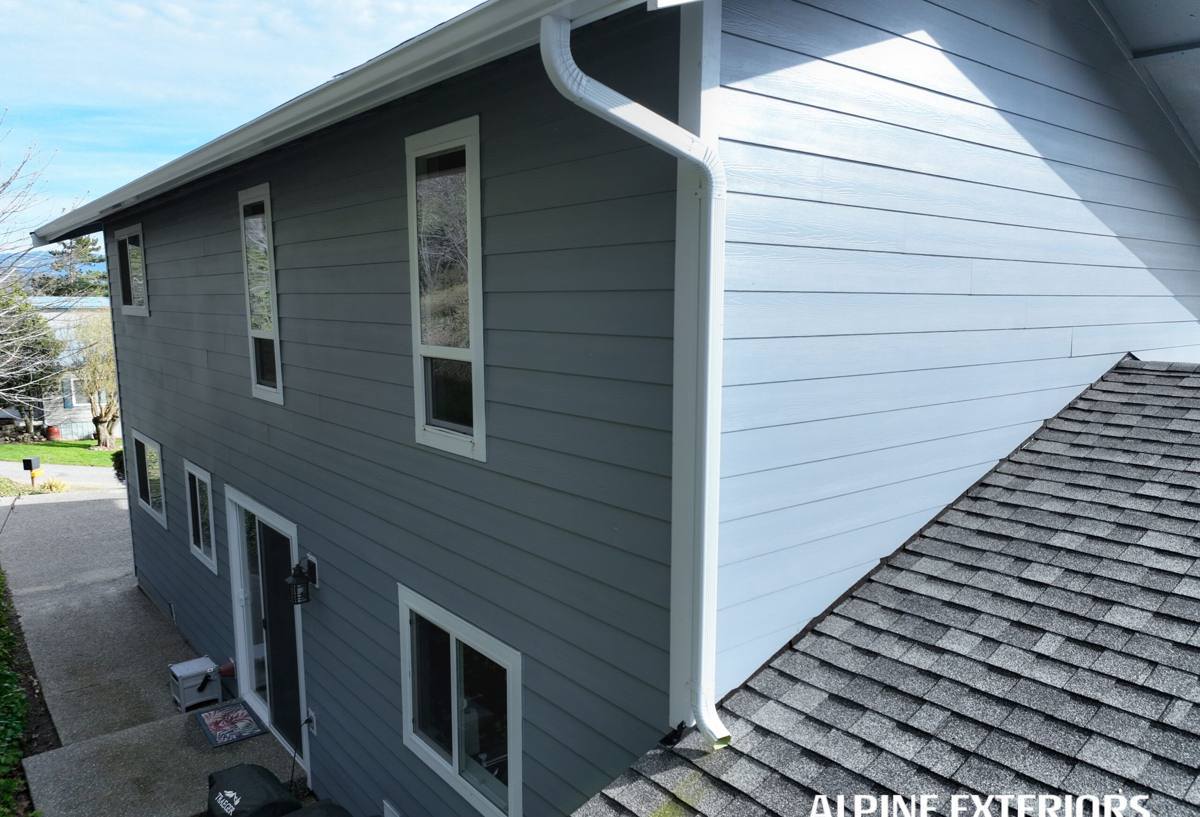
Signs an Edison Home Needs a New Roof, Not Another Repair
Repairs make sense when the roof is younger and the damage is localized. A full replacement makes sense once the roofing material itself is worn out system-wide, or once repairs are chasing symptoms instead of fixing the underlying problem. Some signs point clearly toward replacement:
- Granule loss heavy enough that you're finding gravel-like debris in gutters after every rain, not just after a storm
- Shingles that are cupping, curling at the edges, or cracking in multiple areas rather than one isolated spot
- Moss that keeps returning within a season or two of cleaning, especially on north-facing or shaded slopes
- Soft spots, sagging, or visible deflection in the roof deck when walked or viewed from a ladder
- Daylight visible through the attic roof boards, or damp insulation and staining on attic rafters
- A roof that's already had multiple patch repairs and is still leaking in new spots each winter
- Flashing around chimneys, skylights, or roof-wall intersections that's rusted, lifted, or was never properly stepped in the first place
If a roof is showing two or more of these at once, patching one area usually just delays a bigger cost later. An honest inspection will tell you which category you're in.
What a Correct New Roof Installation Actually Involves
Full Tear-Off, Not a Layer-Over
We remove the existing roofing down to the deck rather than installing a new layer over old material. Layering over hides deck problems, traps moisture between layers, and voids most manufacturer warranties outright. A tear-off is also the only way to actually see the condition of the sheathing underneath, which matters a great deal in a climate as wet as Skagit County's.
Deck Inspection and Repair
Once the old roofing is off, every section of the roof deck gets checked for soft spots, delamination, or rot — problems that are common on older Edison homes where a roof leaked quietly for years before anyone noticed. Any compromised sheathing gets replaced before anything new goes down. Installing new roofing over a bad deck just buys a few years before the same problem resurfaces.
Underlayment and Ice-and-Water Protection
Given the volume of driving, wind-blown rain this area sees, we use a synthetic underlayment across the full roof and self-adhering ice-and-water membrane at the vulnerable points — eaves, valleys, and around every roof penetration. This is the layer that keeps a roof watertight even if wind-driven rain gets up under the shingle tabs, which happens regularly during Skagit County's winter storm systems.
Flashing Done Right
Most roof leaks trace back to flashing, not the field shingles. Step flashing at walls, proper counter-flashing at chimneys, and correctly lapped valley flashing all have to be installed in the right sequence with the underlayment and roofing material, not caulked together as an afterthought. We flash to last, not to look finished on inspection day.
Ventilation That Matches the Climate
Balanced intake and exhaust ventilation keeps the attic space close to outdoor temperature and humidity, which reduces condensation, ice formation at the eaves, and the trapped moisture that feeds moss and algae growth on the roof surface itself. We size and place vents based on the specific attic, not a one-size-fits-all default.
Choosing a Roofing Material for Edison's Conditions
There's no single "best" roofing material — the right choice depends on the home's roof pitch, budget, and how much long-term maintenance the owner wants to take on. Here's how the common options perform under Edison's salt air, rain, and moss pressure:
| Material | Performance in Edison's Climate | Maintenance Load | Typical Lifespan |
|---|---|---|---|
| Architectural asphalt shingle | Solid all-around choice; algae-resistant (AR) shingles specifically help with moss/moss-algae staining | Periodic moss removal, gutter clearing | 25–30 years |
| Standard 3-tab shingle | Lower upfront cost but less wind resistance and shorter service life in coastal wind/rain | More frequent inspection recommended | 15–20 years |
| Standing seam metal | Excellent water shedding, very moss-resistant on steeper pitches, strong wind performance | Low, but panel and fastener checks over time | 40–50+ years |
| Cedar shake | Traditional look but holds moisture longer in shaded, damp conditions unless well-ventilated and maintained | High — regular treatment and moss control | 20–30 years with upkeep |
For most Edison homes, a mid-to-high grade architectural shingle with algae resistance offers the best balance of cost, appearance, and performance against this specific climate. Metal roofing is worth serious consideration on steeper roofs or for owners who want to minimize moss maintenance long-term, even though the upfront cost is higher.
Our New Roof Installation Process
- On-site inspection and measurement — we walk the roof, check the attic, and assess deck condition before quoting anything
- Written estimate — material options, scope of work, and price laid out clearly, no vague allowances
- Scheduling around weather — we plan installation windows with Skagit County's rain patterns in mind, not just calendar availability
- Tear-off and deck repair — full removal of old roofing, deck inspected and repaired as needed
- Underlayment, flashing, and ventilation installed — the parts of the job that determine whether the roof actually performs
- Roofing material installed to manufacturer specification — correct nailing pattern, exposure, and sealing for wind and rain performance
- Site cleanup and magnetic sweep — debris and stray fasteners cleared from the property
- Final walkthrough — we review the finished roof with the homeowner before calling the job complete
Moss and Ventilation: The Two Issues Most Roofers Underestimate
Moss on a roof isn't just cosmetic — it holds moisture against the shingle surface, works its way under tabs and around fasteners, and accelerates granule loss. In a shaded, damp community like Edison, moss pressure is close to constant during the fall through spring months. The fix isn't a one-time cleaning; it's a combination of algae-resistant materials, keeping trees trimmed back from the roofline where possible, and proper ventilation so the roof deck dries out between rain events instead of staying damp.
Ventilation is the part of a roof system that's invisible once the job is done, which is exactly why it gets skipped by crews trying to save time. Poor attic ventilation leads to condensation on the underside of the deck, which rots sheathing from the inside and creates the exact damp conditions moss thrives on from below as well as above. We treat ventilation as a required part of every install, not an upsell.
Cost Factors for a New Roof in Edison
Every roof is priced individually, but the same handful of factors drive most of the variation in cost from one Edison home to the next:
| Factor | Why It Matters |
|---|---|
| Roof size and number of planes | More square footage and more valleys/hips mean more material and labor time |
| Roof pitch | Steep roofs require more safety equipment and slower, more careful work |
| Deck condition | Rot or soft sheathing found during tear-off adds repair cost not visible before the job starts |
| Material choice | Standard shingle, architectural shingle, and metal carry different material and labor costs |
| Layers to remove | Tearing off multiple existing layers takes more labor than a single-layer tear-off |
| Access and site conditions | Tree cover, tight lot access, or long driveways can affect setup and disposal logistics |
We give a firm written price after seeing the roof in person — not a phone estimate — because deck condition and access genuinely change the number, and we'd rather quote it right the first time than adjust it mid-job.
Why Hire a Crew That Already Works in Edison
A roofer who works this specific stretch of Skagit County already knows what the salt air off Samish Bay does to fasteners and flashing over time, how much moss pressure a shaded north-facing slope will see compared to a rural property in the open, and which underlayment and ventilation choices actually hold up through a full Pacific Northwest wet season rather than just looking good on installation day. That local pattern recognition is the difference between a roof that's built to spec on paper and one that's actually built for where it sits.
It also means straightforward logistics — someone who can get to Edison promptly for a follow-up question, a warranty check, or a storm-related concern without treating the trip as an inconvenience.
After Installation: Keeping an Edison Roof Performing
A correctly installed roof still benefits from basic upkeep in this climate. Keep gutters clear so water doesn't back up under the eaves, especially during fall leaf drop and winter storms. Have moss growth addressed before it spreads rather than after it's established. Trim back tree limbs that keep a section of roof shaded and damp longer than the rest. And have the roof looked at after any major windstorm — catching a lifted shingle or a dinged flashing early is a small fix; ignoring it through another wet season usually isn't.
If your Edison roof is showing its age or you're planning ahead rather than waiting for a leak, we're happy to take a look and walk you through honest options. Reach out for a free, no-pressure estimate using the form below.