 Anacortes Siding
 Oak Harbor Decks Take a Different Kind of Beating
Homes around Oak Harbor sit close to the water, and that changes how a deck ages. Salt-laden air moves off the Sound and settles into every exposed surface, corroding fasteners and hardware years before an inland deck would show the same wear. Add the long, wet stretch of fall through spring that's typical for this part of Washington, and you've got the two biggest enemies of an outdoor structure working on your deck at the same time: corrosion and moisture intrusion.
Then there's moss. The same shade, humidity, and mild temperatures that make the Pacific Northwest green make decking boards, stair treads, and railings a magnet for moss and algae growth for a good chunk of the year. Left alone, that growth holds moisture against the wood surface, turns walking surfaces slick, and accelerates rot in ways a lot of homeowners don't notice until a board finally gives.
None of this means a deck near Oak Harbor is doomed to fail early — it means the repair has to account for the environment it's actually sitting in, not a generic checklist. That's the difference between a fix that lasts one season and one that lasts a decade.
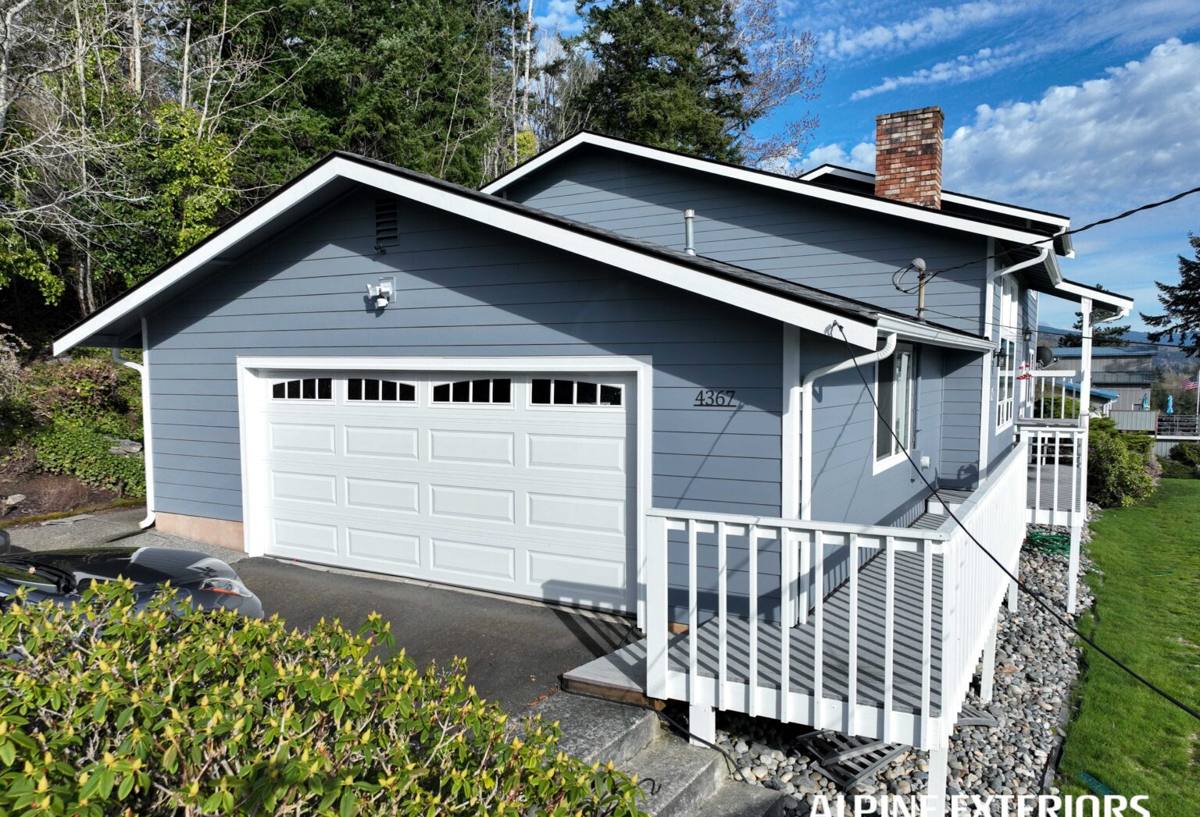
Warning Signs It's Time for Deck Repair
Most deck failures don't happen suddenly — they build up over a few seasons of small, ignored problems. Here's what we tell Oak Harbor homeowners to watch for:
- Boards that feel spongy, springy, or soft underfoot, especially near the house or along the perimeter
- Visible gaps, cracks, or splintering across the decking surface
- Rust streaks bleeding out from screws, nails, or joist hangers
- A railing or post that wobbles or flexes when you lean on it
- Green or black staining that keeps coming back within weeks of cleaning
- Standing water that doesn't drain within a few hours after rain
- Gaps or dark staining where the deck meets the house (a sign of ledger board water intrusion)
- Stairs that feel uneven, bouncy, or have visibly sagging stringers
Any one of these on its own might be minor. Two or three together, especially near the ledger board or support posts, usually means the structure needs a real inspection, not just a surface fix.
What a Proper Deck Repair Actually Involves
"Deck repair" covers a wide range of work, and a lot of quick fixes only address what's visible while leaving the actual cause untouched. A repair that's built for this climate looks at the whole system.
Structural Framing and the Ledger Board
The ledger board — where the deck attaches to the house — is the single most common source of serious deck failure nationwide, and wet Pacific Northwest winters make it worse here. Water gets behind the ledger through poor flashing or old fastener holes, and the wood rots from the inside where you can't see it. A real repair means pulling back decking near the connection, checking the flashing, and confirming the ledger and the house rim joist are both sound before anything gets reattached. Joists, beams, and posts get the same scrutiny, with particular attention to where posts meet concrete footings or piers — that contact point holds moisture and is a common rot starting line.
Decking Boards and Walking Surface
Cupped, split, or soft boards get replaced individually where possible rather than resurfacing the whole deck by default — that keeps costs down and avoids tearing into framing that's still solid. We match board spacing and fastening pattern to the rest of the deck so repairs don't stand out or create new water traps.
Railings, Guards, and Stairs
Railings take constant hand pressure and lateral stress, so loose posts or degraded baluster connections get rebuilt to current guard requirements, not just re-tightened. Stair stringers get checked for rot at ground contact points, which is often the first place a set of stairs starts to fail.
Fasteners and Hardware
This is where a lot of budget repairs cut corners, and it's the wrong place to do it near salt air. Standard hardware corrodes fast this close to the water. We use fasteners and structural connectors rated for corrosive or coastal exposure — typically stainless steel or heavy hot-dip galvanized — so the repair isn't undone by rust in a couple of winters.
Repair vs. Rebuild: How We Decide
Not every deck problem calls for a full rebuild, and not every deck is worth saving piece by piece. We walk homeowners through the honest trade-offs rather than defaulting to the bigger job.
| Factor | Leans Toward Repair | Leans Toward Rebuild |
|---|---|---|
| Framing condition | Solid joists and posts, isolated soft spots | Widespread rot in joists, beams, or ledger |
| Age of structure | Under 12-15 years, built to a reasonable standard | Older deck, unknown or undersized framing |
| Extent of damage | A handful of boards, one post, or a railing section | Damage spread across multiple structural areas |
| Code compliance | Guard height and spacing already meet current standards | Railings, stairs, or footings fall short of code |
| Cost comparison | Repair cost is a fraction of rebuild cost | Repair cost approaches 50%+ of a full rebuild |
The goal is always the most cost-effective path that leaves you with a deck that's actually safe and durable — not the most expensive recommendation we can make.
Our Deck Repair Process
- On-site inspection. We check framing, ledger attachment, posts, footings, railings, and the decking surface — not just whatever prompted the call.
- Written scope and options. You get a clear explanation of what's failing, why, and what repair or rebuild options make sense, in plain language.
- Material and hardware selection. We choose lumber, fasteners, and connectors rated for this environment, not generic hardware store stock.
- Repair work. Structural issues get fixed first, then surface and cosmetic elements, so nothing is buried under new decking before it's actually sound.
- Final walkthrough. We check the repaired areas with you before calling the job done.
Materials Worth Using in a Coastal Climate
Every decking and framing material has trade-offs, and the right call usually depends on your budget, how the deck is used, and how much upkeep you want to do.
- Pressure-treated lumber — the most common and affordable framing choice, but it needs proper sealing and periodic maintenance to hold up against constant moisture and salt exposure.
- Cedar — naturally rot-resistant and a good look for this region, though it's softer and will show wear from moss and moisture faster without regular care.
- Composite decking — higher upfront cost but very low maintenance, and it doesn't absorb moisture the way wood does, which matters when moss season runs half the year.
We'll tell you honestly which option fits your situation instead of steering everyone toward whatever's easiest for us to install. A repair project is also a reasonable time to upgrade just the decking surface to composite while keeping sound wood framing underneath, if budget allows.
Permits and Code Considerations
Structural deck repairs — especially anything touching framing, footings, or railings — can trigger permit and inspection requirements depending on the scope of work and your local jurisdiction. Guard height, baluster spacing, and stair rise-and-run all have specific code requirements that older decks sometimes don't meet. We flag anything that's out of compliance during the inspection so it gets addressed as part of the repair rather than becoming a surprise later, whether that's for your own peace of mind or for a future home sale.
Why a Crew That Already Works Oak Harbor Matters
A deck repair here isn't the same job as a deck repair somewhere dry and inland. Crews who work this area regularly already know to spec corrosion-resistant hardware by default, to check ledger flashing carefully given how much rain the region gets, and to plan work around the wetter months rather than fighting them. That local familiarity shows up in fewer callbacks and repairs that actually hold up through a full Pacific Northwest winter — not just through the dry season when problems are easy to hide.
It also means realistic scheduling. We know which weeks tend to be workable and which stretches of fall and winter rain make certain repairs (like anything involving fresh concrete or sealant cure times) worth timing carefully rather than rushing.
Get a Straight Answer on Your Deck
If your deck has soft spots, a wobbly railing, or just hasn't been looked at in a few years, it's worth getting an honest opinion before a small problem turns into a structural one. We offer free, no-pressure estimates for Oak Harbor homeowners — use the form below to get a time on the calendar.